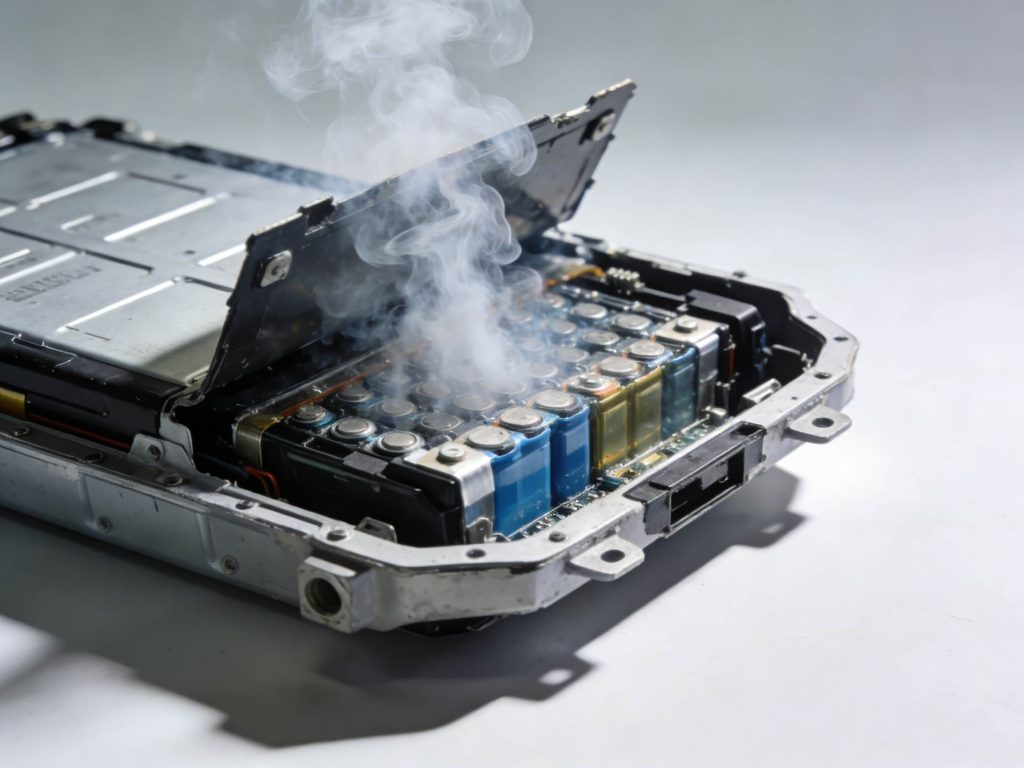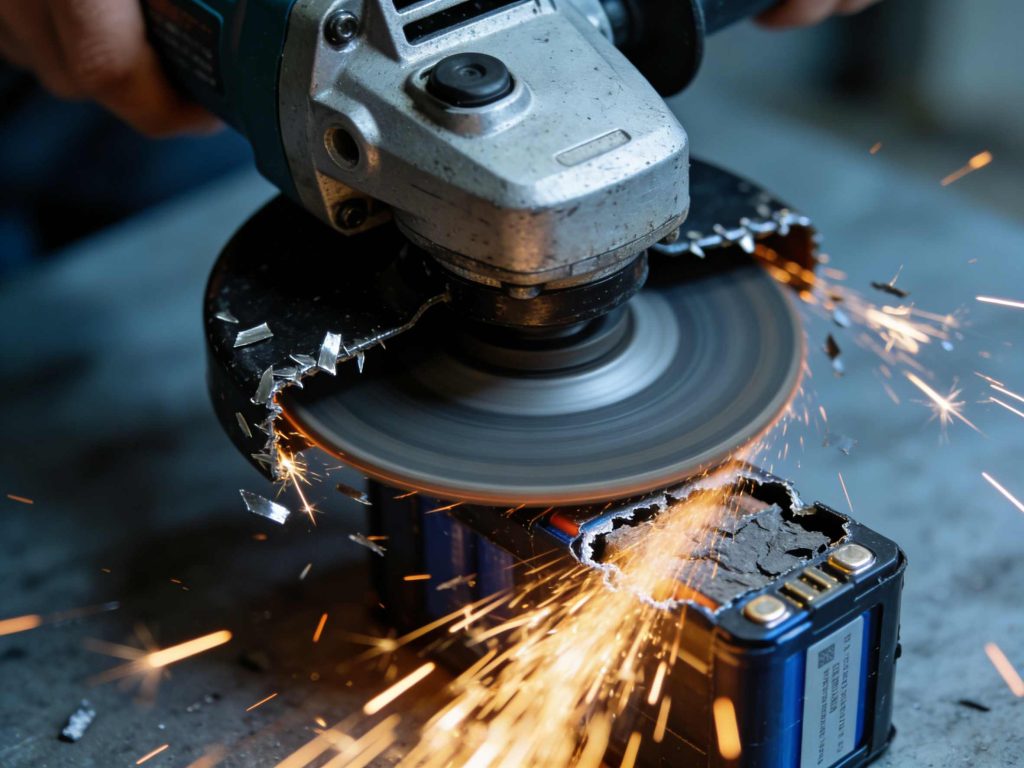


In a new energy vehicle repair and battery recycling workshop, a seemingly routine battery pack disassembly operation was thwarted by improper handling, instantly triggering thermal runaway and causing severe damage as the fire spread. Such accidents are not isolated incidents; their root cause often lies in neglecting a crucial step—deep freezing pretreatment before battery pack disassembly. With the rapid development of the new energy industry, the demand for battery pack maintenance, testing, and recycling has surged. How to build a solid safety barrier at the source has become a core challenge for the industry. As a company deeply rooted in new energy service technology solutions and professional equipment manufacturing, Guheng Energy understands that safety is the cornerstone of sustainable industrial development. This article will delve into why deep freezing is the insurmountable first line of defense for safe battery pack disassembly.
The Source of Risk: Why Disassembling Lithium Battery Packs at Room Temperature is Like “Defusing a Bomb”?
Lithium batteries, especially high-energy-density ternary lithium batteries, are complex electrochemical systems. Even when stationary, their internal structure remains active. After prolonged use, battery packs may develop hidden internal micro-short circuits, dendrite growth, or structural deformation.
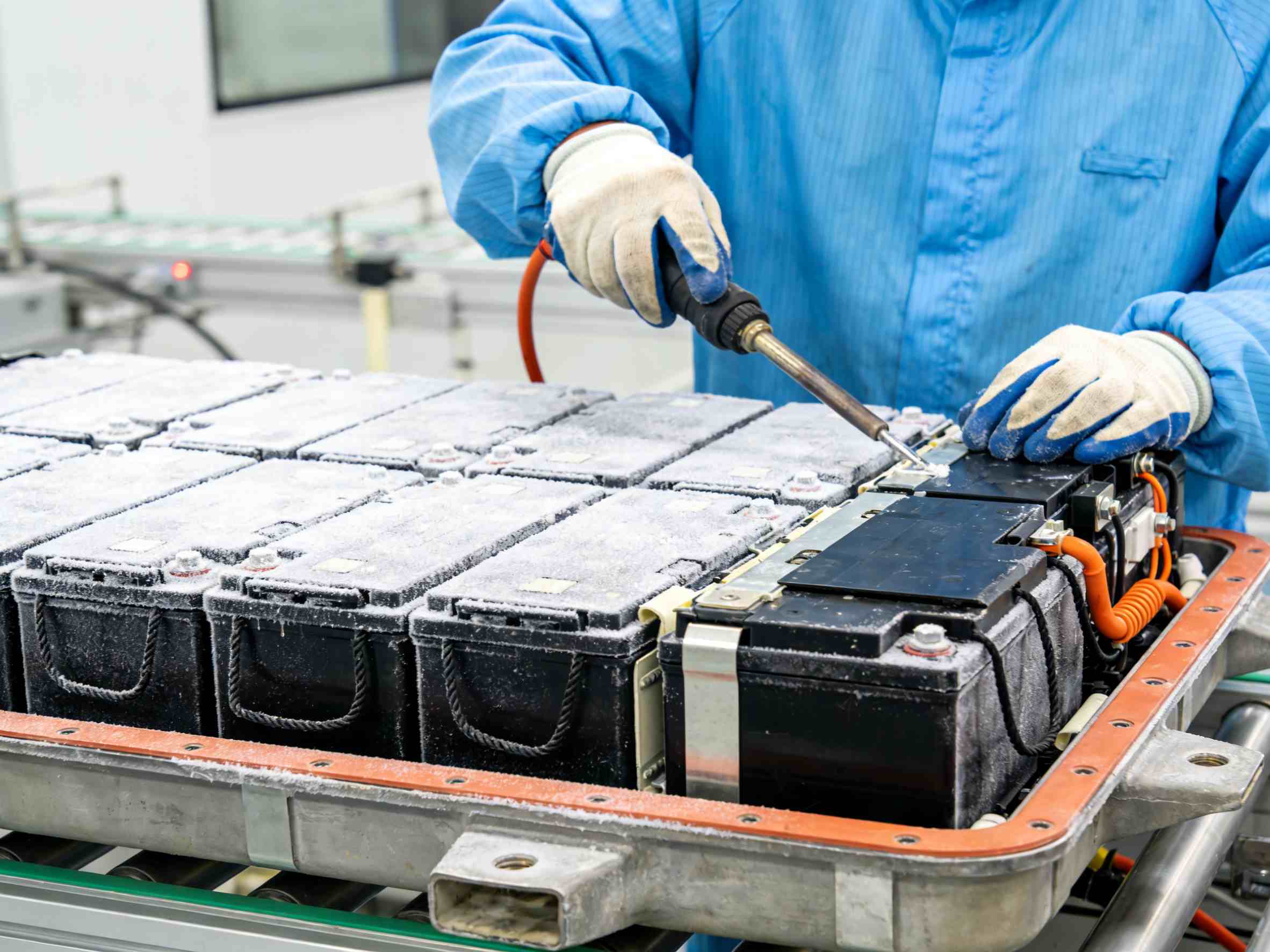
When physically disassembling at room temperature, cutting and prying operations can easily create new short circuits or drastically worsen existing problems. Sparks from metal tool collisions and conductive dust from disassembly can ignite this “chemical powder keg,” triggering a chain reaction of thermal runaway: localized short circuits generate high temperatures → causing separator melting → triggering larger-area short circuits → instantaneous energy release, ultimately leading to fire or even explosion. This not only threatens personnel safety and causes property damage, but also undermines confidence in the entire operation process.
Scientific Defense: How Does Deep Freezing Achieve “Intrinsic Safety”?
Deep freezing pretreatment, through scientific means, creates a safety window for disassembly operations from a purely physical perspective. Its core principle lies in the “low-temperature dormancy” effect.
When the temperature drops to -35°C or even lower, the viscosity of the electrolyte inside the battery increases significantly, the ionic conductivity decreases significantly, and the chemical reactivity of the electrode materials is greatly suppressed. The entire electrochemical system of the battery enters a near-inert state. At this point, even if mechanical deformation or a minor short circuit occurs during disassembly, the chemical reaction rate and heat accumulation rate are significantly slowed down by the low-temperature environment, fundamentally cutting off the rapid chain reaction path of thermal runaway.
The key to this process lies in depth and uniformity. Mere surface cooling or insufficiently low temperatures cannot ensure that the battery core is completely in a safe state. Therefore, specialized refrigeration equipment must be able to provide a stable, uniform, and sufficiently long low-temperature environment to ensure that heat is completely dissipated from the battery pack core.
Core Equipment: Why is a Professional “Battery Pack Freezer” Indispensable?
Recognizing the necessity of freezing, choosing the right equipment is crucial. Ordinary industrial cold storage or modified equipment often suffers from slow cooling rates, uneven temperatures, lack of explosion-proof design, and condensation problems, failing to meet the stringent requirements for safe battery handling.
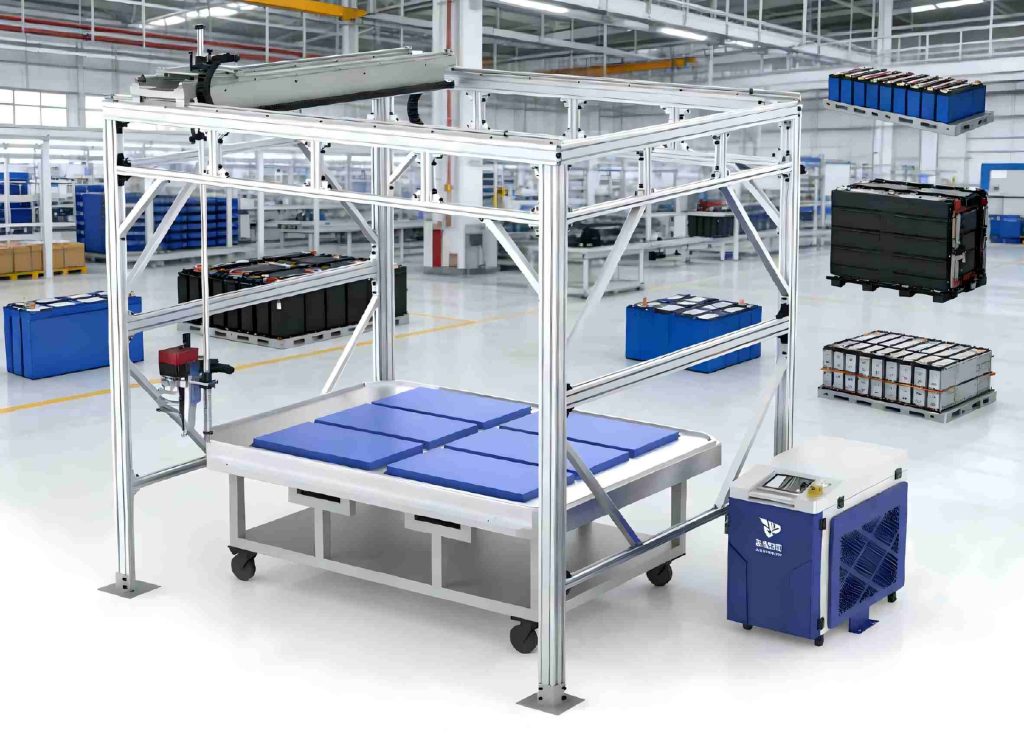
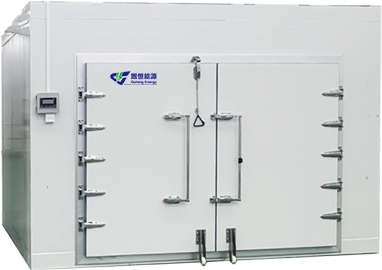
Guheng Energy’s “Battery Pack Freezer,” specifically developed for lithium battery disassembly, was created to address this specialized challenge. It’s not just a simple cold storage unit, but a comprehensive safety system:
- Deep and Precise Temperature Control: The equipment employs a highly efficient and stable refrigeration system, with a minimum operating temperature of -35℃ and the ability to precisely maintain the set temperature, ensuring that each battery pack and each cell achieves the preset deep freezing effect, eliminating safety blind spots.
- Rapid and Uniform Cooling and Ultra-Large Capacity: The equipment’s effective internal dimensions reach 2500*2000*2000mm, with a base plate bearing a weight of up to 3 tons, making it compatible with battery packs from most car models on the market. Combined with an optimized air duct design, it achieves rapid and uniform cooling, improving operational efficiency.
- Multiple Safety Designs: From ultra-high density cold storage panel insulation to internal hardware, all components are made of stainless steel, ensuring both durability and corrosion resistance. The equipment integrates dual-probe temperature monitoring, providing enhanced system stability and safety, offering double protection.
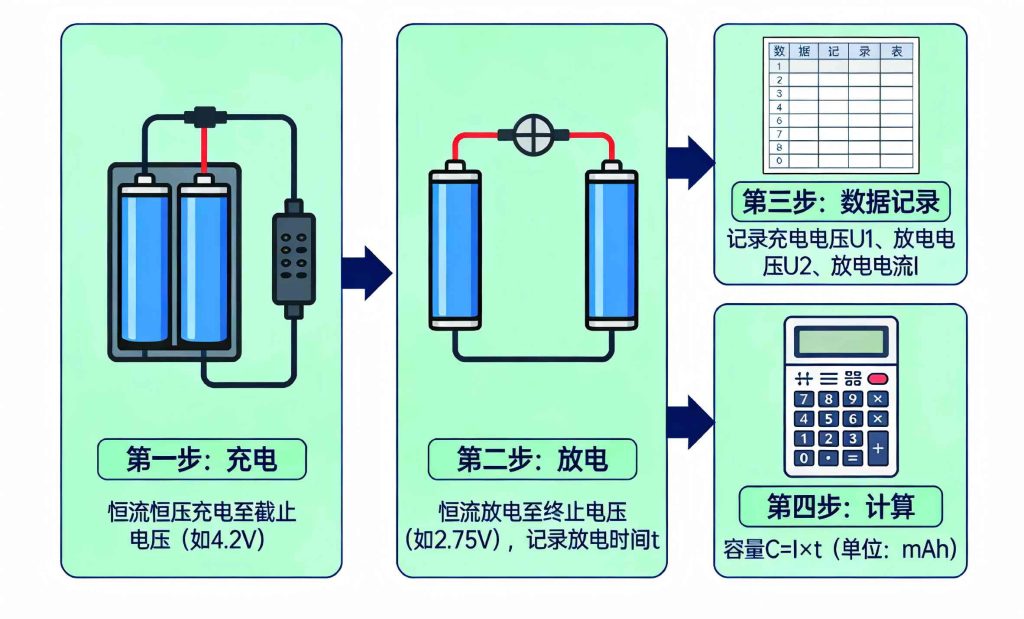
- Industrial-Grade Reliability and Intelligence: The 5KW/380V industrial power distribution design meets the demands of continuous high-intensity operation. We are committed to seamlessly integrating this into your safe dismantling workflow, forming a closed loop with subsequent testing and diagnostic processes (such as our battery maintenance testing instruments).
The value of this solution lies in transforming uncontrollable chemical risks into standardized operating procedures within a controlled physical environment, a necessary guarantee for investing in long-term safety and smooth operation.
Guheng Energy’s Recommended Safe Pre-treatment Process
Based on our industry experience, a robust pre-treatment process for battery pack dismantling should include:
- Pre-treatment preparation: Visual inspection and preliminary insulation testing of the battery pack, followed by discharge to a safe voltage range.
- Deep freezing: Transfer the battery pack to Guheng Energy’s battery pack freezer, set a target temperature of -35°C, and ensure sufficient freezing time (generally recommended to be 12-24 hours or more) based on factors such as battery pack size and SOC status.
- Safe window operation: Within the specified “safe window” while the core temperature of the battery pack is still at a low temperature, transfer it to a dedicated dismantling table for subsequent operations. Insulated tools must still be used during this period, and standardized operations must be followed.
Conclusion
In the era of new energy, every retired or repairable battery pack must be treated with utmost respect for energy and safety. Deep freezing pretreatment is not an optional step; it’s a technological wisdom that uses scientific principles to temporarily “calm” the raging chemical energy, creating a safe environment for human operation. It represents a rigorous attitude: safety must be built on a verifiable and controllable technological foundation.
As Guheng Energy, we not only provide professional equipment like battery pack freezing chambers, but also are committed to providing complete technical solutions covering safe disassembly, precise testing, and efficient maintenance. We believe that by promoting and strictly implementing such scientific safety procedures, we can help our partners eliminate major hidden dangers at the source, ensure the safety of personnel and assets, and thus steadily expand into the blue ocean of the battery aftermarket.
Protecting safety is protecting the future of the industry. Guheng Energy, with its solid technology and equipment, is willing to become your trusted partner, jointly promoting the new energy industry toward a safer, more standardized, and more sustainable direction.
FAQ
Q: Is freezing necessary for all battery pack disassembly?
A: For ternary lithium battery packs with potential safety hazards (such as accident vehicles or unknown conditions) or high energy density, deep freezing pretreatment is a mandatory safety step. For lithium iron phosphate battery packs that have been confirmed to be fully discharged and in good condition, the process can be simplified after rigorous evaluation, but freezing is always the safest option.
Q: Will freezing damage the battery pack?
A: Deep freezing, performed under precise temperature control with professional equipment, aims to suppress chemical activity. The temperature range is within the tolerance range of the battery materials and will not damage the battery structure. On the contrary, it effectively prevents catastrophic damage that may occur during disassembly.
Q: Can I use a regular cold storage?
A: Strongly not recommended. Regular cold storage cannot achieve rapid and uniform deep low temperatures, easily leading to condensation and short circuits. Furthermore, it lacks explosion-proof safety designs, potentially introducing new risks or even exacerbating the danger. Battery pack freezing is a specialized field and must be performed using specialized equipment.