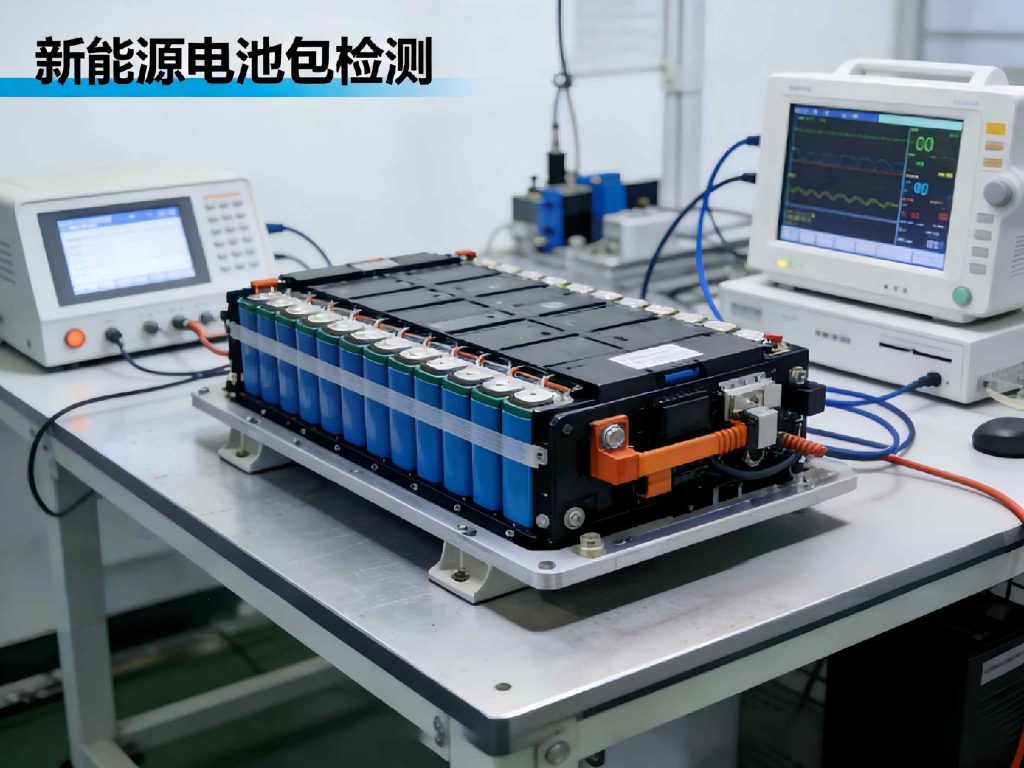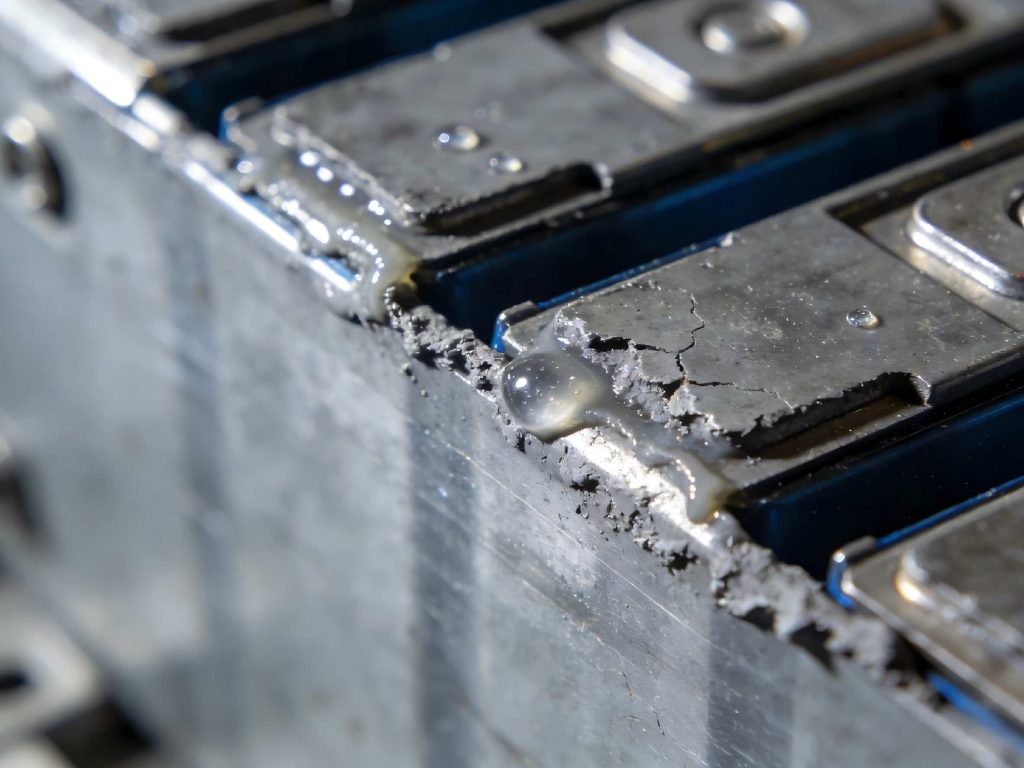

In the field of new energy battery maintenance, explosion-proof valves are core components for battery pack safety protection. Their performance stability is directly related to equipment safety and personnel safety, and professional and standardized testing is a key prerequisite for ensuring the normal operation of explosion-proof valves.
As a professional manufacturer specializing in new energy service technology solutions and battery maintenance and testing instruments, Guheng Energy has been deeply involved in the industry for more than a decade. It is well known that in the process of testing explosion-proof valves, many companies fall into the dilemma of safety hazards and inaccurate testing due to the use of general tools.
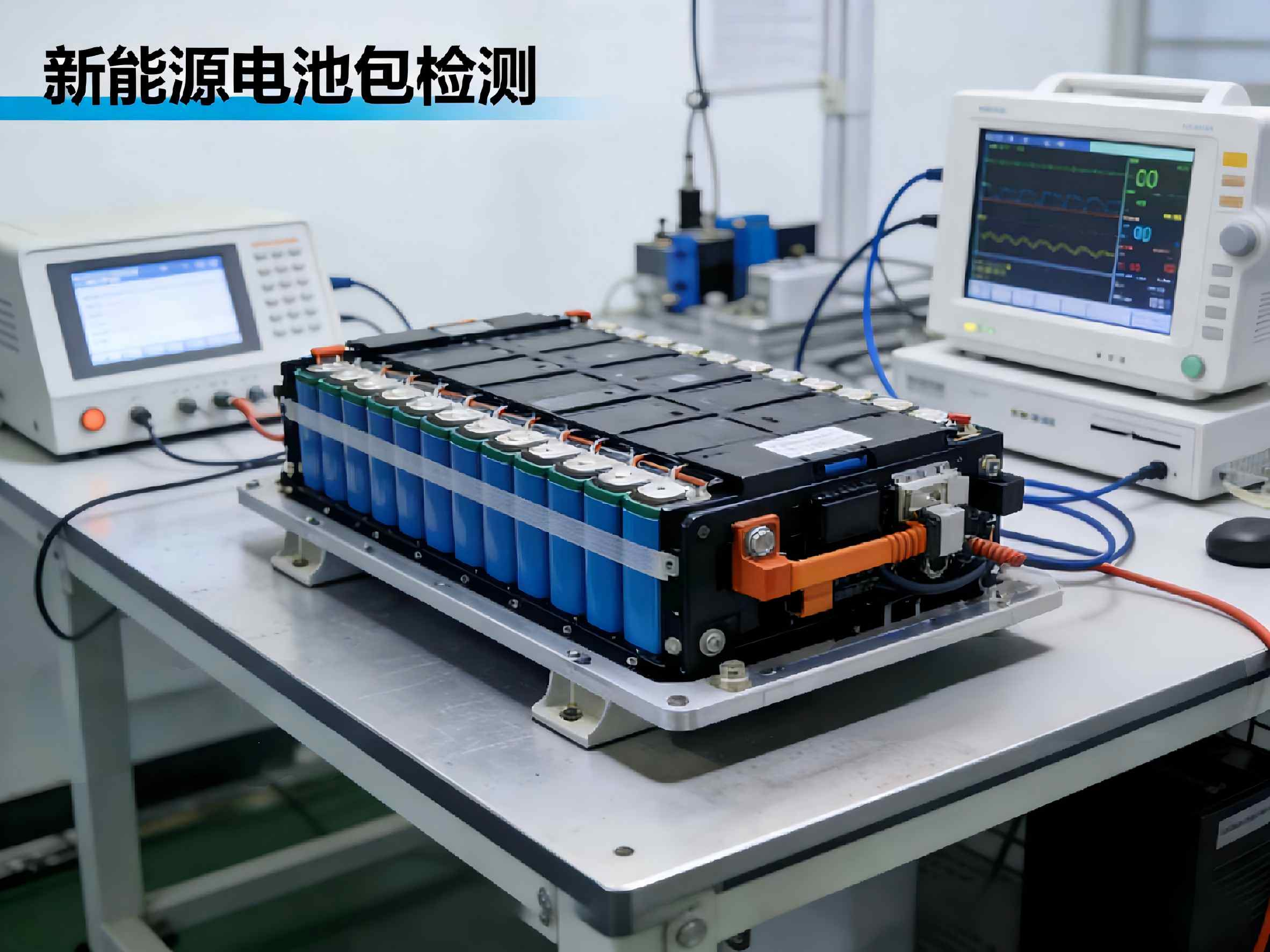
Explosion-proof valve testing: a core requirement for professional maintenance
The necessity of standardization in explosion-proof valve testing
The core function of explosion-proof valves is to release pressure in a timely manner when the internal pressure of the battery pack is abnormal, preventing safety accidents such as explosions and fires. The testing process must adhere to strict standardized specifications. Both the precise control of the testing pressure and the sealing performance of the interfaces directly affect the reliability of the test results. Standardized testing is fundamental to mitigating safety risks and ensuring the long-term stable operation of the battery pack, and it is also an inevitable requirement for the compliant development of the new energy industry.
Core Judgment Indicators of Professional Testing
The core indicators for professional testing of explosion-proof valves include airtightness and pressure resistance. Accurate test data is crucial for determining whether the valve meets usage standards. This necessitates testing tools with stable structures, standardized interfaces, and precise pressure control capabilities—requirements that general-purpose tools often cannot fulfill.
Three core risks of using general-purpose tools to test explosion-proof valves
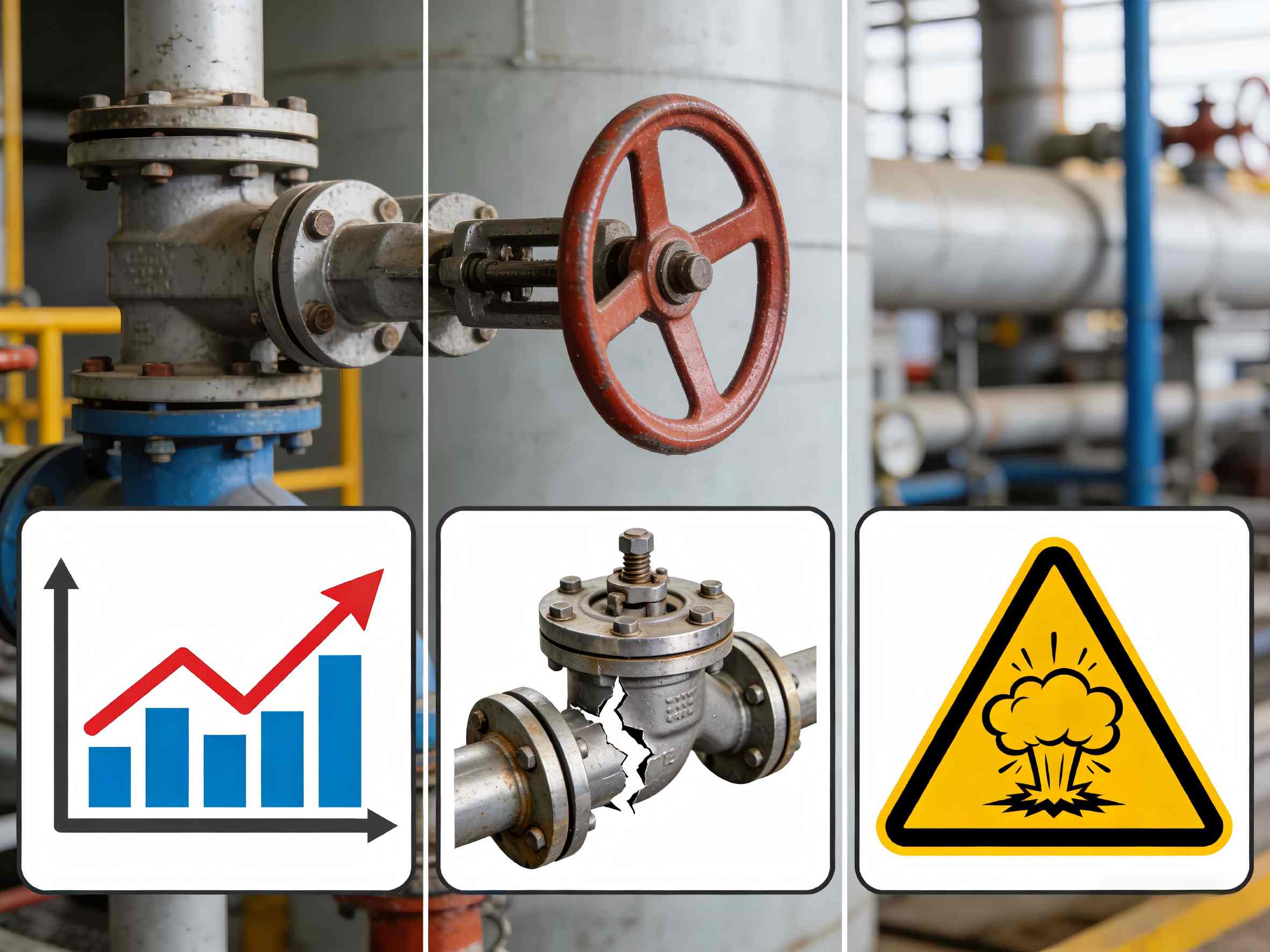
Risk 1: Deviation in test data, leading to misjudgment of valve performance
The lack of standardized design in general-purpose tools, coupled with incompatible interfaces and insufficient pressure control precision, can easily lead to deviations in test data. For example, a poor seal between a general-purpose air pipe connector and an explosion-proof valve can cause air leakage, preventing the test pressure from reaching the standard value. This can result in a misjudgment of the explosion-proof valve’s airtightness, creating a safety hazard and contributing significantly to numerous battery maintenance accidents.
Risk 2: Damage to explosion-proof valves, shortening equipment lifespan
The structural design of general-purpose tools is not tailored to the specific needs of explosion-proof valve testing. Some tools are made of hard materials and have mismatched interface sizes. During docking and inflation, they can easily scratch the sealing surface of the explosion-proof valve and damage the valve structure, causing the explosion-proof valve to fail prematurely. This not only increases the cost of equipment replacement but may also lead to safety accidents due to valve damage.
Risk 3: Improper operation may lead to safety hazards
General-purpose tools lack specific safety features. During inflation testing, if pressure becomes uncontrolled, it may lead to the accidental opening of the explosion-proof valve, gas leakage, or even an explosion. In batch testing scenarios, improper operation of general-purpose tools can significantly increase the probability of safety accidents.
Guheng Energy’s professional solution: Achieving standardized testing for explosion-proof valves
4K50 tooling metal casing: Building a solid safety barrier for testing
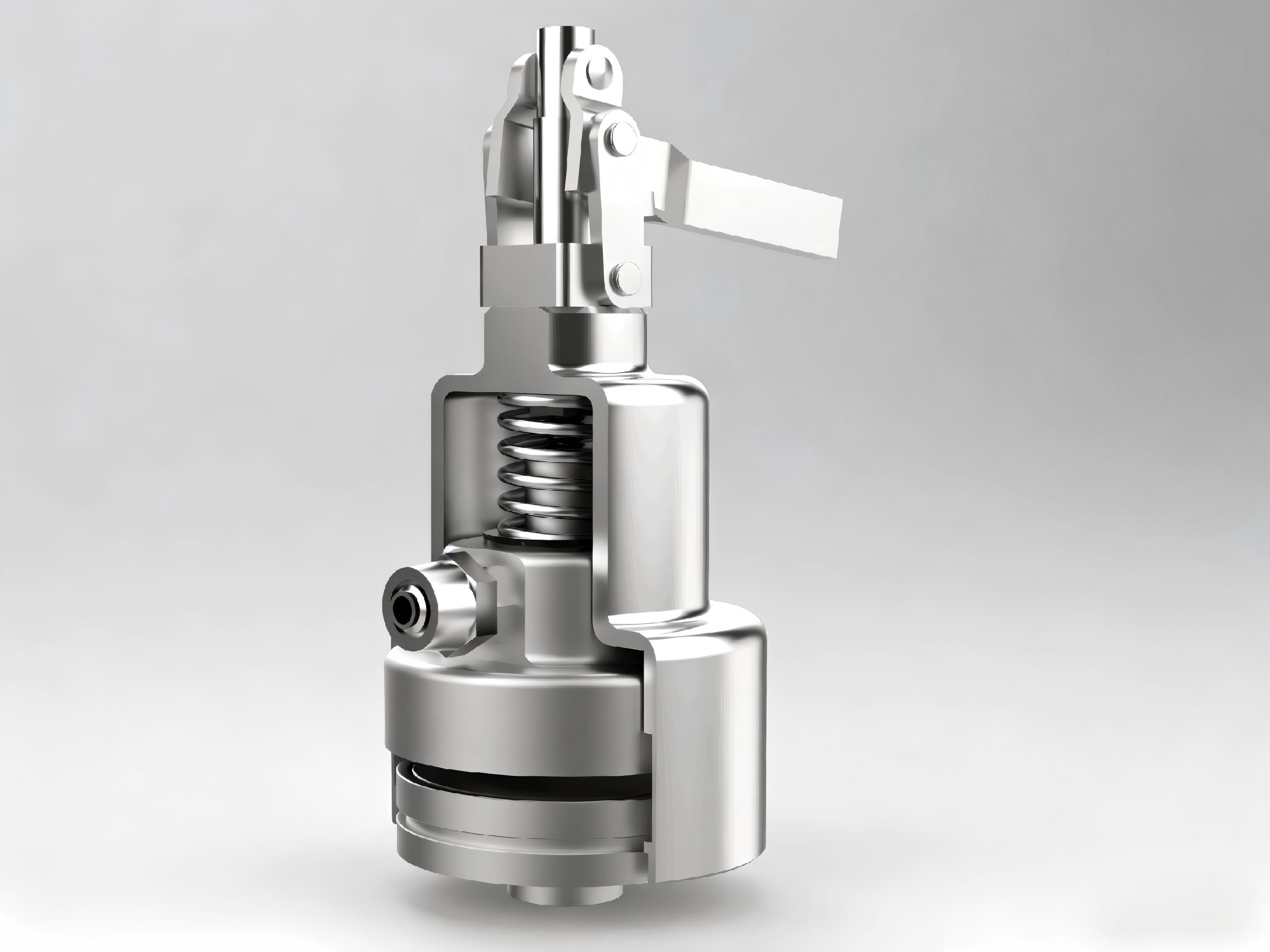
To address the safety hazards of general-purpose tools, our company, Guheng Energy, has developed the 4K50 explosion-proof valve inflatable tooling. Featuring a metal shell design, it combines plugging and inflation functions, ensuring structural stability while effectively protecting against pressure runaway risks during testing. Measuring 185×68×62 mm (length×width×height), this compact fixture is easy to operate and suitable for batch testing scenarios. Its robust and durable metal shell effectively prevents scratch damage to the explosion-proof valve during operation, strengthening the safety barrier in the testing process.
Φ8 endotracheal connector: Standardized interface ensures accurate testing
The core of accurate testing lies in the sealing and standardization of the interfaces. The 4K50 explosion-proof valve inflatable tooling comes standard with a Φ8 air pipe connector, which adopts a standardized design and can perfectly match the explosion-proof valve interface, ensuring a tight seal and no air leakage during inflation, effectively avoiding deviations in test data caused by loose interfaces. This fixture is specifically designed for the PBA4K-50D explosion-proof valve inflatable tooling, allowing for precise control of the test pressure and ensuring the accuracy and reliability of airtightness test data, fully meeting the standardized requirements for professional explosion-proof valve testing.
Key Selection Criteria for Professional Explosion-Proof Valve Testing Tools
When selecting explosion-proof valve testing tools, the core considerations are standardization, professionalism, and safety. Priority should be given to specialized tools with standardized interfaces, stable structural designs, and precise pressure control to avoid the various risks associated with using general-purpose tools. As a national high-tech enterprise, Guheng Energy’s 4K50 explosion-proof valve inflatable tooling has been widely used by major battery manufacturers and maintenance organizations after years of industry verification, gaining widespread industry recognition for its professional design and reliable performance.
Conclusion
Standardization and professionalization of explosion-proof valve testing are the bottom line for safe maintenance of new energy batteries and a key to compliant operation and risk avoidance for enterprises. While general-purpose tools may seem convenient and low-cost, they actually harbor multiple hidden dangers such as inaccurate data, equipment damage, and safety accidents, ultimately resulting in more harm than good. Guheng Energy has always been deeply involved in the field of explosion-proof valve testing from a professional perspective. Through the standardized design and precise performance of its 4K50 explosion-proof valve inflatable tooling, it provides the industry with safe, efficient, and accurate testing solutions, helping enterprises reduce maintenance risks and improve testing efficiency.
Choosing professional testing tools means choosing safety and reliability. Guheng Energy is willing to work hand in hand with industry partners to build a safety barrier for new energy. If you are facing challenges in testing explosion-proof valves and need professional testing instruments and solutions, please contact Guheng Energy for dedicated technical support and product consultation!
FAQ
Q: Why can’t general-purpose tools be used to test explosion-proof valves?
A: General-purpose tools lack standardized design and cannot meet the precise requirements of explosion-proof valve testing, which can easily lead to inaccurate test data, valve damage, and safety risks due to poor sealing and pressure runaway. They do not meet the relevant standards for explosion-proof testing and cannot guarantee the reliability and safety of the test.
Q: What standardized requirements must be met for professional explosion-proof valve testing?
A: It must comply with relevant explosion-proof testing standards, have standardized interfaces and stable tooling structures to ensure accurate testing pressure and reliable sealing, accurately determine the sealing performance, pressure resistance and other core indicators of the explosion-proof valve, and ensure that the testing process is safe and controllable .
Q: What safety risks may arise from inaccurate test data for explosion-proof valves?
A: Inaccurate data can lead to misjudgments of explosion-proof valve performance, failure to detect problems such as sealing failure and abnormal pressure in a timely manner, which may cause valve leakage, equipment overpressure, and in extreme cases, may induce safety accidents such as explosions, threatening the safety of personnel and equipment and causing huge losses to enterprises.
Q: What is the role of the Φ8 duct connector in the testing of explosion-proof valves?
A: The Φ8 air pipe connector is a standardized interface that enables a tight connection between the air pipe and the testing fixture, ensuring stable inflation pressure without leakage, avoiding deviations in test data due to loose interfaces, and guaranteeing the standardization and accuracy of the explosion-proof valve testing process.