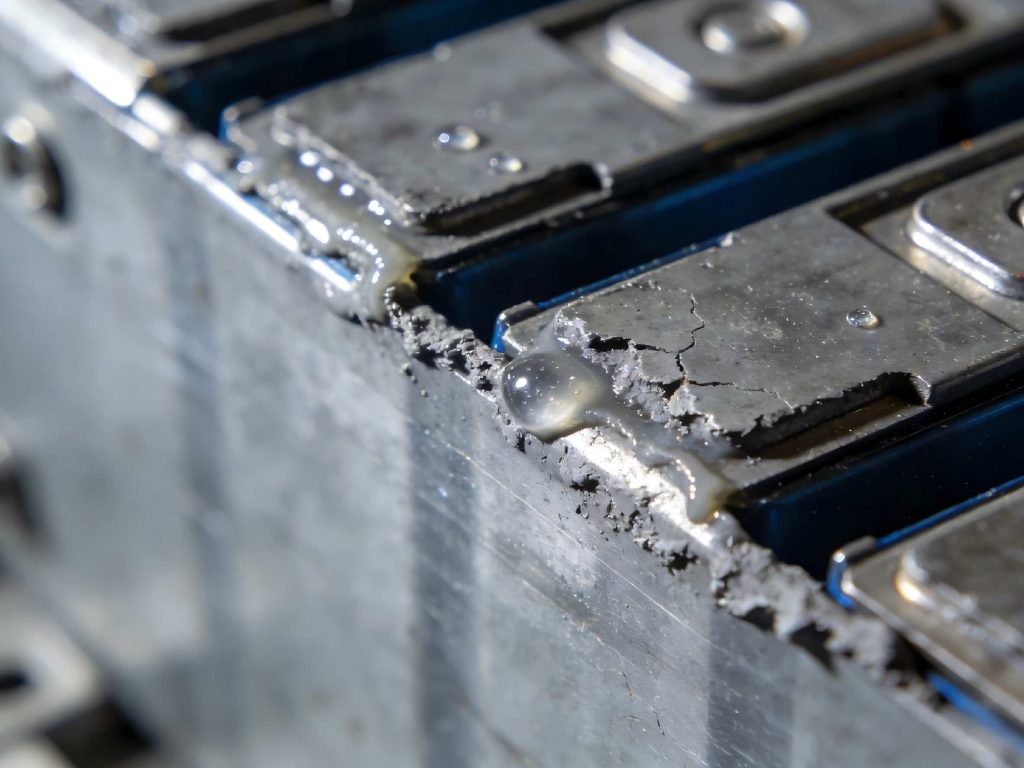

In the complex architecture of new energy battery systems, a seemingly insignificant wiring harness is often the key to determining the quality of data interaction and the reliability of the system. From battery production and testing to long-term operation and maintenance, low-voltage communication wiring harnesses serve as the “neural network” function for signal transmission.
As a new energy service technology solution expert, Guheng Energy knows that only by incorporating the full life cycle management of wiring harnesses into the overall solution can a true leap from fault prevention to performance optimization be achieved.

The “invisible bridge” throughout the battery’s entire life cycle: low-voltage communication harness
The core function of low-voltage communication harness
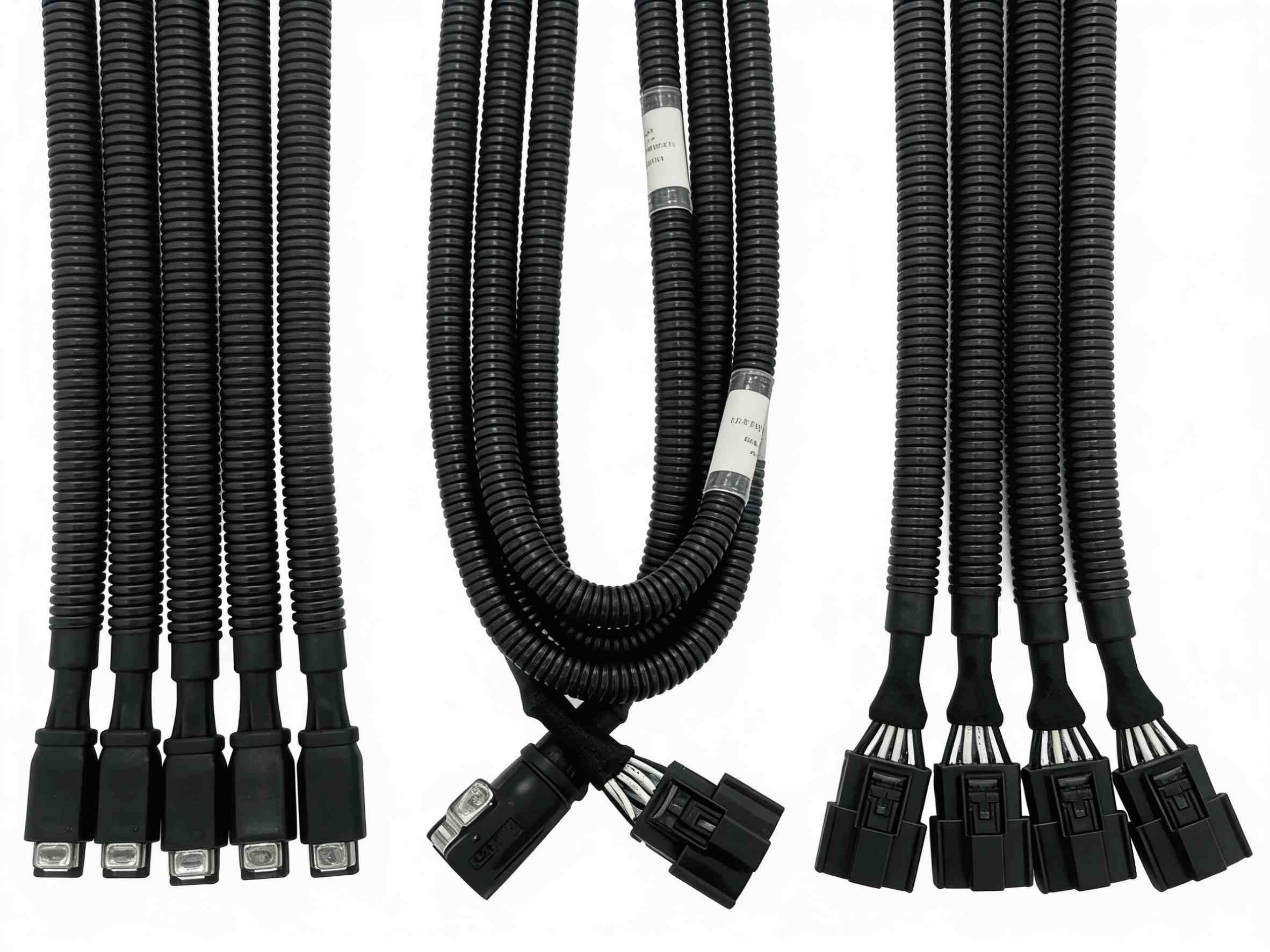
Low-voltage communication harnesses are primarily used for data exchange between the Battery Management System (BMS) and external devices, including the transmission of critical signals such as voltage, temperature, and current. In Guheng Energy’s product system, low-voltage communication harnesses utilize Teflon-coated shielded wire, offering excellent high-voltage resistance, corrosion resistance, and interference resistance. External protection with corrugated tubing ensures stable signal transmission under complex operating conditions.
Why it is indispensable throughout its entire life cycle
From battery pack production and assembly, end-of-line (EOL) testing, to regular maintenance and fault diagnosis during service life, and then to secondary use and scrap assessment, low-voltage communication harnesses are always the core channel for data acquisition and control command transmission. If the harness experiences problems such as poor contact, insulation aging, or signal attenuation, it will directly lead to data distortion, resulting in “fault silence.”
From production to testing: The crucial role of low-voltage communication harnesses in battery manufacturing
Precise data transmission during production testing
In the battery pack manufacturing process, EOL (End-of-Life) testing requires comprehensive verification of the battery pack’s insulation resistance, withstand voltage performance, and BMS (Battery Management System) communication. Guheng Energy’s low-voltage communication harness, through customized connectors, interfaces with the testing equipment to ensure millisecond-level precise interaction between test commands and response data, providing a reliable guarantee for the quality of batteries leaving the factory.
Preventing “Silent Faults”: The Value of Low-Voltage Communication Harnesses in Operation and Maintenance
The phenomenon of “silent failure” and its hazards
“Silent faults” refer to situations where the battery system, due to abnormal data acquisition (such as poor wiring harness contact or shielding failure), fails to accurately detect cell abnormalities, thus missing early warning opportunities. These types of problems are often highly concealed, difficult to troubleshoot, and can easily escalate into serious faults such as overheating or overcharging.
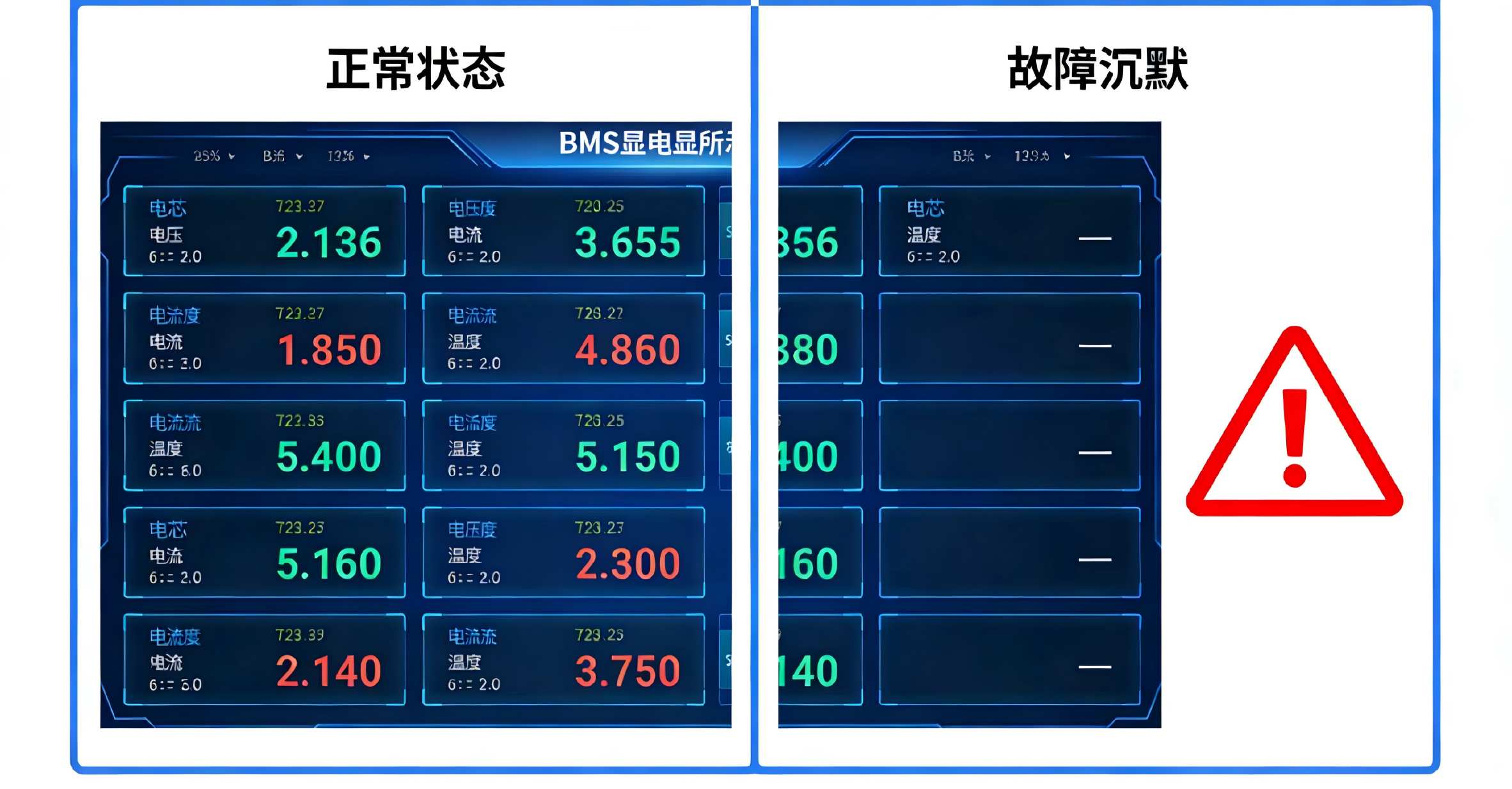
How to achieve early warning through wire harness condition monitoring
During maintenance, Guheng Energy’s battery pack equalization maintenance equipment is equipped with dedicated low-voltage communication harnesses, enabling rapid testing of the harness’s conductivity and insulation resistance. Through regular testing and maintenance, maintenance personnel can replace or repair the harness in its early stages of performance degradation, effectively breaking the “silent fault” chain and transforming passive repair into proactive prevention.
Battery life assessment: The role of low-voltage communication harnesses in supporting battery health
Data quality determines the accuracy of the assessment
Battery life assessment relies on long-term, continuous, and accurate historical operating data. If the low-voltage communication harness experiences signal attenuation or intermittent interruptions, the assessment model will draw biased conclusions due to data distortion. Guheng Energy’s low-voltage communication harnesses, with their combination of Teflon insulation and shielding structure, maintain signal integrity even under harsh conditions such as wide temperature ranges and strong vibrations, providing a high-quality data foundation for life assessment.
Unlocking lifespan potential through inspection and maintenance
In the battery aftermarket service sector, Guheng Energy provides a complete solution, from the Battery Pack Service Terminal Final Inspection Instrument (EOS-TEST) to the airtightness leak tester. All equipment is equipped with self-developed high-reliability wiring harnesses. Through standardized testing and maintenance processes, combined with the data accuracy guaranteed by high-quality wiring harnesses, users can accurately identify key life indicators such as differences in cell consistency and changes in internal resistance, thereby optimizing charging and discharging strategies and extending the actual lifespan of the battery pack.
Conclusion
Although small, low-voltage communication harnesses play an irreplaceable role in the entire battery lifecycle management. They are not only the channel for signal transmission, but also the “outpost” for fault prevention and the “cornerstone” for performance optimization. Guheng Energy consistently integrates the value of harnesses into every testing device and maintenance solution through professional R&D and rigorous quality control, helping customers build a safer, more efficient, and longer-lasting battery management system.
If you are struggling with communication reliability during battery testing or maintenance, please visit the Guheng Energy website or contact us for customized wiring harness and system solutions.
FAQ
Q: What impact will a failure in the low-voltage communication harness have on the battery system?
A: A faulty low-voltage communication harness may cause the BMS to be unable to accurately collect key data such as cell voltage and temperature, resulting in “fault silence”. This makes it impossible to provide timely warnings of risks such as overcharging, over-discharging, or thermal runaway of the battery, which may cause damage to the battery pack or even a safety accident in severe cases.
Q: How do I determine if a low-voltage communication harness needs to be replaced?
A: This can be determined through continuity testing, insulation resistance testing, and shielding performance testing. If poor continuity, decreased insulation resistance, intermittent signal transmission interruptions, or obvious oxidation or loosening of the connectors are observed, timely replacement is recommended. Guheng Energy’s maintenance equipment supports rapid diagnosis of the wiring harness condition.
Q: What are the key points to check when inspecting low-voltage communication harnesses during battery maintenance?
A: The key points of inspection include: whether the connector plug is loose or oxidized; whether the outer insulation layer of the cable is damaged or aged; whether the shielding layer is intact; and whether there are bit errors or interruptions in actual communication. It is recommended to conduct periodic verification using dedicated testing equipment.
Q: What is the relationship between low-voltage communication harnesses and battery life assessment?
A: Battery life assessment relies on a large amount of historical operating data. If the wiring harness signal transmission is distorted, it will lead to errors in the assessment model input, causing the life prediction to deviate from reality. A stable and reliable wiring harness is the foundation for ensuring assessment accuracy and guiding scientific life extension.
Q: What products or services does Guheng Energy provide in the field of low-voltage communication harnesses?
A: Guheng Energy provides integrated R&D, processing, and sales of wire harness services, including low-voltage communication wire harnesses, equalization wire harnesses, and module power wire harnesses, compatible with the company’s full range of testing and maintenance equipment. We support customized wire harness lengths and connector models according to customer needs and provide one-stop support from equipment matching to after-sales maintenance.