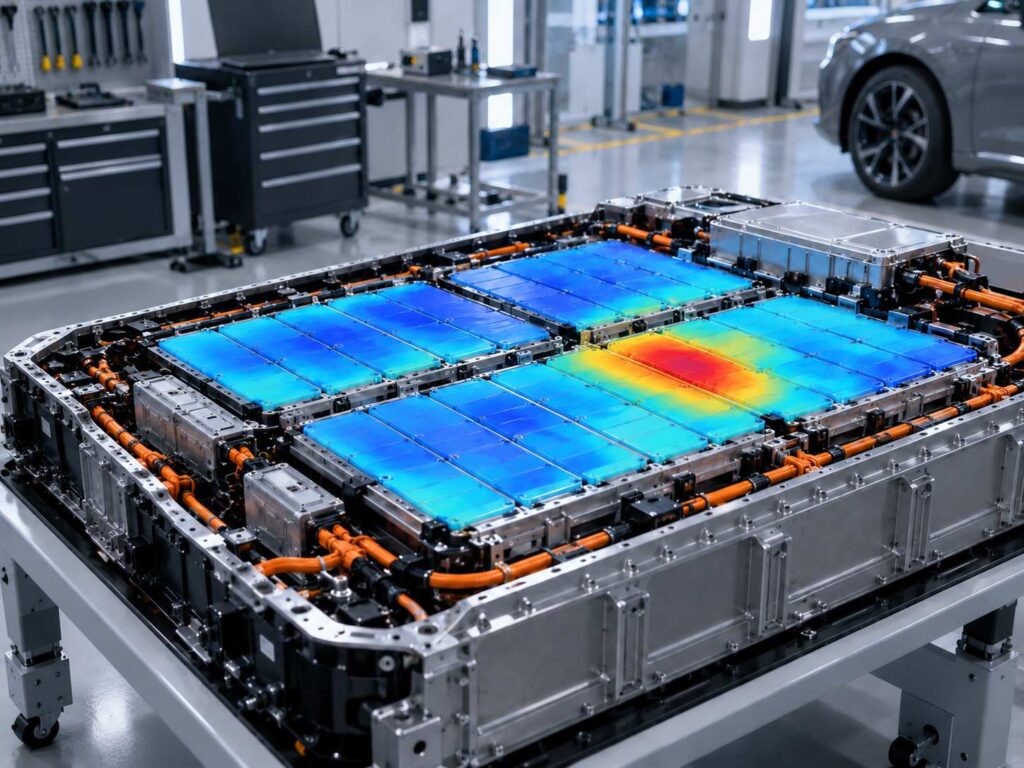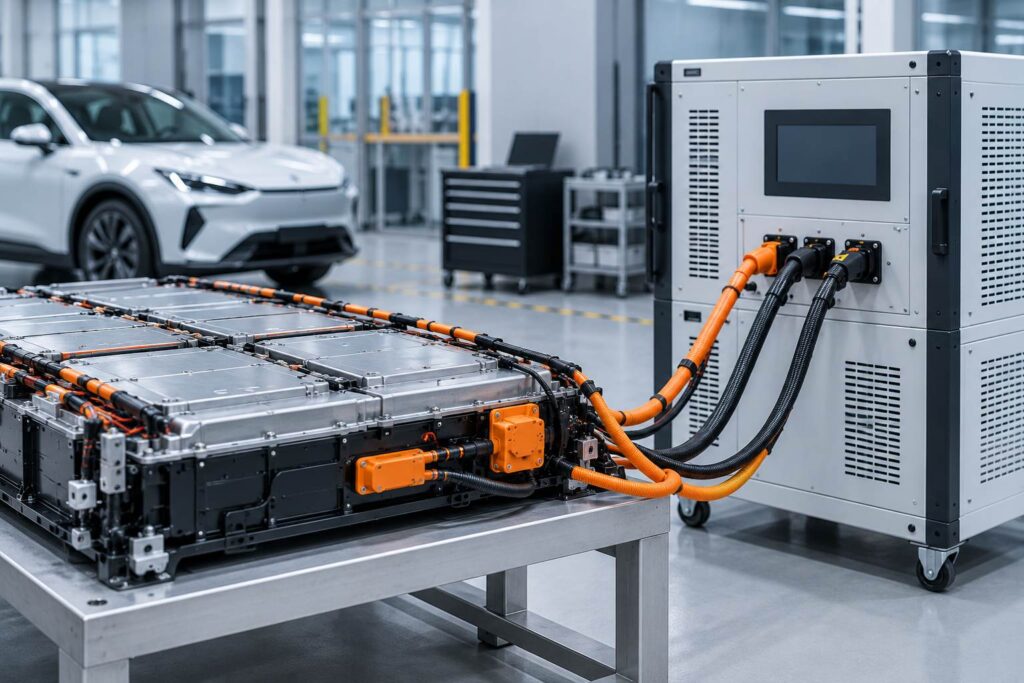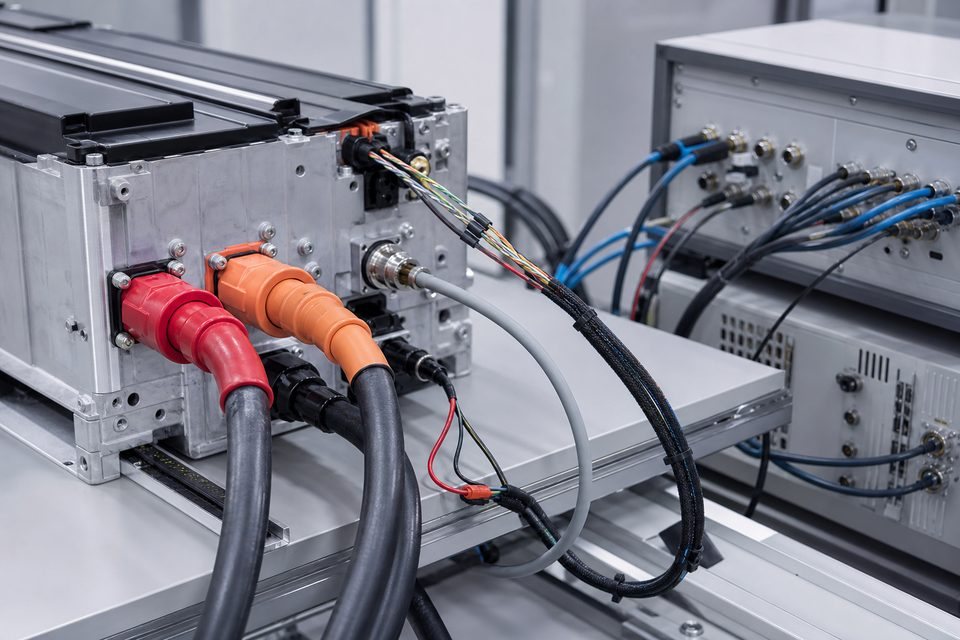

In the actual operation of energy storage systems, battery balancing is crucial to determining the overall performance and profitability of the system. Failure of battery balancing not only leads to capacity loss but also directly threatens system safety.
The Pain of Imbalance: The Hidden Killer of Energy Storage Systems
For large-scale energy storage power stations, battery packs consist of hundreds or even thousands of individual cells connected in series and parallel. Due to differences in manufacturing processes, operating temperatures, and aging rates, battery balancing issues are unavoidable. However, the consequences are alarming.
“Barrel Effect” and Loss of Profit
Energy storage systems follow the “weakest link” principle, meaning the total system capacity is limited by the worst-performing battery cell. As illustrated by the case of a 350 MWh energy storage power station in Europe, inconsistent cell performance and the lack of timely intervention from the BMS (Battery Management System) resulted in a significant reduction in effective capacity. The cell with the highest state of charge (SOC) reached 100%, while the lowest was only 75%, leaving nearly 11% of capacity as “stranded” electricity, directly causing a break-even cost risk of up to €110,000 per week. This huge revenue gap cannot be filled by passive management from the BMS alone.
Increased risk of thermal runaway
Poor battery balancing can also lead to prolonged overcharging or over-discharging of individual cells, causing increased internal resistance and localized overheating. In high-voltage energy storage containers, this hazard can easily escalate into thermal runaway, resulting in serious safety accidents. Therefore, regular battery balancing tests and maintenance are the bottom line for ensuring the safety of energy storage assets.
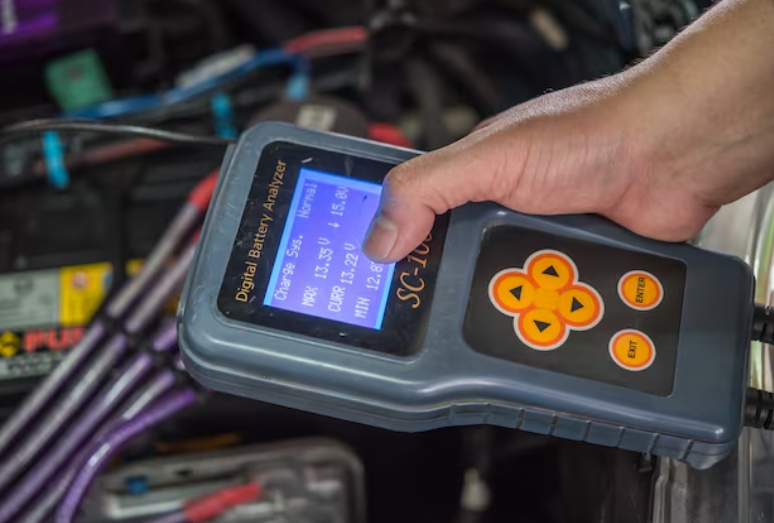
The key to breaking the deadlock: professional battery maintenance solutions
To address these pain points, passive management relying solely on the built-in BMS of the energy storage system is far from sufficient. We need high-precision external maintenance equipment for proactive intervention. Guheng Energy , a solution provider deeply rooted in the new energy aftermarket, is committed to providing professional battery pack maintenance and testing instruments through CTP high-integration technology and high-precision detection algorithms, fundamentally solving the battery balancing problem.
High-efficiency balancing and detection technology
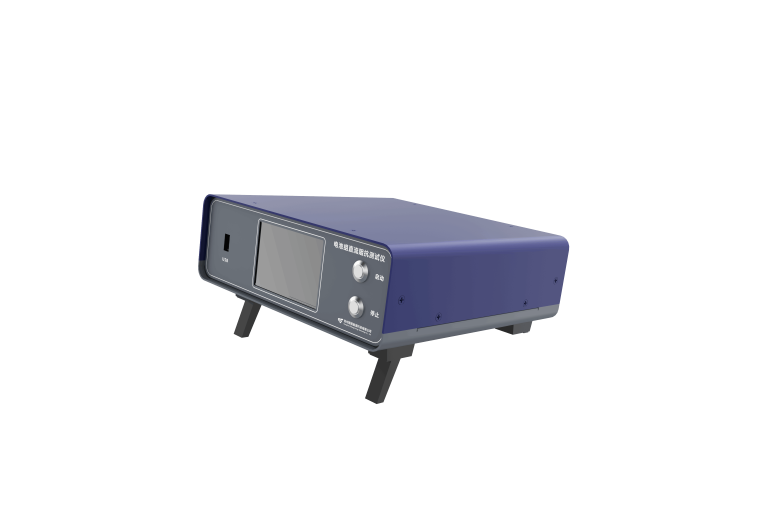
The core of our solution lies in “proactive maintenance.” Taking the RDT series of battery pack DC impedance testers as an example, this equipment can not only accurately capture the voltage differences between battery cells, but also accurately determine the state of health (SOH) of the battery cells by testing the DC internal resistance (DCIR). Only based on accurate data from battery health testing does balancing operation have practical significance.
Battery equalization testing is not simply charging and discharging, but rather a targeted energy transfer process. Our PBM series equalization maintenance device employs an active equalization strategy, which significantly improves energy transfer efficiency compared to traditional passive equalization (which consumes energy through resistance). It can quickly transfer energy from high-voltage cells to low-voltage cells, rapidly leveling the voltage difference across the entire cluster.
Practical Cases and Product Introduction
In real-world operation and maintenance scenarios, Guheng Energy’s equipment has helped numerous brands solve challenging problems.
Application scenario: Industrial and commercial energy storage cabinets that have been in operation for 2 years
Two years after a commercial and industrial energy storage project began operation, on-site maintenance personnel discovered that the system’s usable capacity had decreased more than expected, and “not fully charged” alarms were frequently occurring towards the end of the charging process. Battery health testing revealed that multiple cells within the cluster had voltage differences exceeding 80mV.
Solution: The maintenance team used the BWT series battery voltage acquisition equipment for rapid inspection and precise location of abnormal cells. Subsequently, our PBM-PW-B-6405 (64-channel equalization maintenance equipment) was used for batch equalization processing. This equipment features a large number of channels and high throughput, capable of processing multiple cells at a time.
Results: After 24 hours of maintenance, the overall cluster voltage difference was reduced from 80mV to less than 5mV, and the system’s discharge capacity was restored to more than 95% of the initial value, effectively delaying the capacity decay of the energy storage system.

Highlighting detectability and CTP technology
Guheng Energy’s equipment testing capabilities benefit from our deep expertise in algorithms. For example, the RDT series of battery pack DC impedance testers boasts industry-leading current loading accuracy and voltage sampling resolution, enabling precise capture of microvolt-level changes.
Meanwhile, given the current mainstream CTP (Cell to Pack) module-less technology, the internal structure of the battery pack is extremely compact, resulting in a small maintenance window. Therefore, our BWT series acquisition modules are designed to be thin and lightweight with simple wiring, allowing all sampling points to be connected in series without disassembling the complex structure, perfectly meeting the maintenance needs of highly integrated battery packs under CTP technology.
Why choose us as your supplier?
Choosing Solid Energy means choosing stability and data security. Our instruments are not just tools, but intelligent diagnostic systems.
Data closed loop: All battery balancing test data can be uploaded to a cloud analysis platform to help brands build a database of the entire battery life cycle.
Cost reduction and efficiency improvement: Through regular battery health testing and precise balancing, the effective lifespan of energy storage batteries can be extended by 20%-30%, significantly reducing the total lifespan cost.
As the energy storage industry shifts from “extensive construction” to “refined operation,” proactive battery balancing maintenance is a necessary investment to ensure asset returns.
If your team is facing challenges such as cell aging screening, system capacity recovery, or CTP battery pack maintenance, please contact us for professional, customized solutions.
FAQ
Q: How often should an energy storage system undergo a professional battery balancing test?
A: It is recommended to test the battery every 6 months during the first year after commissioning, and then every 3 months or after 2000 deep cycles, depending on the battery health.
Q: Is Guheng Energy’s equipment compatible with mainstream CTP battery packs?
A: Yes. Our BWT series battery voltage acquisition system features a compact design and a wiring scheme optimized for highly integrated CTP structures, allowing connection without disrupting the existing PACK structure.
Q: Which is more effective in actual maintenance: active balancing or passive balancing?
A: For large-scale energy storage, active balancing is recommended. Our PBM series active balancing equipment has an energy conversion efficiency of over 90%, which is more energy-efficient and has a significant cooling effect compared to the heat-consuming resistance of passive balancing.
Q: What hidden faults in batteries can the RDT series testers detect?
A: It can accurately measure the DC internal resistance (DCIR) and AC internal resistance (ACIR) of a battery. Through battery health detection algorithms, it can identify micro-short circuits, loose connectors, and risks of lithium plating in the battery cell in advance.