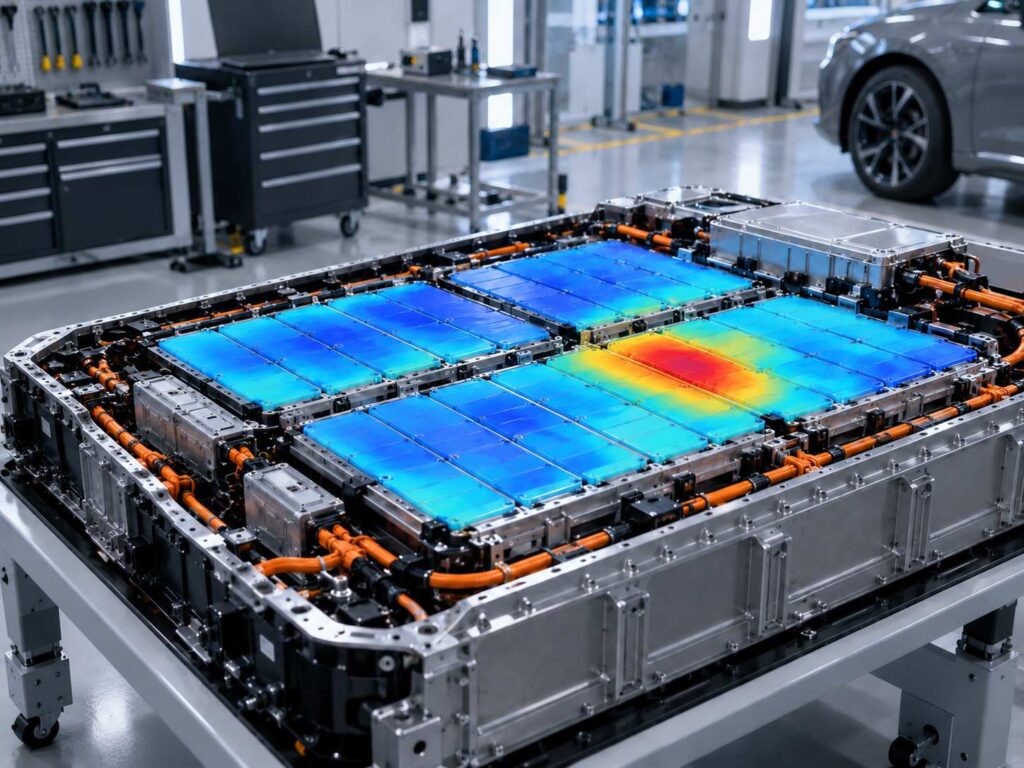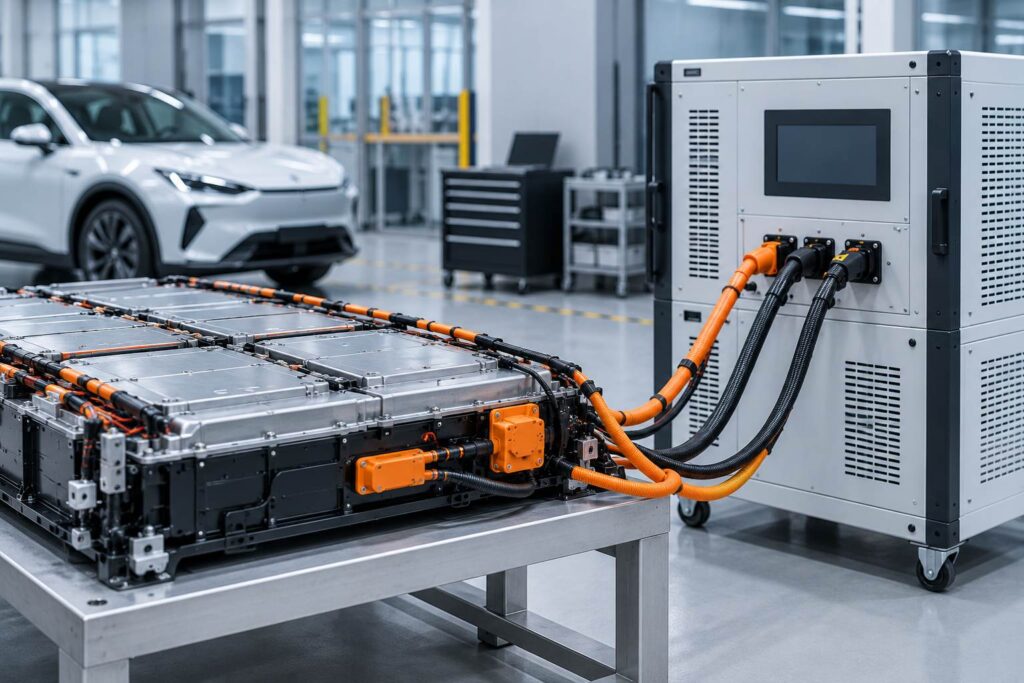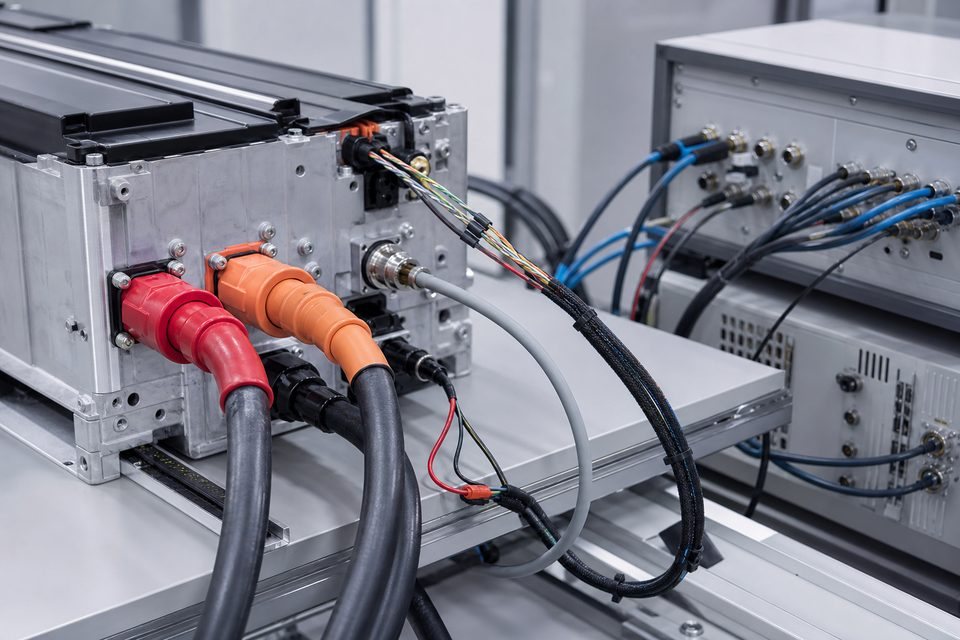

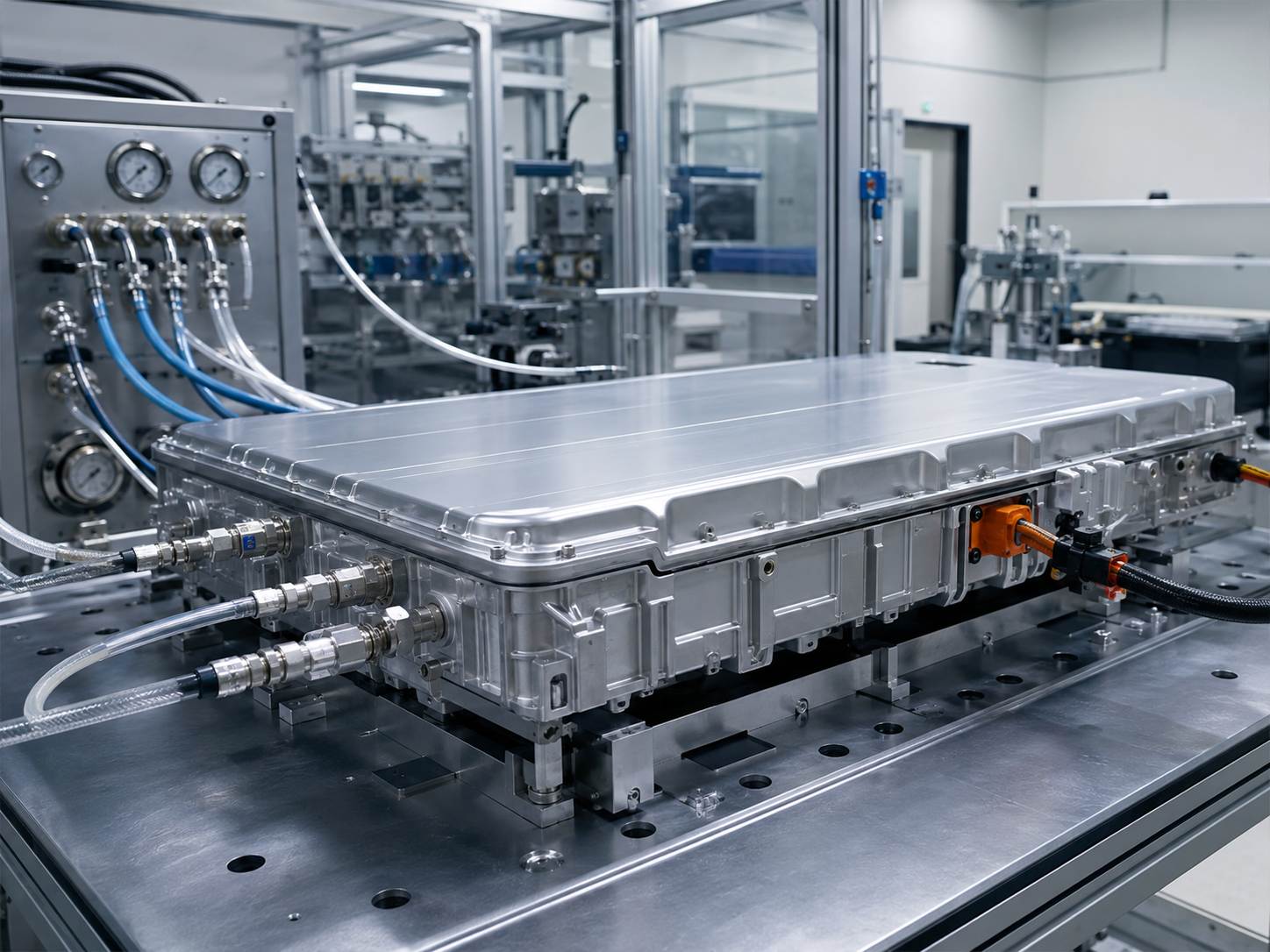
In the field of new energy vehicles, the sealing performance of the power battery pack is directly related to the safety and lifespan of the entire vehicle. The IP67 waterproof standard requires the battery pack to completely prevent dust ingress and to be submerged in water up to 1 meter deep for 30 minutes without harmful seepage. To achieve this stringent standard, high-precision testing using advanced airtightness testing instruments has become an industry-recognized necessity.
What is the IP67 standard? Why must new energy battery packs pass an airtightness test?
What does the depth of waterproof rating mean?
IP67 is an international standard for evaluating the protective performance of electronic equipment. The “6” represents the highest level of dust protection, and the “7” represents protection against short-term immersion in water.
What safety hazards can arise from a failed seal?
If the battery pack’s sealing structure is defective, moisture or liquid water may seep into the interior, causing electrolyte leakage, decreased insulation resistance, or even short circuits in the cells. If these tiny leaks are not detected in time, they will lead to uncontrolled battery consistency and, in severe cases, even catastrophic accidents such as thermal runaway.
How do airtightness testing devices work? Unveiling the core technologies for achieving high-precision testing.
How are the direct pressure method and differential pressure method applied in different pressure scenarios?
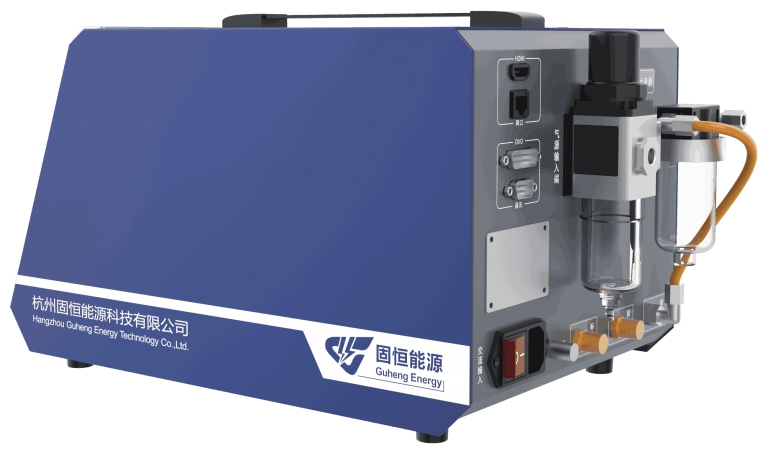
In practice, manufacturers of airtightness testing equipment typically offer different measurement modes based on the volume and accuracy requirements of the component under test. The direct pressure method is suitable for rapid screening of relatively large leaks; while the differential pressure method, by comparing minute pressure fluctuations between a reference component and the test component, can detect extremely subtle leaks. Guheng Energy’s QMM series equipment supports both direct and differential pressure modes, covering a wide pressure range from 0.2 to 650 kPa, meeting various testing needs from micro-electronic components to large battery boxes.
How does the patented air control technology achieve automatic air pressure regulation?
High precision hinges on an extremely stable air pressure environment. Guheng Energy employs a proprietary air pressure control technology in its products, enabling automatic and precise adjustment of test air pressure. By optimizing pressure overshoot and fluctuations during the inflation process, this technology significantly reduces pressure equalization time, thereby improving overall testing efficiency and result repeatability.
Why is sensor sensitivity so crucial for detecting minute leaks?
To ensure the battery pack perfectly meets the IP67 standard, airtightness testing equipment must possess extremely high resolution. Currently leading sensors have achieved a sensitivity of 1 Pa and an accuracy of 0.1%. This level of sensing capability is sufficient to identify even the smallest structural pores, thereby eliminating any potential water ingress risks during the production or maintenance phase.
Why has the airtightness testing instrument developed by Guheng Energy become an industry benchmark?
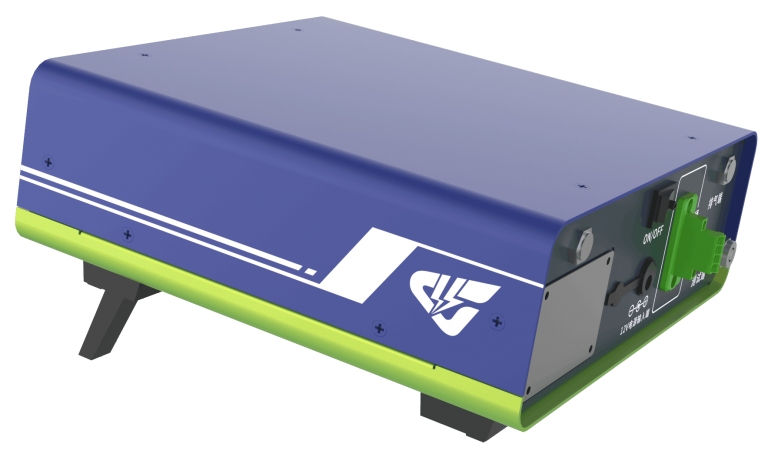
What are the advantages of robust design and CNC aluminum air circuit integrated base?
In high-frequency industrial testing environments, the physical stability of the equipment determines the authenticity of the test data. Guheng Energy employs a CNC-machined aluminum gas path integrated base design. This high-strength integrated structure effectively reduces internal connecting pipes, lowers the equipment’s inherent leakage rate, and achieves extremely high operational reliability and long-term stability.
How can liquid flow stoppers solve the testing challenges of liquid cooling systems?
For power battery packs with liquid cooling plates, the risk of coolant backflow is often present during testing. Guheng Energy has innovatively incorporated a liquid flow stopper and an independent exhaust gas path design. This detailed design effectively solves the problems of gas path contamination and equipment damage caused by liquid backflow, ensuring the continuity of the testing process.
How can intelligent systems achieve seamless interaction with MES systems?
Modern production line management requires traceability for every piece of test data. Guheng Energy’s testing equipment runs on an Android operating system and features multiple communication interfaces such as RS485, CAN, and Ethernet, supporting seamless integration with the factory’s MES system. By inputting the battery pack’s serial number (SN) using a wireless barcode scanner, the system automatically matches the appropriate test plan and uploads the test report to the cloud management platform in real time.
Conclusion
The IP67 waterproof rating of new energy battery packs relies not only on advanced manufacturing processes but also on rigorous testing procedures. Guheng Energy, with its high-precision sensing technology, robust hardware architecture, and intelligent interactive system, has set a new standard for airtightness testing instruments. Through these professional devices, companies can effectively prevent safety risks caused by seal failures, safeguarding the safety of every new energy vehicle.
FAQ
Q: How does Guheng Energy’s airtightness testing instrument achieve an ultra-high sensitivity of 1 Pa?
A: This device employs a redundant design with multiple high-precision sensors and patented gas control technology. Internal interference is reduced through a CNC-machined aluminum gas path integrated base, and advanced algorithms are used to deeply process the sampled signals, thereby stably capturing pressure fluctuations of 1 Pa over a wide pressure range.
Q: Why is it necessary to retest new energy battery packs using airtightness testing equipment during the after-sales stage?
A: During long-term driving, the battery pack casing may undergo structural deformation due to bumps, impacts, or thermal expansion and contraction. The portable equipment provided by Guheng Energy can help service stations promptly detect potential leaks caused by aging sealant or structural damage, ensuring the battery pack always maintains an IP67 protection level.
Q: Can Guheng Energy’s airtightness testing equipment test both the battery pack and the liquid cooling plate at the same time?
A: Yes. The QMM series leak detector is specially designed with a liquid stopper and an independent venting path, which can perfectly adapt to the waterproof performance testing of components such as battery boxes, liquid cooling plates, electric drive systems, PDUs and PEUs, effectively preventing residual liquid from damaging the testing instrument.