
Battery Balancing Pain Points and Industry Challenges
In the new energy sector, battery pack lifespan and performance are directly affected by voltage imbalances in individual cells. Long-term imbalances can lead to accelerated capacity decay, increased risk of thermal runaway, and decreased charge/discharge efficiency. Companies often encounter problems in battery maintenance, such as the inability to accurately monitor internal differences within the battery pack and the cumbersome or time-consuming equalization methods, necessitating high-precision, high-efficiency testing solutions.
Battery balancing definition and maintenance methods
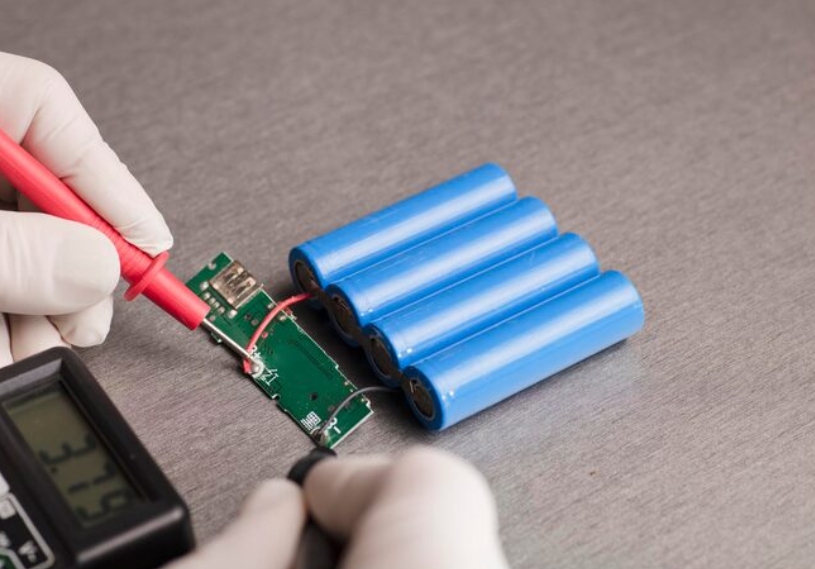
Battery balancing refers to using technical means to ensure that the voltage and capacity of each individual cell within a battery pack are consistent, reducing performance degradation caused by differences between individual cells. The main methods for maintaining battery balancing include:
Passive balancing : dissipates the energy of high-voltage cells through resistors, suitable for small-capacity or low-cost systems.
Active balancing : Utilizes an energy transfer device to transfer energy from high-voltage cells to low-voltage cells, improving balancing efficiency and suitable for large-capacity battery packs.
Regular inspection and maintenance : Regularly monitor battery status using professional equipment and promptly address any abnormal cells.
Battery Pack Structure Analysis
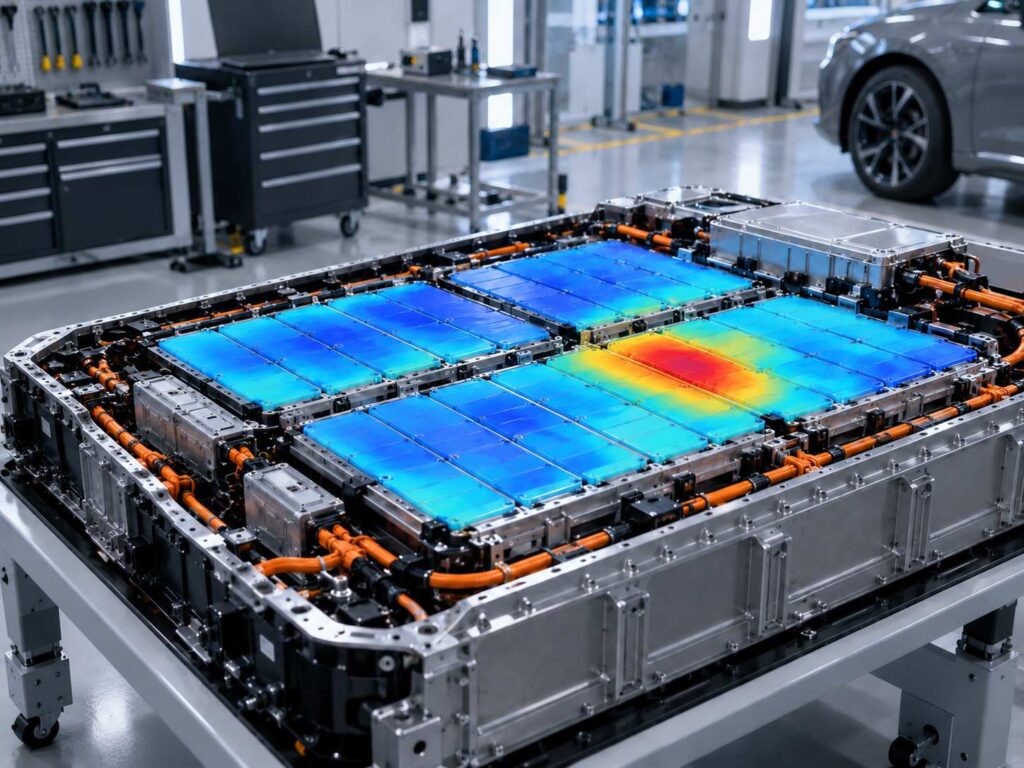
A battery pack consists of multiple individual cells connected in series and parallel. Series connection increases voltage, while parallel connection increases capacity. A well-designed battery pack structure can reduce balancing stress and improve system safety. Individual cell differences, connection impedance, and temperature distribution all affect the balancing effect; therefore, accurate monitoring and maintenance are essential.
Battery equalization detection method
Voltage-based detection
Voltage detection is the most direct method for determining battery balance. By collecting the voltage of each individual cell in real time and identifying cells with excessive voltage fluctuations, balance problems can be quickly detected.
Temperature and internal resistance analysis
Abnormal battery internal impedance and temperature are also important indicators of imbalance. Combining voltage detection with these factors allows for a comprehensive assessment of battery status and optimization of balancing strategies.
Use high-precision equipment
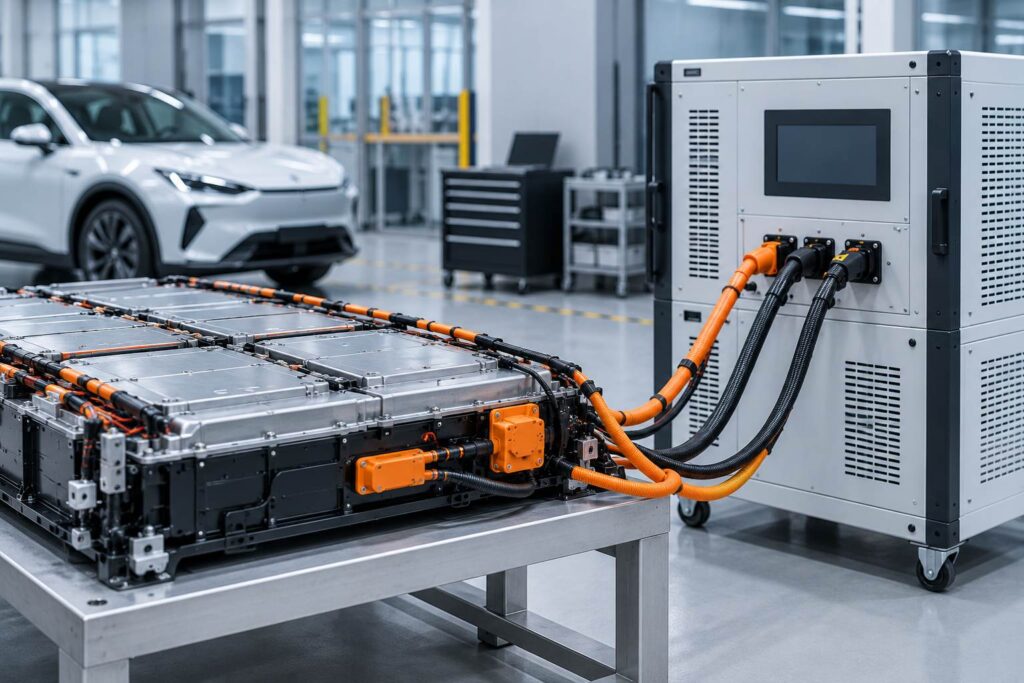
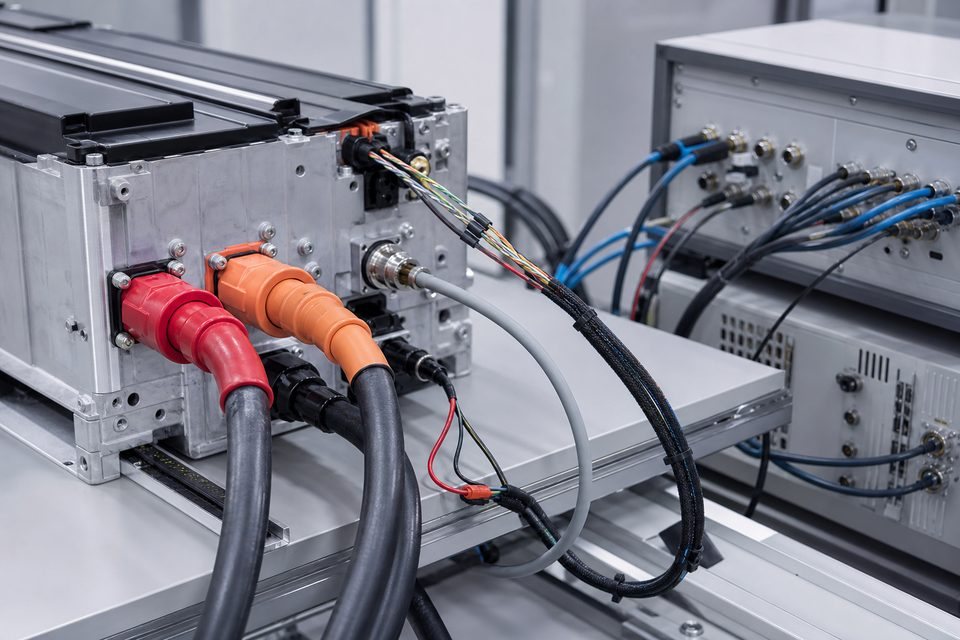
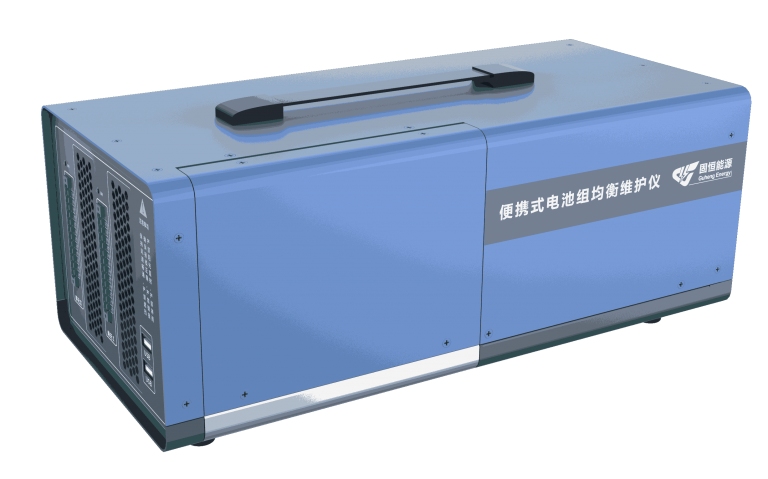
Guheng Energy ‘s portable battery pack equalization and maintenance instrument, PBM-PW-F-3605 , achieves high-precision measurement through CTP technology and supports rapid equalization of large-capacity battery packs. The instrument features:
Automatically collects voltage, current, and internal resistance data;
Intelligent analysis of abnormal units generates maintenance reports;
It supports simultaneous balancing of multiple battery groups to improve efficiency.
Battery equalization test process
Preliminary assessment : Battery pack voltage, internal resistance, and temperature were checked using a battery leveling device.
Anomaly identification : Analyze the data and mark cells with voltage deviations or high internal resistance.
Equalization Operation : Select a passive or active equalization strategy to perform automatic instrument equalization.
Re-inspection and confirmation : After equalization is completed, the battery status is re-tested to ensure that equalization meets the standards.
Recording and maintenance : Generate test reports for subsequent maintenance and performance evaluation.
Example Application
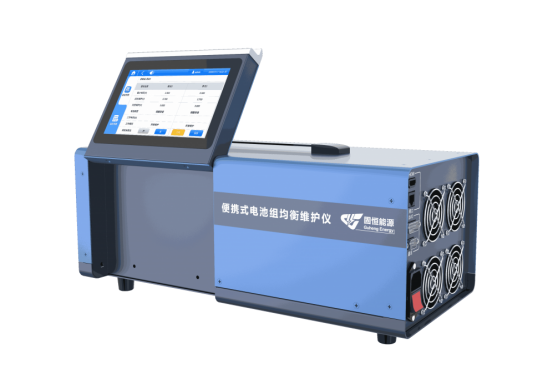
A major domestic energy storage company used a PBM-PW-F- 4805 to conduct equalization tests on 200 lithium battery packs. Through precise data collection by the instrument, 12 high-resistance cells were identified. After implementing active balancing, the overall capacity of the battery packs increased by approximately 4%, charging and discharging efficiency was significantly improved, and maintenance risks were significantly reduced.
Advantages of Choosing Guheng Energy
We specialize in new energy service technologies and the production of battery maintenance and testing instruments, covering the entire supply chain including maintenance, testing, and safety protection. Leveraging years of R&D experience and our CTP (Computer-to-Pack) technology advantages, we provide high-precision, high-reliability battery equalization testing solutions to help companies optimize battery pack performance, extend lifespan, and improve safety.
Conclusion and Call to Action
Battery balancing is a core component for ensuring the long-term stable operation of battery packs. Using the Guheng Energy balancing and maintenance system, efficient and accurate testing and maintenance can be achieved. We welcome interested companies to contact us for professional solutions and technical support to jointly improve battery pack performance and lifespan.
FAQ
Q: What does battery balancing mean?
A: To ensure that the voltage and capacity of each cell in the battery pack are consistent, thereby reducing performance degradation.
Q: How to maintain battery balance?
A: Regularly inspect and perform passive or active balancing using a balancing maintenance device.
Q: How long does the equalization test take?
A: Depending on the battery pack capacity, the PBM-PW-F-3605 typically completes the initial inspection and equalization in several tens of minutes.
Q: Is the instrument suitable for large-capacity energy storage systems?
A: Yes, the PBM-PW-F-6405 supports simultaneous detection and equalization of large-capacity battery packs.
Q: Can using the device improve battery performance?
A: It can significantly optimize capacity consistency and charge/discharge efficiency, and extend lifespan.