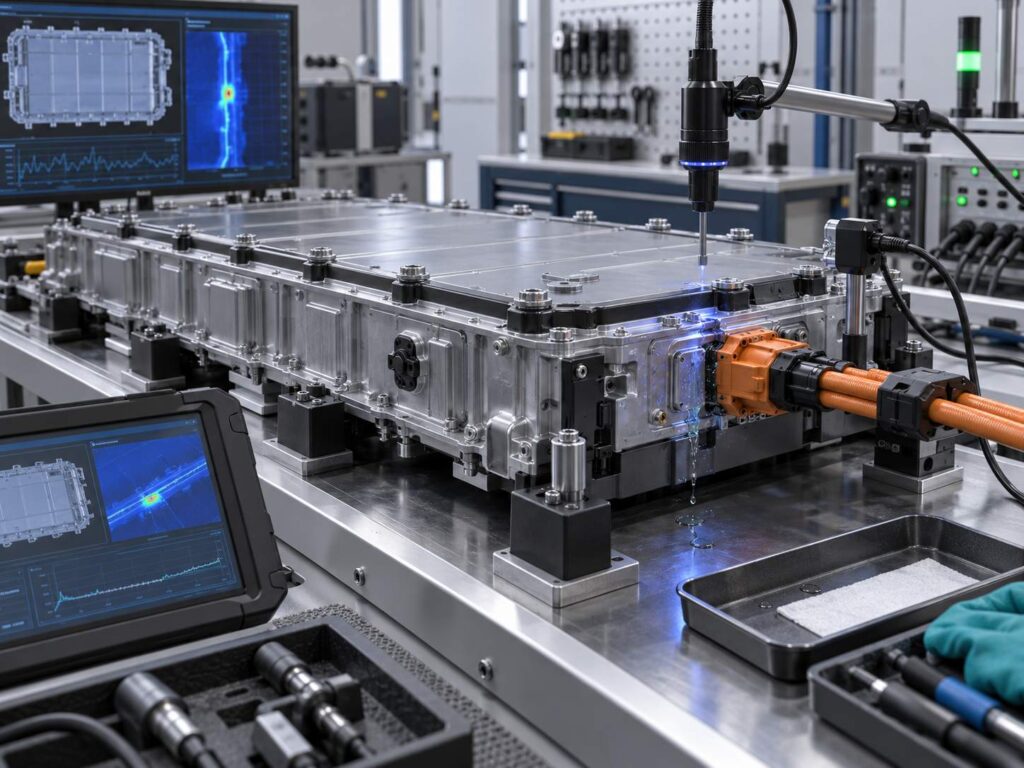

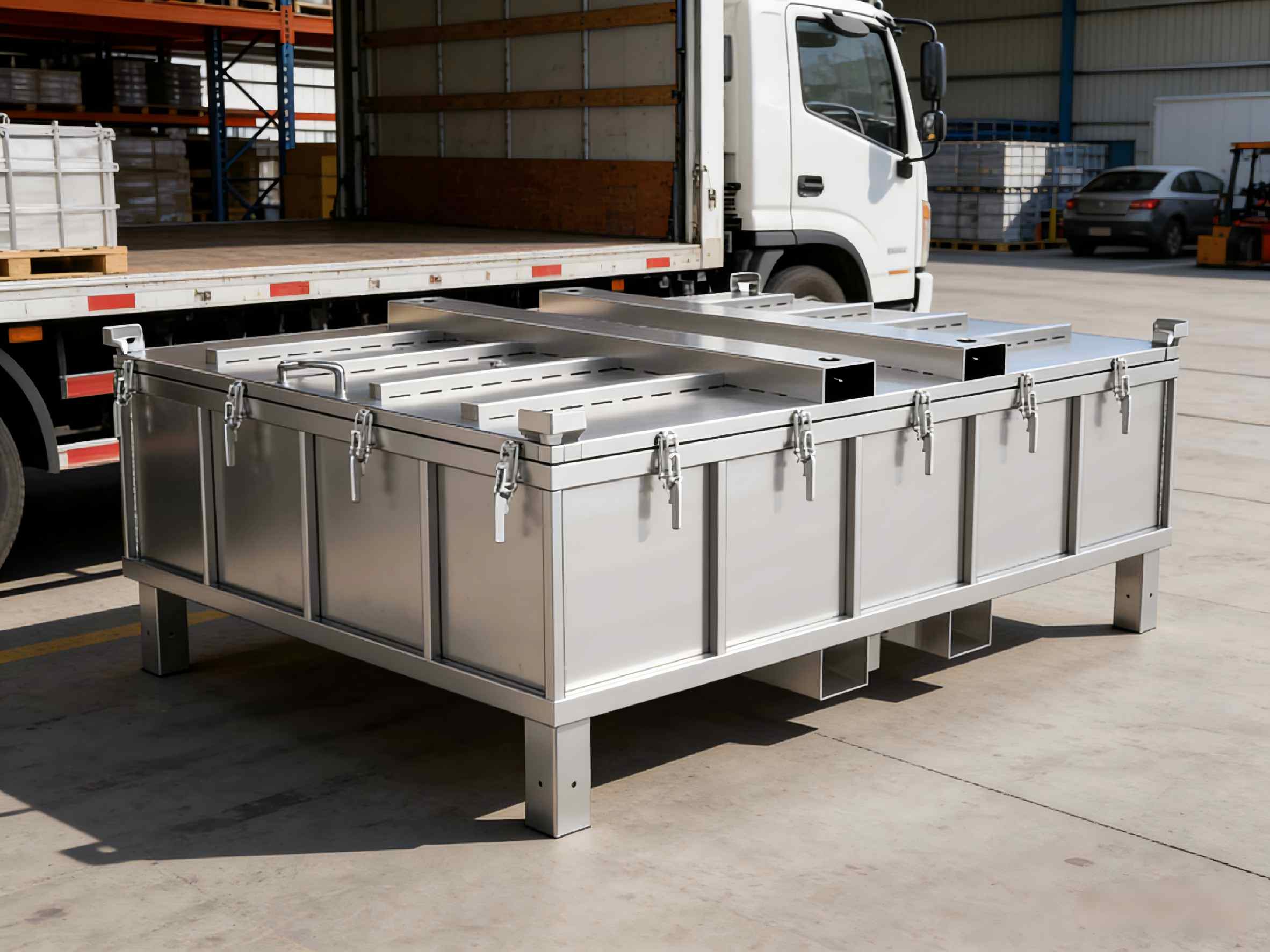
With the rapid development of the new energy vehicle and energy storage industries, the demand for the transportation of scrapped, faulty, and untested power batteries is surging. Safety hazards during transportation have become a critical issue that the industry urgently needs to address. As a core safety hazard in the transportation of hazardous power batteries, the risks of thermal runaway, fire, and explosion caused by intermittent discharge not only threaten the safety of personnel and goods but may also cause serious environmental impacts.
As a professional manufacturer specializing in new energy service technology solutions and battery maintenance and testing instruments, Guheng Energy has been deeply involved in the industry for over a decade. Combining first-hand practical experience with compliance requirements, we focus on the safety of transporting hazardous waste power batteries, analyze core risks, and provide systematic prevention and control solutions. We will highlight our core protective equipment—the explosion-proof transport box for hazardous waste power batteries—to safeguard the safe transfer of these batteries in the industry.
Core Safety Risks in the Transportation of Hazardous Power Batteries
Intermittent discharge induces thermal runaway
Scrapped or faulty power batteries often harbor micro-short circuit hazards. Bumps and vibrations during transportation can exacerbate internal structural damage, triggering intermittent discharge. This discharge process is accompanied by a large accumulation of heat, which can rapidly trigger the decomposition of the SEI film and the generation of electrolyte gas, ultimately leading to battery thermal runaway, causing fire and explosion. This is the most common and dangerous risk during transportation.
Mechanical damage causes internal short circuit
such as collisions and squeezing during transportation can cause damage to the battery casing and deformation of the electrode sheets, which can lead to internal short circuits. This, combined with intermittent discharge, can accelerate thermal runaway. Moreover, these accidents are often sudden and difficult to predict in advance.
Liquid leaks and flammable gas leaks
When a power battery is damaged, the internal electrolyte will leak, which will not only corrode the transportation equipment, but may also react with other substances. At the same time, during thermal runaway, flammable gases such as hydrogen and carbon monoxide will be produced. Once the explosive limit is reached, it will cause an explosion when exposed to an open flame or static electricity.
Compliance and regulatory risks
Hazardous waste power batteries belong to Class 9 dangerous goods. Transportation must strictly comply with relevant standards such as UN38.3 and GB. Failure to use compliant protective equipment or lack of necessary qualification documents will not only result in regulatory penalties but also amplify safety risks and cause irreparable losses.
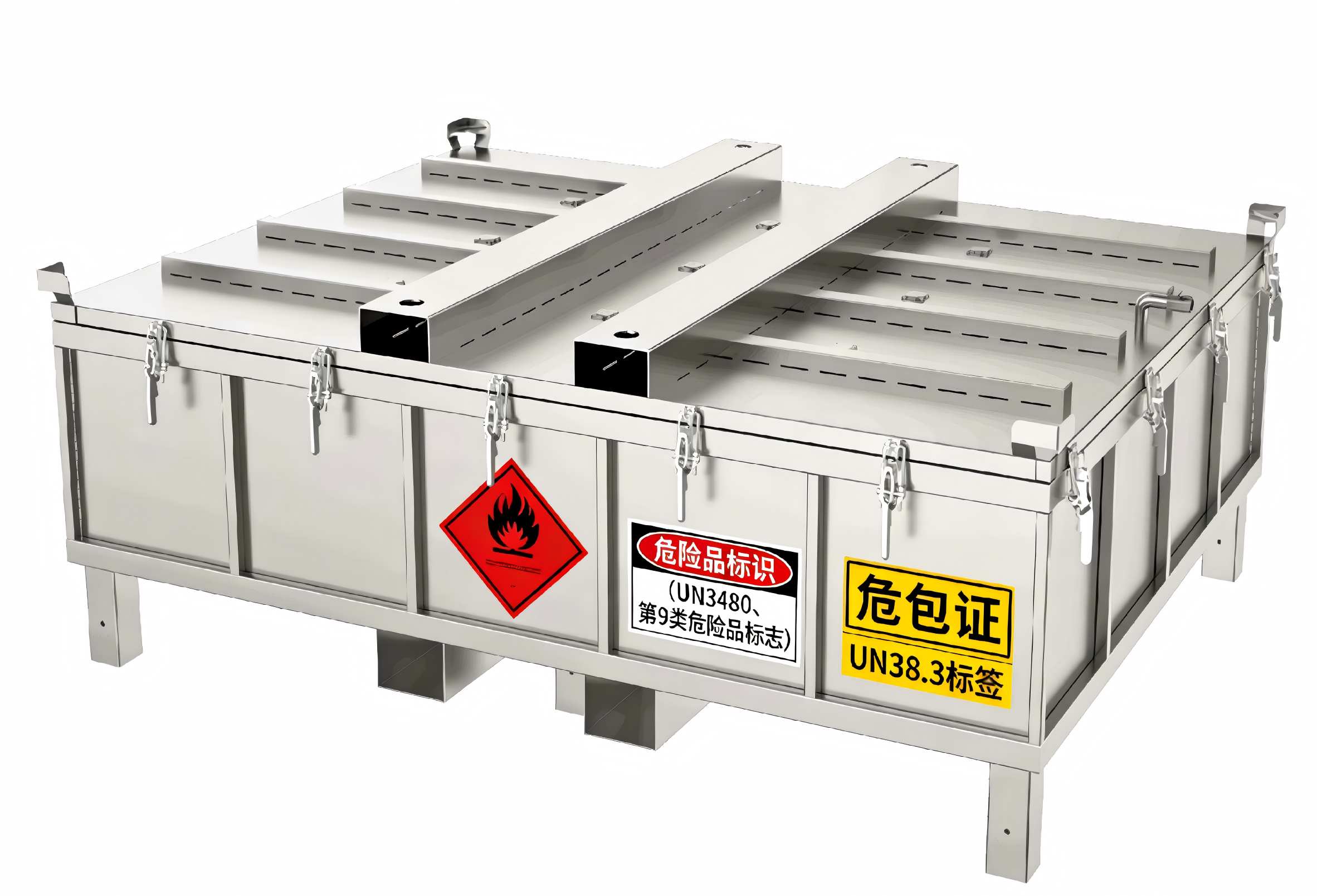
Application Value of Explosion-proof Transport Boxes for Hazardous Waste Power Batteries by Guheng Energy
Physical isolation and explosion-proof flame retardancy
Our TEPB-030 explosion-proof transport box for hazardous waste power batteries is made of 304 stainless steel, which is corrosion-resistant and impact-resistant, effectively resisting external collisions. It also has excellent explosion-proof and flame-retardant properties, which can limit the impact of battery thermal runaway, fire and explosion within the box and prevent it from spreading to the vehicle compartment and the surrounding environment.
Pressure relief and temperature control to suppress thermal runaway
The enclosure is equipped with a professional pressure relief valve, safety valve, and explosion-proof mesh, with an explosion-proof pressure of up to 0.5MPa. When high-pressure gas is generated inside the enclosure due to thermal runaway, it can quickly release pressure, relieve internal pressure, and suppress the risk of explosion. At the same time, the optional double-layer or single-layer structural design can enhance the heat insulation effect, delay heat conduction, and buy time for emergency response.
Leak-proof and anti-static design
With a waterproof rating of IP65, it can effectively prevent electrolyte leakage and environmental pollution. It also has a comprehensive anti-static design to prevent sparks generated by static electricity from igniting flammable gases, thus blocking the risk transmission path in all aspects.
Compatible with UN38.3 and dangerous goods transport standards
This product strictly complies with UN38.3 and relevant domestic standards for hazardous waste transportation. Its internal dimensions are 2.6 × 1.9 × 5.9m, and it can be adapted to hazardous waste power batteries of different specifications to meet the transfer needs of various scenarios and help enterprises achieve compliant transportation.
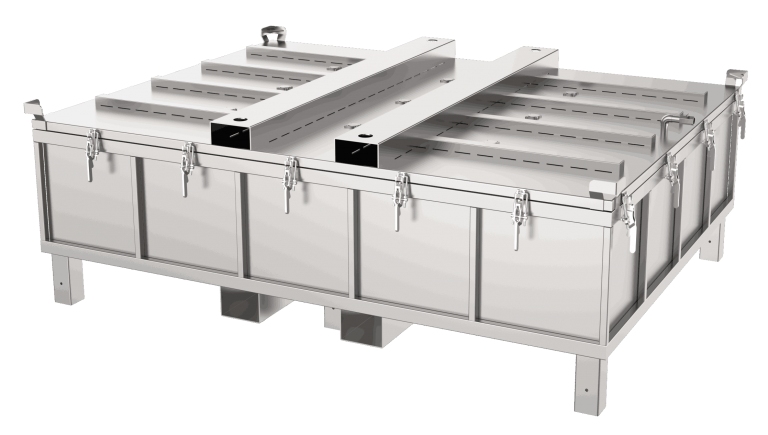
Full-process transportation safety management standard
- Pre-loading inspection and classification : Before loading, the battery condition must be checked again, and batteries with different degrees of damage should be stored separately to avoid cross-contamination risks caused by mixed loading; at the same time, the sealing, pressure relief and other components of the explosion-proof transport box for hazardous waste power batteries should be checked to ensure that the equipment is in good condition.
- Transportation routes and emergency plans : Plan reasonable transportation routes to avoid high-temperature, humid, and densely populated areas; equip with emergency fire extinguishers, absorbent cotton, and other equipment; and formulate detailed emergency response plans to ensure rapid response and scientific handling in case of abnormalities.
- Unloading handover and record management : Handle with care during unloading to avoid violent impacts, and keep good handover records; at the same time, improve the transportation record in accordance with traceability management requirements to ensure that each batch of hazardous waste power batteries is traceable and meets industry regulatory requirements.
- Personnel training and operating standards : Provide professional training to transportation and operation personnel, explaining the safety characteristics of hazardous waste power batteries, the correct use of explosion-proof transport boxes for hazardous waste power batteries, and emergency response procedures, so as to standardize operating behavior and eliminate risks caused by human error.
Conclusion
The safe transportation of hazardous waste power batteries is crucial to enterprise production and operation, public safety, and the ecological environment. Potential risks such as intermittent discharge and mechanical impact require dual prevention and control through professional technical equipment and standardized process management. Guheng Energy, deeply rooted in the field of new energy safety, has developed the TEPB-030 explosion-proof transport box for hazardous waste power batteries, leveraging its professional technical strength and rich industry experience. With robust parameters such as 304 stainless steel construction, 0.5MPa explosion-proof pressure, and IP65 waterproof rating, it builds a solid physical protection line. Combined with our comprehensive safety solutions, it effectively reduces transportation risks and helps enterprises achieve compliant, safe, and efficient battery turnover.
As a high-tech enterprise, we are committed to technological innovation, safeguarding the new energy recycling and maintenance industry chain, and promoting the safe and healthy development of the industry. Contact Guheng Energy now to obtain customized explosion-proof transport boxes for hazardous waste power batteries and end-to-end safe transportation solutions, ensuring the safety of every transfer!
FAQ
Q: Why is thermal runaway prone to occur during the transportation of hazardous waste power batteries?
A: Faulty and scrapped batteries often have internal micro-short circuits. Transportation vibrations and bumps can easily cause intermittent discharges, and the rapid accumulation of heat triggers the decomposition of the SEI film and the generation of electrolyte gas, which can eventually lead to thermal runaway, fire and explosion. If professional protective equipment is not used, the risk will be further amplified.
Q: Must power batteries be transported in explosion-proof containers?
A: Waste power batteries, which belong to Class 9 hazardous materials, must be packaged in explosion-proof and flame-retardant packaging in accordance with regulations such as UN38.3 and GB. Our explosion-proof transport boxes for hazardous power batteries not only meet compliance requirements but also comprehensively block safety risks, making them essential equipment for the transportation of hazardous power batteries.
Q: How can intermittent discharge be effectively controlled during transportation?
A: First, we use professional testing equipment to reduce the SOC of the battery to a safe range, then we ensure proper insulation and fixation before loading it into our hazardous waste power battery explosion-proof transport box. Its 304 stainless steel structure, pressure relief valve, and explosion-proof mesh design can block the diffusion of heat and gas, thus physically suppressing the risks caused by intermittent discharge.
Q: What qualifications and documents are required for transporting hazardous waste power batteries ?
A: Must possess dangerous goods transportation qualifications, be equipped with transfer manifests, dangerous goods packaging certificates, UN38.3 test reports, etc., and have UN3480 and other dangerous goods labels affixed to the packaging . The entire process must be tracked and the status recorded.