
Electrolyte leak testing matters in battery pack safety screening because early leakage can be difficult to confirm by visual inspection, yet it can affect connection areas, insulation-related checks, and later repair decisions. A repeatable process is more useful than relying only on odour, surface traces, or a one-time visual examination.
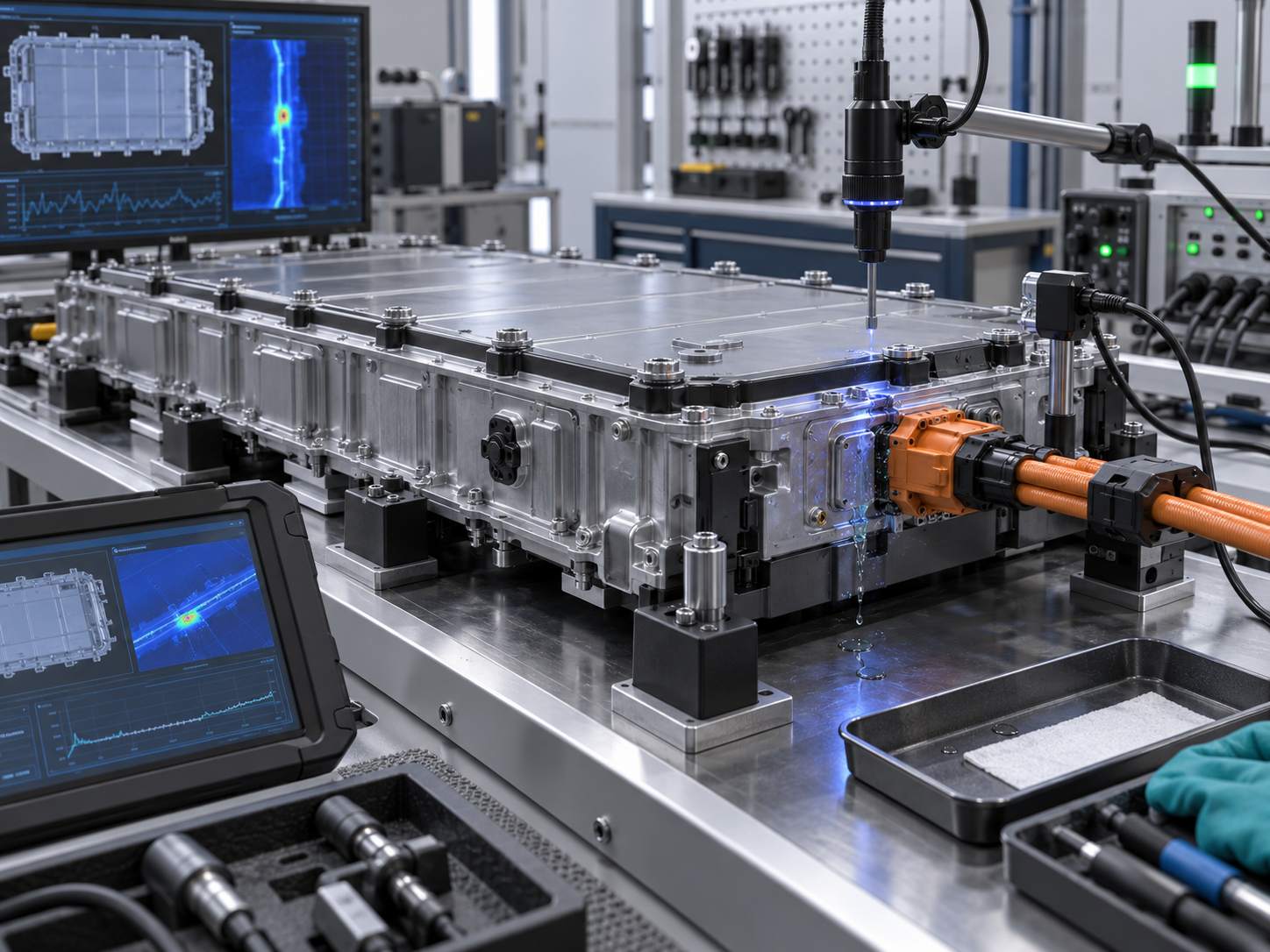
Electrolyte Leak Testing Focuses on Early Exceptions
Inside a battery pack, a potential source can be associated with cells, fluid paths, sealing locations, or assembly condition. Even without visible liquid, volatile components and an unusual concentration signal can indicate that a part needs additional review, particularly after repair, impact-related inspection, or long-term operation.
Confirming enclosure sealing alone is not a substitute for electrolyte leak testing. Air tightness testing helps assess enclosure and interface sealing, while electrolyte leak testing focuses on electrolyte-related signals from the test object. The two tests can complement each other when their objectives are kept clear.
Why Visual Inspection Can Miss Risk
The Source Is Not Always Easy to See
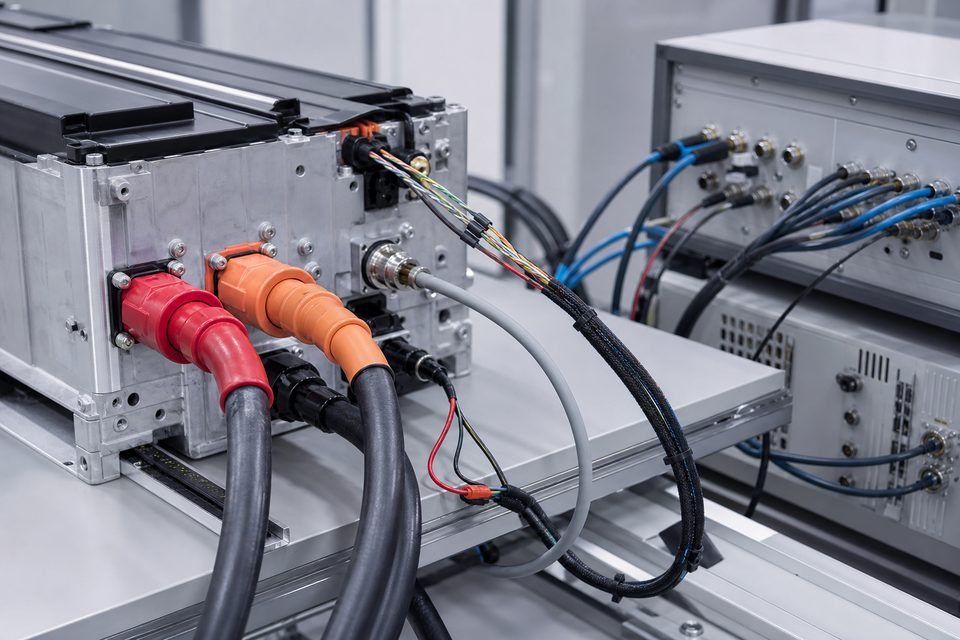
Enclosures, connectors, cooling-related components, and internal structures can block access to potential areas. A process based only on surface traces can miss small, intermittent, or cleaned-up evidence, especially when a battery pack has passed through several service steps.
Field Conditions Change Human Judgement
Airflow, temperature, housekeeping, and work pace can all influence what an operator observes. Defined pressure control, balancing, and sampling logic make it easier for different operators and batches to follow comparable conditions and retain a clearer basis for a retest.
How QMD Supports a Controlled Screening Process
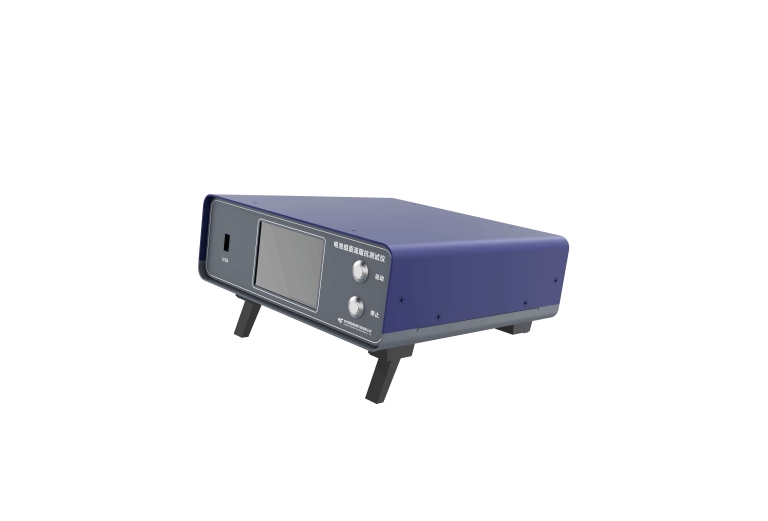
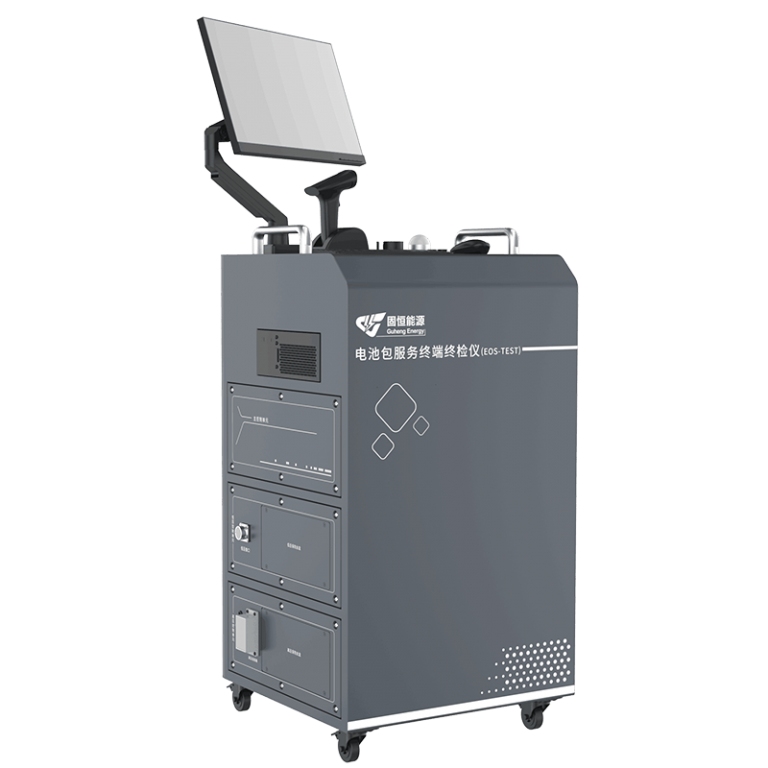
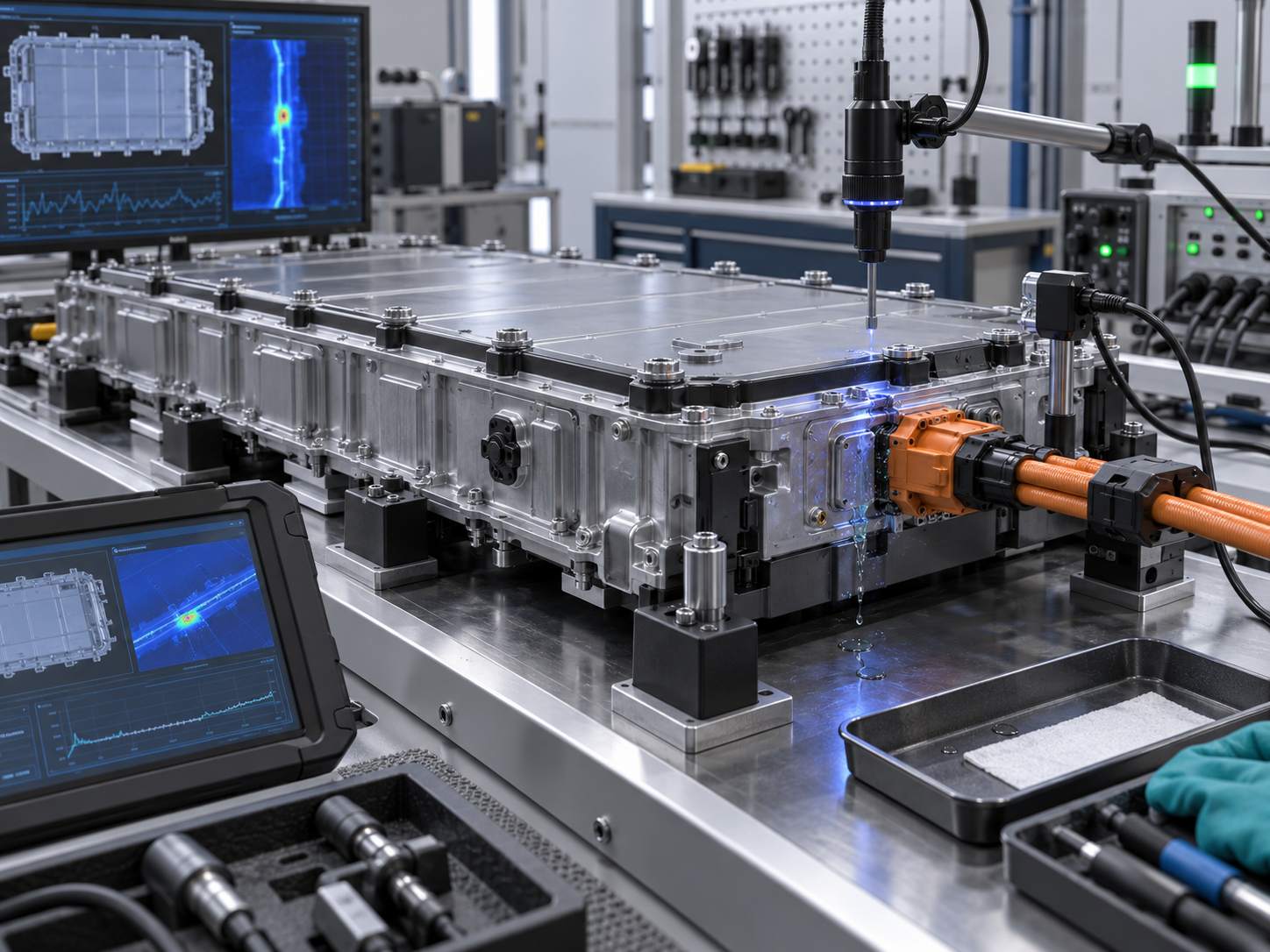
Guheng Energy’s portable QMD electrolyte leak tester is designed for electrolyte-leak detection on power battery packs and related components. It supports automatic pressure adjustment, rapid pressure balancing, and high-precision leak-concentration sampling, while its modular design uses a PID sensor.
Editable test processes and parameter files support object-specific methods, and historical leak-value records can be queried. Test conditions need to be retained with the result: without a consistent parameter basis, a single value is difficult to interpret in a service or quality decision.
How Air Tightness and Electrolyte Screening Work Together
Keep the Inspection Objectives Separate
Air tightness checks normally examine pressure behaviour in a sealed cavity, while electrolyte leak testing examines electrolyte-related leakage signals. Test objects, fixtures, pressure settings, and acceptance logic can differ, so the work instruction should state what each step is intended to answer.
The QMD can be configured with an optional air-tightness-testing component, which can suit stations that organize more than one screening task. Whether those tasks should be combined depends on part design, cycle time, fixture fit, and internal quality requirements.
The Guheng Energy detection product category is the appropriate English-site entry for relevant inspection equipment. For a broader view of sealing workflows, see the automotive battery air tightness solution before defining the actual test station.
Use Data and Interfaces with a Clear Plan
When several models or batches are screened, part identity, parameter version, and result linkage affect traceability. QMD can be configured with barcode scanning, WIFI, RS485/RS232, CAN, cloud data, and I/O control for applications that need ID handling, data exchange, or automated sequencing.
An available interface does not complete an automated workflow by itself. Define barcode rules, trigger signals, data fields, exception handling, and record queries so that the result returns to the repair, quality, or review process instead of remaining isolated in the instrument.
Improve the Reliability of Screening Results
Before a test, confirm object condition, environmental requirements, fixture sealing, and parameter version. After a test, distinguish an initial exception, a repeated exception, and a fixture or connection exception. For parts requiring further work, retain time, ID, process file, and disposition in the record.
The Guheng Energy approach fits teams that want to put field electrolyte screening, result records, and optional communication capability into standard work. Actual settings should then be confirmed with representative parts and fixtures.
Conclusion
The value of electrolyte leak testing is that it turns an early risk that is hard to judge visually into a repeatable screening step. Combining QMD pressure control, sampling, test files, and history with the right fixture can help teams identify battery packs that deserve review sooner. Explore Guheng Energy detection solutions to add a clearer electrolyte-leak checkpoint to battery pack safety screening.
FAQ
Q: Can electrolyte leak testing replace battery pack air tightness testing
A: It should not be treated as a direct replacement. Air tightness testing examines enclosure and interface sealing, while electrolyte leak testing focuses on electrolyte-related leakage signals. Their objectives and acceptance logic differ, so whether they are used together should follow part design, process requirements, and fixture capability.
Q: Is leak testing needed when there is no visible trace
A: The decision depends on the quality or service workflow, but no visible trace does not always rule out an early or hidden exception. For repaired, abnormal, or traceable parts, a consistent screening method can reduce variation created by relying only on visual judgement and individual experience.
Q: What does the PID sensor do in this process
A: The PID sensor supports sampling of leak-related concentration signals as part of the QMD modular detection design. Sensitivity, applicable materials, and acceptance limits should be established for the specific test object and process rather than explained by one universal threshold detached from the application.
Q: How should historical leak records be used
A: Review them together with part ID, fixture, process file, environmental conditions, and disposition. A sequence of records is useful for comparing retests and screening trends, but it is not a standalone root-cause conclusion. Exceptions should be assessed with connection checks, visual review, and appropriate follow-up work.