
A power battery safety storage cabinet reduces thermal runaway risk by keeping inspected, repaired, or potentially unsafe lithium power batteries inside an environment with isolation, ventilation, temperature control, alarm, and fire-response capability. For service centers, battery factories, and energy storage maintenance sites, ordinary racks can hold batteries but cannot respond to leakage, temperature rise, ignition, or pressure release. Guheng Energy’s fixed power battery safety storage cabinet brings a safety boundary into daily battery storage and testing work.
Why Procedures Alone Cannot Control Thermal Runaway Risk
A power battery may still carry internal short-circuit risk, external damage, connector abnormality, or temperature instability while it is not operating. If a risky battery is stored beside ordinary materials, heating, venting, or ignition can quickly affect nearby equipment and personnel. Procedures can define where batteries should be stored and how operators should work, but they cannot automatically isolate, alarm, or spray water at the early stage of a fire. A professional storage cabinet provides a controlled environment before an incident and limits spread when an incident begins.
How a Power Battery Safety Storage Cabinet Protects the Site
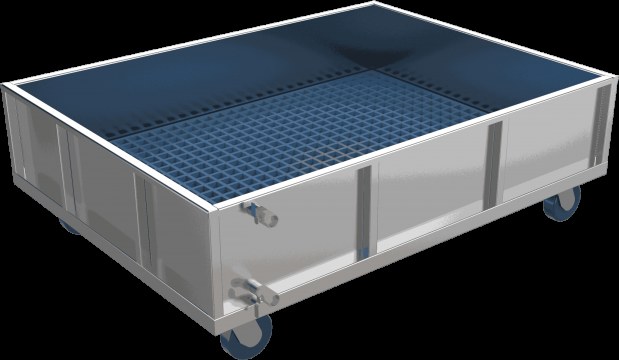
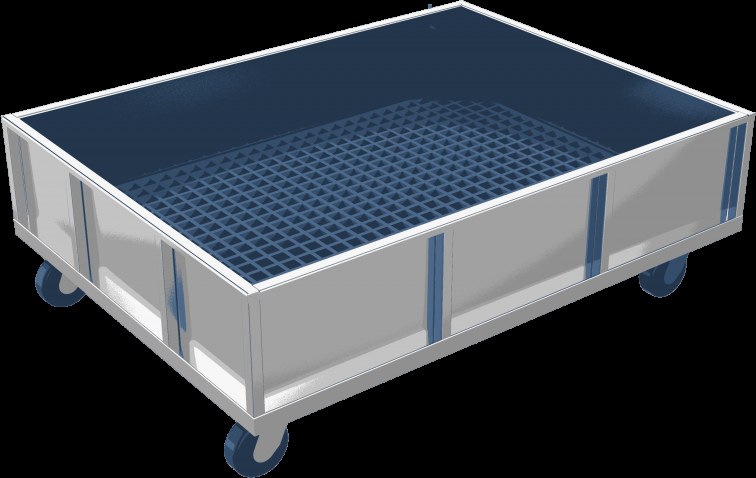
Guheng Energy’s fixed power battery safety storage cabinet is used to store and test power lithium batteries in a safer environment. Its frame uses section steel, and the cabinet has fire integrity of more than 90 minutes, giving teams more time for isolation and response. The cabinet bottom includes a steel liquid tray, while the interior and exterior have an anti-corrosion coating to handle possible liquid leakage and corrosive conditions. Double front doors support battery module access, while the water-retaining strip and battery storage rack keep storage work more orderly.
Ventilation and Temperature Control
The cabinet is equipped with a ventilation device and explosion-proof air conditioner to regulate air and temperature inside the cabinet. For batteries awaiting inspection, post-repair isolation, or energy storage module replacement, a stable environment helps reduce uncertainty caused by external temperature fluctuations. Optional ventilation exchange and battery-compartment temperature monitoring allow different sites to adjust the configuration according to monitoring level and operating frequency.
Alarm, Pressure Relief, and Sprinkler Response
The cabinet includes a pressure relief valve, fire alarm, and closed fire water sprinkler system; when a fire is detected, it can issue sound and light alarms. The automatic drainage device connects with sprinkler response and leakage collection to prevent liquid from remaining inside the cabinet for too long. These functions work together as a protective chain, from early detection and pressure relief to fire suppression and later drainage.
Where Safety Storage Cabinets Are Needed Most
New energy vehicle service centers need temporary isolation for batteries waiting for diagnosis or post-repair observation, especially packs with unknown history, collision exposure, or abnormal temperature records. Battery factories and remanufacturing sites often need separate management for inspection modules, faulty parts, and returned packs. In energy storage operation centers, replaced modules also need safer temporary storage before testing, maintenance, or follow-up handling. The Guheng Energy fixed power battery safety storage cabinet can work together with the safety protection product category and emergency and rescue solutions to build a more complete battery safety workflow.
Configuration Should Follow Real Risk
When choosing a power battery safety storage cabinet, first define whether the stored object is a full pack, module, or inspection sample. Then confirm access method, monitoring requirement, ventilation condition, and fire-response linkage. Looking only at cabinet appearance can overlook alarm, pressure relief, temperature monitoring, and drainage details that truly affect safety. Guheng Energy supports customization, including optional video monitoring, battery-compartment temperature monitoring, and ventilation exchange. Different sites can configure the cabinet according to battery volume, risk level, management rules, and operating conditions.
Conclusion
A power battery safety storage cabinet is not ordinary storage furniture. It is a physical safety boundary for battery repair, testing, and temporary storage. Through fire-resistant structure, environmental control, leakage collection, fire alarm, and closed fire water sprinkler response, it helps keep thermal runaway risk inside a more manageable space.
Explore Guheng Energy safety protection equipment to build a more complete battery safety storage solution for service centers, battery factories, and energy storage operation sites.
FAQ
Q: How is a safety storage cabinet different from an ordinary rack?
A: An ordinary rack mainly provides placement and load support. It cannot manage temperature rise, leakage, alarm, pressure relief, or fire response. A power battery safety storage cabinet provides a controlled environment and multiple protective functions for batteries awaiting inspection, repair, or risk isolation.
Q: Why does the cabinet need explosion-proof air conditioning and ventilation?
A: Temperature and air conditions affect battery storage safety. Explosion-proof air conditioning and ventilation regulate the cabinet environment, reduce abnormal external stimulation, and support more stable conditions for long-term storage, post-repair isolation, or energy storage module management.
Q: What do the fire alarm and closed sprinkler system do?
A: The fire alarm provides sound and light warning when fire is detected, while the closed fire water sprinkler system supports early suppression. Together with the pressure relief valve and automatic drainage device, it forms a more complete incident-response chain.
Q: Which sites should consider a safety storage cabinet?
A: New energy vehicle service centers, battery factories, remanufacturing areas, energy storage operation centers, and temporary isolation zones for faulty batteries are strong use cases. The final configuration should reflect battery type, quantity, risk level, monitoring needs, and site fire conditions.