
How a DC Resistance Tester Finds Early Battery Pack Degradation
A DC resistance tester helps teams spot battery-pack degradation and connection issues earlier by comparing resistance changes across a pack, module, or individual string. Voltage remains important, but voltage alone may not explain unstable behaviour under load. Adding DC resistance provides another view of changes related to electrical connections and battery condition.
A DC Resistance Tester Looks for Meaningful Change
DC resistance is not an absolute label that should be interpreted outside its test conditions. Temperature, SOC, rest time, connection method, and test procedure can all influence the result. A more useful approach is to establish a baseline under comparable conditions and then observe whether one object or one channel begins to depart from that pattern.
When a string or module gradually moves away from the rest of the group, it should trigger further inspection rather than an immediate cell-failure conclusion. Loose connections, oxidized contact surfaces, poor test-lead contact, and changes inside the module can all create a difference worth investigating.
Why Voltage Alone Cannot Explain Degradation
Voltage Shows State and Resistance Adds Capability Context
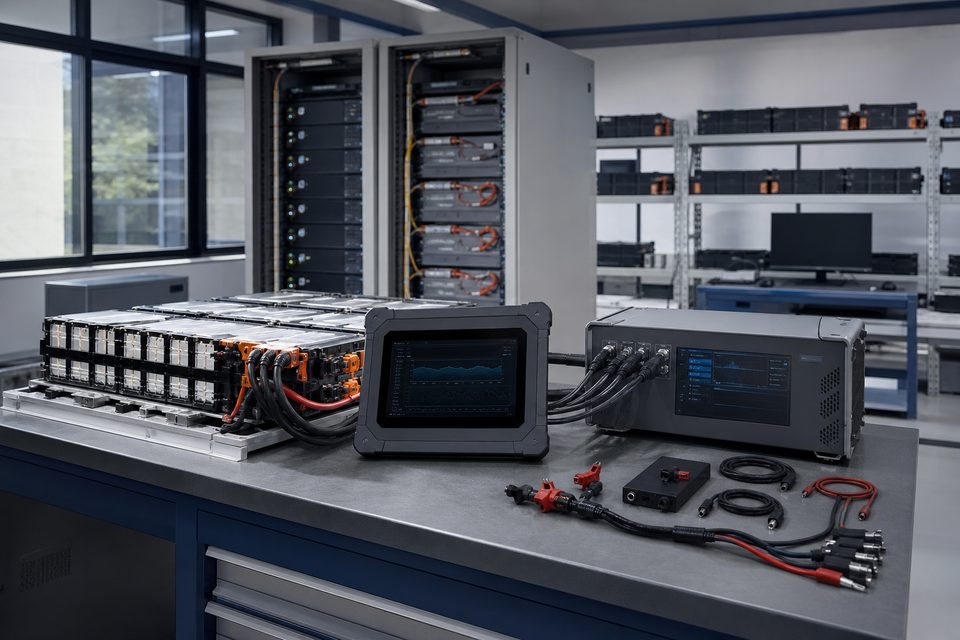
At rest or under light load, several cells may show similar voltage while resistance differences affect voltage drop and heat behaviour during load changes. Reviewing voltage consistency together with DC resistance lets technicians look at both static state and load-related capability.
Comparison Matters More Than One Number
A single resistance value without documented conditions and a comparison point is rarely enough to make a reliable decision. Record battery-group ID, measurement position, environmental state, and test time, then compare the result with the same object’s history or with a similar group measured under comparable conditions.
Use Whole-Pack and String Results Together
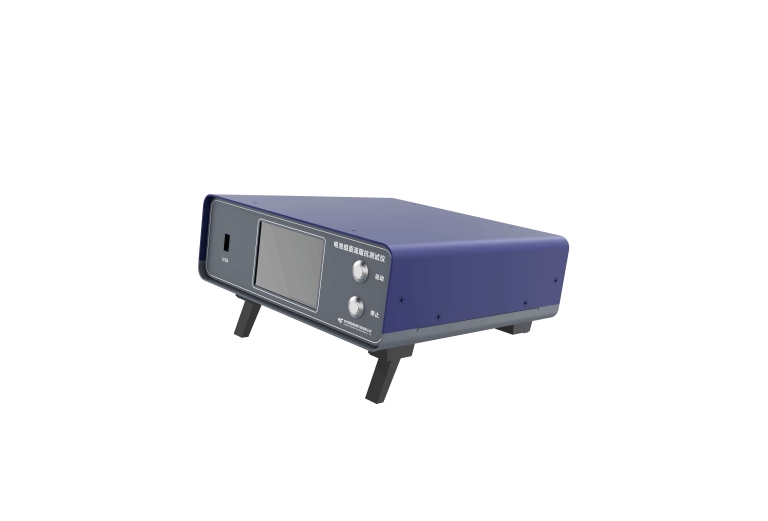
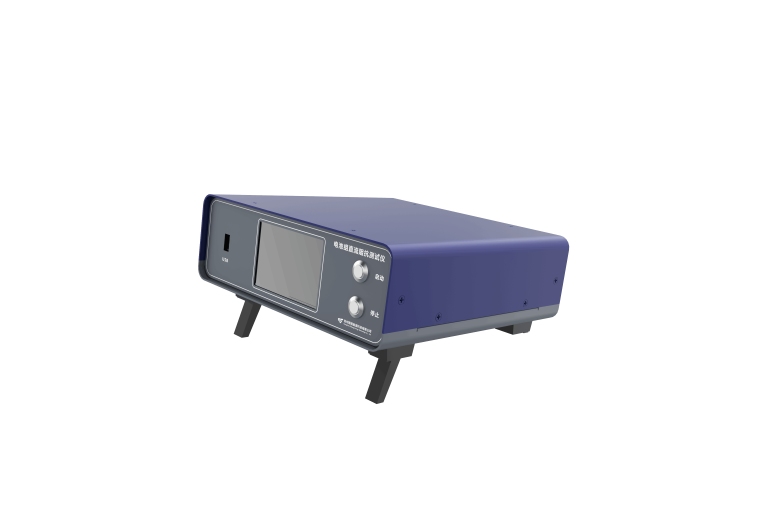
Whole-pack DC resistance provides an overview of group-level connection and condition, while string results help narrow the inspection path. Guheng Energy’s RDT-12A tests DC resistance for assembled battery modules or battery boxes at both complete-pack and individual-string level, with support for up to 12 strings or modules.
RDT-12A also supports voltage and uniformity testing for up to 12 strings. Reviewing resistance with the corresponding voltage relationship helps identify locations that deserve attention and can guide the next step, such as connection review, balancing maintenance, or a deeper performance test.
Why Connection Resistance Deserves Priority
The Issue Can Be Hidden at a Contact Surface
Bolt preload, busbar contact surfaces, and oxidation over time can affect connection resistance. They may not immediately create an obvious alarm, yet they can add local voltage drop and thermal burden. When performance fluctuates or temperature behaviour is unusual, connection state should be part of the investigation.
DC resistance testing does not identify every physical defect by itself, but it provides a quantitative clue. When a difference is found, combine it with visual inspection and appropriate connection or process checks, while ruling out added resistance from the fixture and test leads.
The Guheng Energy detection product category is the appropriate English-site pathway for inspection applications. The maintenance product category can help frame the related maintenance workflow that follows an initial resistance-screening result.
Make Data Retention Part of Early Warning
RDT-12A supports battery-group ID entry, local storage, and export of test data. The practical benefit is that each result can be returned to a known object and date with a consistent procedure, so later trend comparison is not undermined by missing context.
Its algorithm model is intended to support repeatability and accuracy, but field discipline still matters. Build a baseline with objects whose condition is understood, control connections and pre-test state, and repeat the same sequence at defined maintenance or repair points.
Where to Use Resistance Screening First
Energy-storage battery maintenance, EV after-sales rechecks, module repair, and battery-box condition screening can all benefit from resistance changes that narrow the inspection path. RDT-12A combines a touch colour display, external battery power, and data export for teams that need an initial field check with a retained result.
Before selecting equipment, confirm string count, connection method, test points, environmental conditions, and data-archiving needs. Validate the final workflow with actual battery groups before adopting resistance values as maintenance triggers.
Conclusion
A DC resistance tester does not replace full diagnosis with one figure. Its value is in identifying battery and connection changes early enough to direct a more focused review. Putting the whole-pack, string, voltage-uniformity, and data-recording functions of Guheng Energy RDT-12A into a controlled process gives predictive maintenance a clearer evidence trail. Explore Guheng Energy detection solutions to add traceable resistance screening to battery-group health assessment.
FAQ
Q: Are DC resistance and AC internal resistance the same measurement
A: They are not the same test concept or method, and results from different instruments or excitation methods should not be treated as interchangeable. This article concerns battery-group DC resistance testing. A maintenance standard should state the instrument, procedure, conditions, and permitted comparison range before results are used together.
Q: Does higher resistance always mean a cell must be replaced
A: No. Resistance can be influenced by connection condition, temperature, SOC, measurement setup, and battery condition. It is best used as a signal for further work. Recheck the fixture and leads, then combine voltage, temperature, history, and applicable performance tests before deciding on an intervention.
Q: Why measure both whole-pack and individual-string resistance
A: The whole-pack result provides a group-level view, while individual-string results reveal differences by location. Used together, they can narrow an issue from an overall exception to a channel or connection area. Test positions, connections, and environmental conditions should remain as consistent as possible.
Q: How can a site establish a useful resistance baseline
A: Select representative battery groups with understood condition and test them at defined SOC, temperature, rest time, and connection setup. Record ID and procedure, then repeat the method under comparable conditions. Focus on trend and within-group spread, and update the baseline when the battery platform or maintenance process changes.