
A battery vent valve inflation fixture improves leak testing by creating a repeatable sealed connection between the test circuit and the valve. The Guheng Energy 4K50 fixture is designed for the PBA4K-50D battery vent valve and combines sealing and gas injection in a metal housing with a standard 8 mm tube fitting.
What a Battery Vent Valve Inflation Fixture Does
A Dedicated Interface Helps Isolate Fixture Leakage
A leak-test result can be affected by the valve, tube, fitting, seal, or fixture contact surface. If the tooling does not match the valve geometry and clamping position, leakage at the connection may be mistaken for leakage from the product itself.
How the 4K50 Fixture Combines Sealing and Inflation
The Two-in-One Structure Reduces Connection Steps
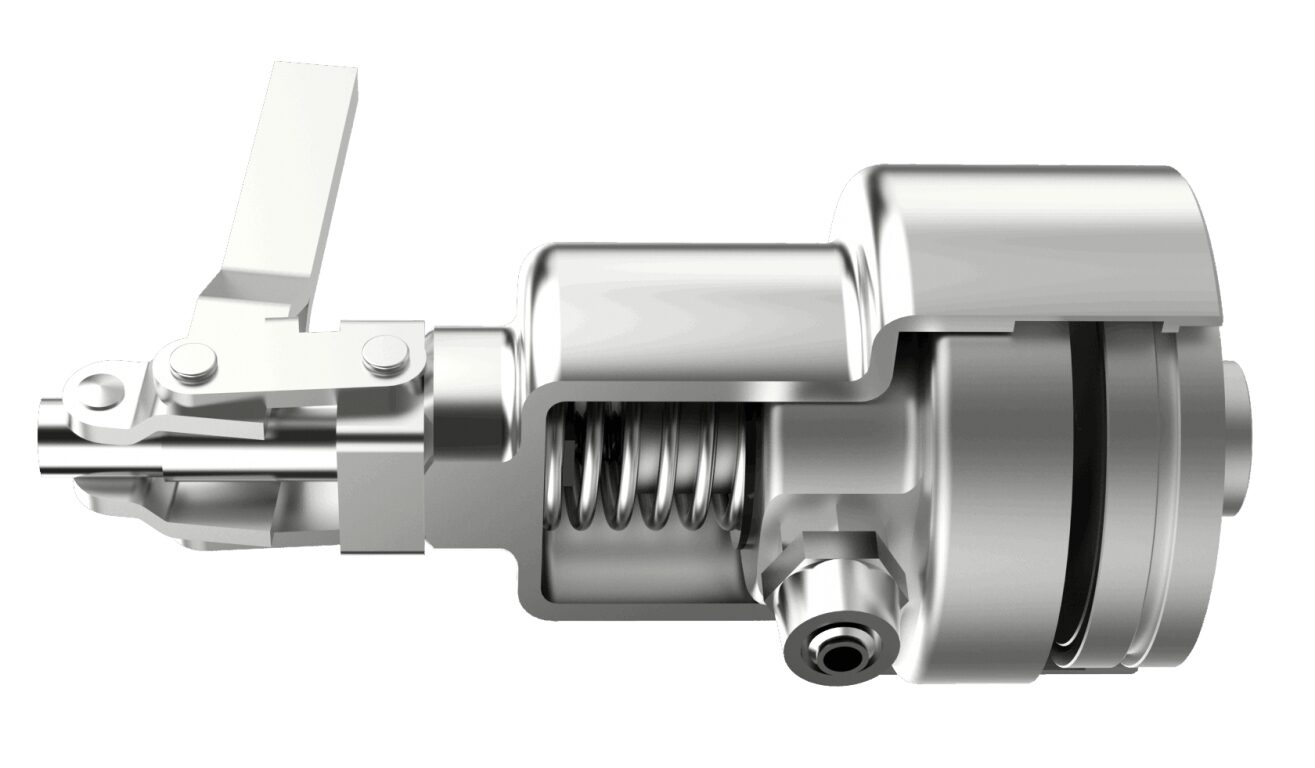
The 4K50 combines a sealing plug and gas-injection path in one assembly. Compared with an improvised chain of separate adapters, this arrangement makes the installation position and inspection sequence easier to standardize and reduces the number of connection points that must be checked.
View the Guheng Energy 4K50 fixture and its position within the company’s tooling range.
Why PBA4K-50D Compatibility Matters
The Valve Model Defines the Contact and Seal
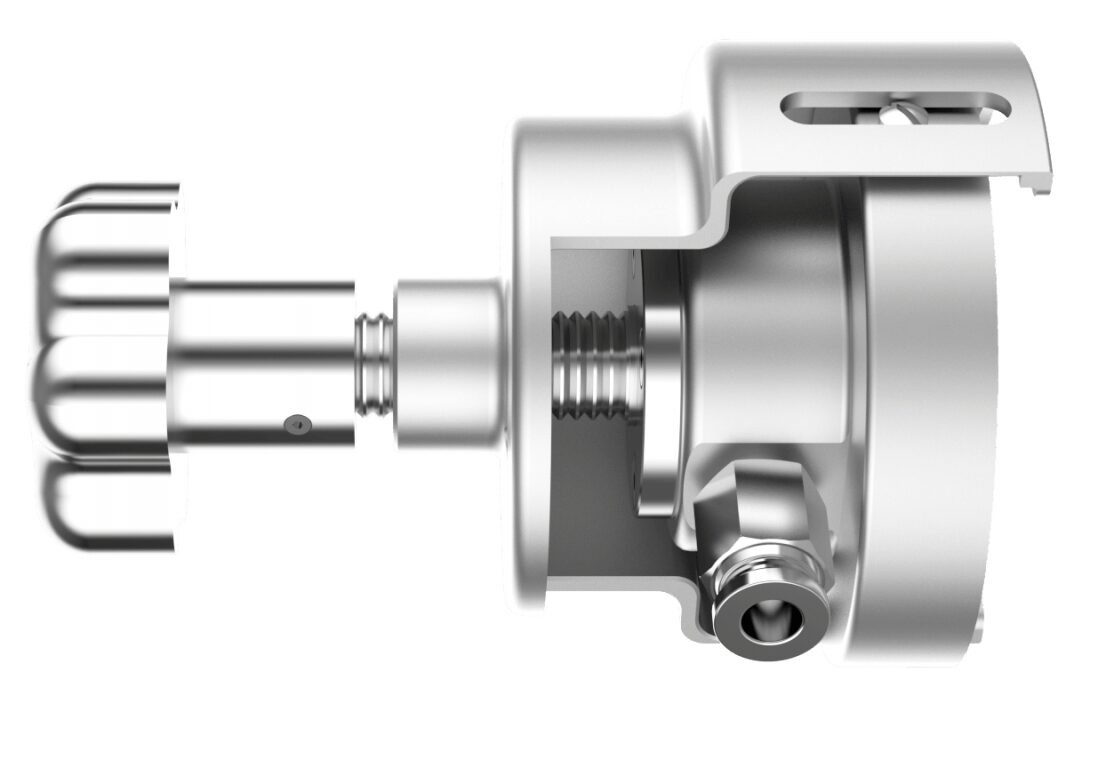
The confirmed application for the 4K50 fixture is the PBA4K-50D vent valve. Before use, technicians should verify the full valve designation, orientation, profile, sealing surface, and surrounding clearance rather than assuming that visually similar vent valves share one interface.
The 8 mm Fitting Connects the Test Circuit
The fixture includes a standard 8 mm tube fitting. The tube outside diameter, tolerance, cut quality, insertion depth, routing, and bend radius should all be checked, and the fitting and tube should be screened for their own leakage before product testing begins.
How the Fixture Fits Into a Battery Pack Leak Test
Check Cleanliness and Position Before Installation
Before connection, inspect the valve surface, fixture contact area, and seal for damage, debris, or contamination, and place the battery pack in its specified test condition. Correct orientation prevents side loading, foreign material, and nearby structures from disturbing the seal.
Review the Fixture After Each Test
After filling, stabilization, and measurement, depressurize the circuit according to the site procedure before removing the fixture. If a result is abnormal, use a reference part or an independent circuit check to rule out the fixture, fitting, and tube before judging the valve.
What Different Applications Should Prioritize
Production Testing Requires Repeatable Positioning
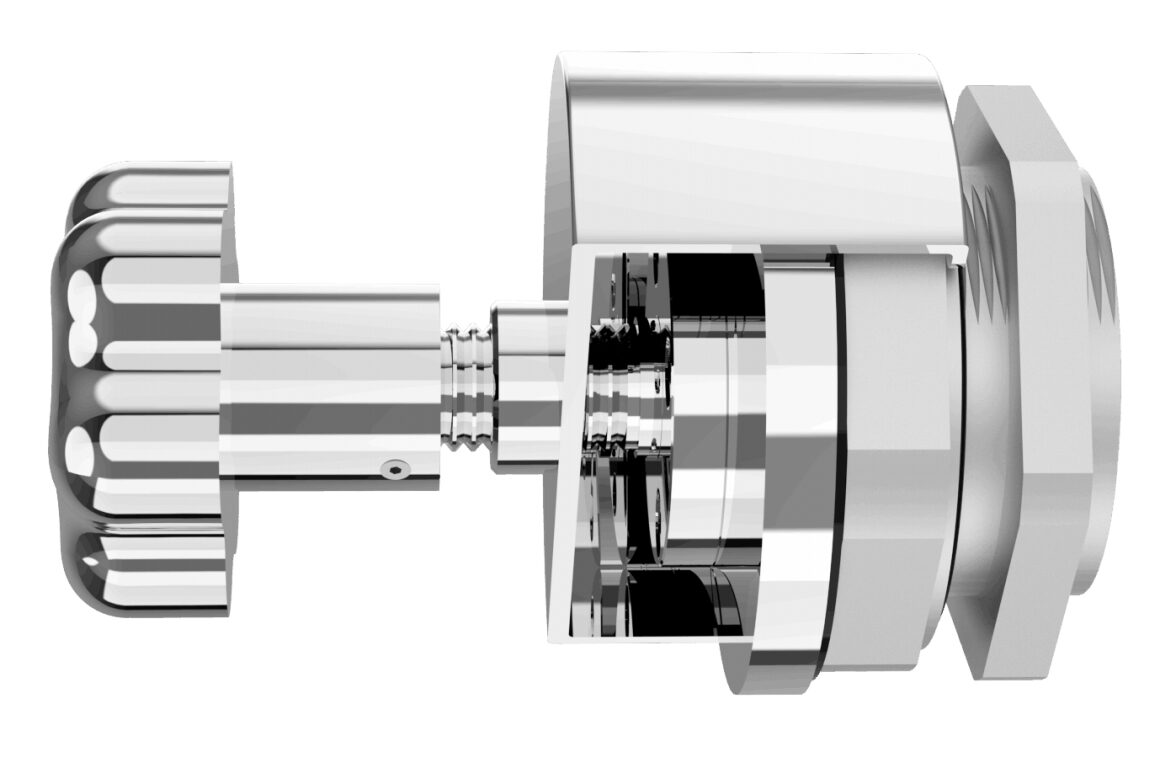
Production and quality stations repeatedly connect the same valve type, so orientation, tube routing, seal inspection, and result-review rules should remain consistent. The 4K50 fixture measures 185 x 68 x 62 mm, which helps engineers verify access space and tube routing when laying out the station.
Explore Guheng Energy tooling and connection products to coordinate the valve interface, leak tester, tube, and work-area requirements.
How to Select a Battery Vent Valve Inflation Fixture
Verify the Valve and Gas Interface First
Selection should confirm the full valve model, installation direction, sealing contact area, available clearance, tube specification, and leak-tester connection. For the 4K50, the essential checks are PBA4K-50D compatibility and the 8 mm gas-line interface, not visual similarity to another valve.
Validate the Connection With a Representative Part
Before routine use, validate installation, inflation, stabilization, measurement, depressurization, and removal with a representative conforming part. Test pressure, duration, and pass-fail limits must come from the component requirements; they cannot be inferred from the fixture dimensions.
Conclusion
The value of a battery vent valve inflation fixture lies in providing a matched, repeatable interface for leak testing. The Guheng Energy 4K50 fixture is configured around the PBA4K-50D valve, with combined sealing and inflation, a metal housing, and an 8 mm fitting that reduce uncertainty from improvised connections.
Contact Guheng Energy to confirm fixture compatibility against your valve model, gas connection, and test process.
FAQ
Q: Can an inflation fixture determine valve airtightness by itself?
A: No. The fixture seals the valve interface and establishes a gas path. Actual measurement still requires a gas source, leak tester, specified pressure, stabilization time, test duration, and acceptance limit. An abnormal result should also trigger checks of the fixture, tube, fitting, and seal.
Q: Which vent valve is compatible with the 4K50 fixture?
A: The confirmed compatible valve is the PBA4K-50D. Valves with a similar appearance may use different locating features, seal surfaces, or dimensions. Always verify the complete designation and validate the interface with a representative part instead of relying on improvised spacers.
Q: What is the benefit of combined sealing and inflation?
A: Combining the plug and gas path in one fixture reduces the number of separate adapters and creates a clearer connection sequence. It supports repeatable setup, but reliable testing still depends on correct positioning, a sound seal, a leak-free tube, and a validated measurement procedure.
Q: Can the 4K50 fixture test vent-valve opening pressure?
A: The confirmed function is battery vent-valve leak testing; opening-pressure measurement is not specified. Such a test would require a defined pressure-control method, sensor range, safety boundary, and procedure. The 4K50 leak-test fixture should not be treated as an opening-pressure tester without separate confirmation.