

A battery pack final inspection tester standardizes EV service checks by organizing the critical verification work after repair into a repeatable sequence. Standardization does not mean applying one parameter set to every pack; it means that object identification, test-plan matching, execution, and result records all follow defined rules.
Why a Battery Pack Final Inspection Tester Fits Service Workflows
After repair, technicians may need to recheck the high-voltage circuit, insulation, interlock, relays, BMS communication, and thermal management. When these checks are spread across separate tools and records, a service team can miss an item, leave a report incomplete, or reach inconsistent conclusions at different locations.
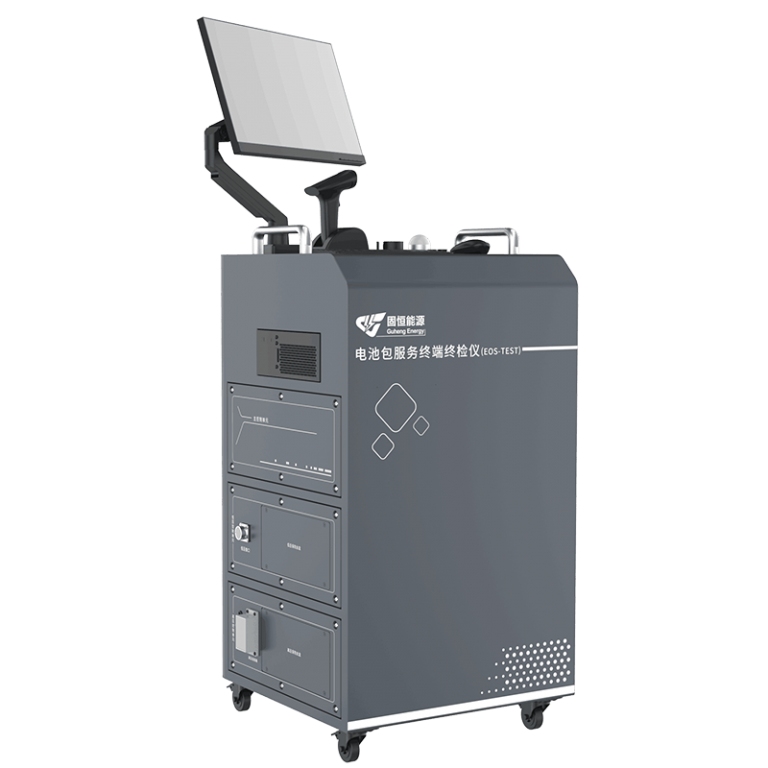
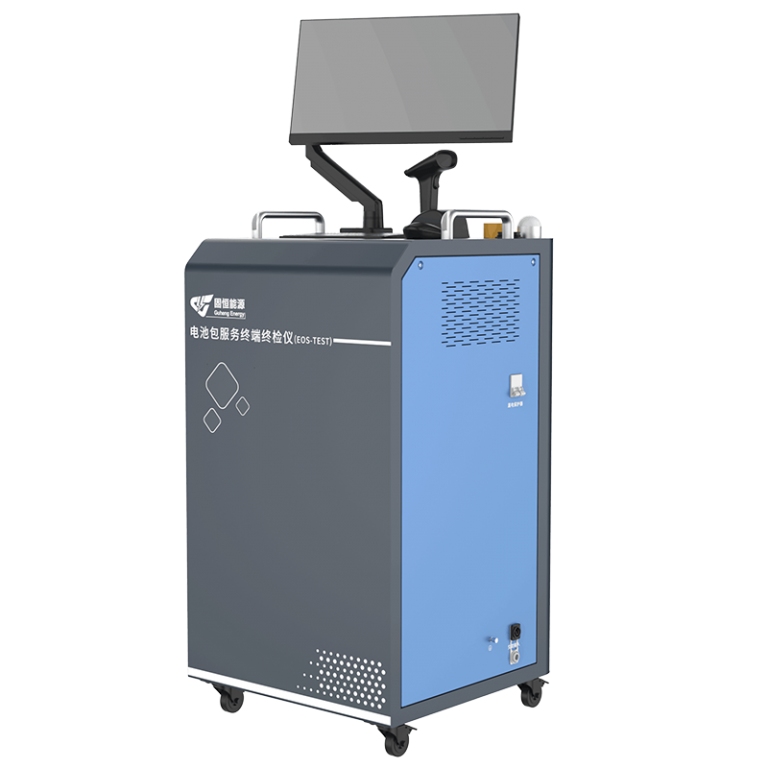
Guheng Energy’s EOS-TEST is designed for battery-pack service-terminal inspection. It supports battery-pack SN entry and wireless scanning, with automatic matching of test plans. That creates a link between the object and its intended process before the first check begins.
From Object Identification to Test-Plan Execution
SN Information Gives the Process a Clear Start
A service centre can see several battery platforms with different connector definitions, communications, and inspection requirements. SN entry or scanning helps select the intended plan, reducing manual file searching and parameter-selection errors while linking the final record to a specific battery pack.
Matched Plans Still Need Version Control
Automatic matching does not remove the need for plan management. Teams should maintain the harnesses, communication configuration, criteria, and versions for each battery type. When a platform or process changes, the linked plan should change with it instead of leaving an outdated procedure in use.
Build a Closed Check Around Critical Functions
High-Voltage Safety and Circuit State
EOS-TEST supports high-voltage-port short-circuit, insulation, and interlock tests, together with high-voltage relay function tests. These functions support checks of basic circuit safety, insulation-related state, and control execution. They should be organized as part of the service sequence, not added only after an obvious fault appears.
Low-voltage power-consumption testing and fast- and slow-charging signal simulation and detection extend the functional review. Results need to be retained with the object requirements, test conditions, and exception notes so that a later retest or handover can be understood.
Why BMS and Thermal Information Belong Together
Final inspection should not stop at whether an external connector is live. EOS-TEST can read and assess BMS self-check status, balancing status, insulation resistance, cell voltage, SOC, pack voltage, current, temperature, and fault status, and it supports multi-channel CAN communication testing.
The benefit is context. Temperature should be considered alongside thermal-management testing; cell voltage alongside balancing state; and fault status alongside communication results. This avoids making a decision from one alarm code or one continuity check and gives the next reviewer a more complete path of evidence.
The Guheng Energy maintenance category provides the relevant English-site path for service equipment. The detection product category can be used to consider related test functions when planning a more complete service station.
Use Report Management to Support Consistent Service
EOS-TEST supports local data storage, report generation, and printing. Appearance photographs and air-tightness-test data can also be added to the record. Keeping these elements together reduces the chance that a handover contains only a pass or fail statement without the inspection context behind it.
The tester also supports user-permission management. A service centre should align permissions with responsibility, such as who can change plans, start a test, assess an exception, or export a report. Those boundaries help a standard procedure remain stable when staff or shifts change.
Use in Service and End-of-Line Applications
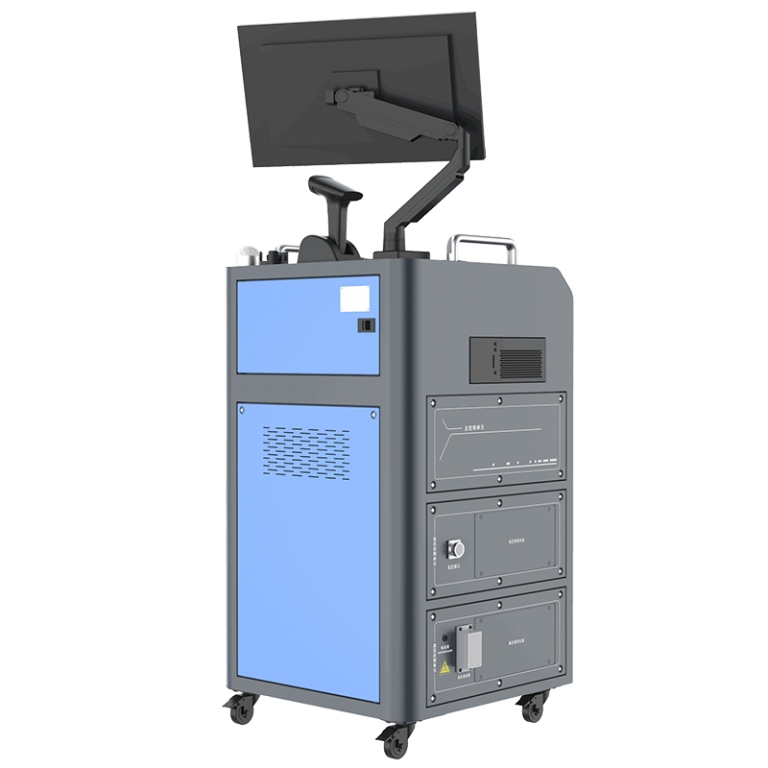
In after-sales work, final inspection focuses on verifying a repaired pack against the required process and preserving the result. EOS-TEST can also be used for end-of-line checks on newly assembled battery packs, where it can carry out functional testing and generate reports. Actual configuration should reflect line cycle time, interfaces, and data-exchange requirements.
Whether used in a service centre or at the end of a line, equipment should be jointly verified with representative packs, the actual test plan, and the needed report fields. Validate the final solution against real pack interfaces and work conditions.
Conclusion
The main value of a battery pack final inspection tester is to place object identity, plan matching, high-voltage safety, BMS data, thermal management, and reporting in one traceable workflow. Guheng Energy EOS-TEST provides an integrated basis for EV service checks; combined with managed plans and permissions, it can make review results more consistent. Explore Guheng Energy maintenance solutions to create a clearer inspection handover standard for repaired battery packs.
FAQ
Q: Is a battery pack final inspection tester only for EV after-sales work
A: No. EOS-TEST can support EV service-terminal inspection and functional inspection of newly assembled battery packs. Service applications usually emphasize matched plans, retests, and report handover, while end-of-line applications commonly focus more on cycle time, interface integration, and synchronized result records.
Q: Why should final inspection read BMS information
A: BMS information adds states that are difficult to see from external checks alone, including cell voltage, SOC, temperature, insulation resistance, balancing, and fault status. Combined with high-voltage, interlock, relay, and thermal checks, it helps the review go beyond a single instrument reading or continuity result.
Q: Does automatic test-plan matching remove the need for human confirmation
A: No. Matching reduces selection mistakes, but technicians should still confirm the SN, connectors, harnesses, and plan version against the test object. A pack that has been modified, reworked, or repaired in an unusual way may require additional checks or a dedicated plan under the company’s procedure.
Q: What should a final-inspection report retain
A: At minimum, retain part identity, test-plan version, test time, key results, exception notes, and disposition. EOS-TEST can include appearance photographs and air-tightness data. The final field set should also match service handover, internal quality management, and the query needs of the relevant data platform.