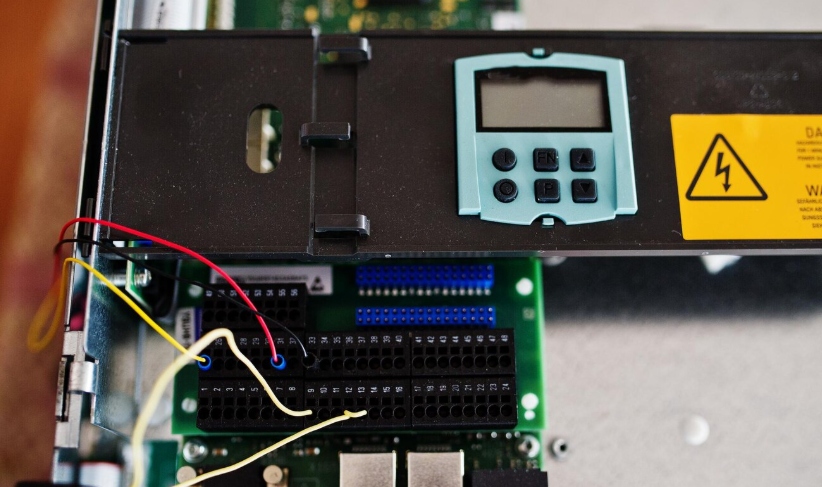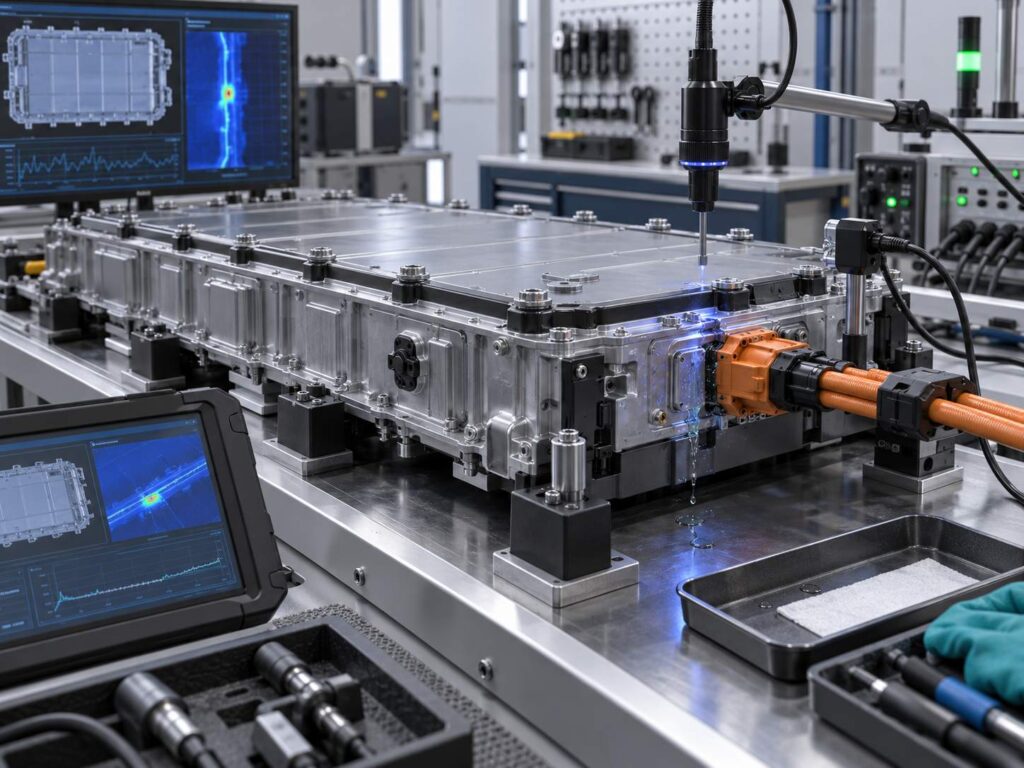

The core value of a single-cell battery maintenance instrument lies in refining battery pack maintenance from the overall pack level down to the individual cell level. When selecting a model, the type of battery being tested, the charging/discharging task, the capacity measurement target, the SOC adjustment method, and the safe cut-off conditions should be confirmed first. Guheng Energy‘s PBM series is primarily designed for on-site maintenance tasks such as single-cell charging/discharging, capacity measurement, and SOC adjustment.
Why do battery pack problems often stem from differences in individual cells?
How do inconsistencies in individual cell voltage and capacity affect battery packs?

A battery pack is composed of multiple cells connected in series or parallel. If a cell has a low capacity, high internal resistance, or a faster voltage change, the entire pack may enter a protection state prematurely. In this case, the reduced range exhibited by the vehicle or energy storage device does not necessarily mean that all cells need to be replaced. Identifying the source of the difference first can reduce unnecessary disassembly work.
Impact of increased pressure differential on maintenance work
During charging and discharging, the weakest cells may reach their upper or lower limits earlier, while other cells still have usable capacity. As a result, the effective capacity of the entire battery pack is limited by the weakest cell. A cell maintenance device, through independent charge/discharge control and real-time sampling, allows technicians to pinpoint the problem to the specific cell and then decide whether to perform equalization, capacity retesting, or further repairs.
What tasks can a single-cell battery maintainer perform?
Capacity Measurement and SOC Adjustment
Guheng Energy’s PBM series supports charging, discharging, capacity measurement, and SOC adjustment of individual lithium-ion batteries, which can be used to analyze performance differences between individual cells. By comparing capacity data, it can be determined whether a particular cell significantly deviates from the group of cells; SOC adjustment facilitates adjusting the cell to the state required for subsequent testing, matching, or assembly.
Real-time tracking and multiple cutoffs
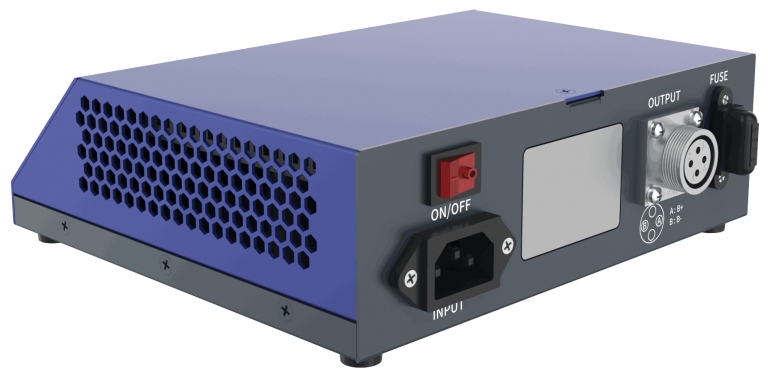
The power circuit and voltage sampling are connected independently, enabling continuous monitoring of individual cell voltage changes during charging and discharging. This helps reduce operational risks caused by overcharging, over-discharging, and improper parameter settings. The device can also set cutoff conditions based on voltage, capacity, or time, and combined with multiple protection and redundancy designs, reduces the risks to the battery and equipment caused by overcharging, over-discharging, and misoperation.
The specific product parameters of the Guheng Energy PBM-SW Single Cell Battery Maintenance Instrument.
Portable devices are suitable for which field scenarios?
New energy vehicle after-sales service
When faced with battery pack voltage differences or capacity inconsistencies, repair stations often need to first determine whether the problem lies with a single battery cell or the system control system. Portable cell maintenance equipment can directly assist repair stations in conducting targeted charge-discharge tests and data monitoring, helping technicians gradually determine the source of the anomaly and thus avoiding prematurely concluding that the entire pack needs to be replaced based solely on the battery pack’s terminal voltage.
Energy storage system and testing station
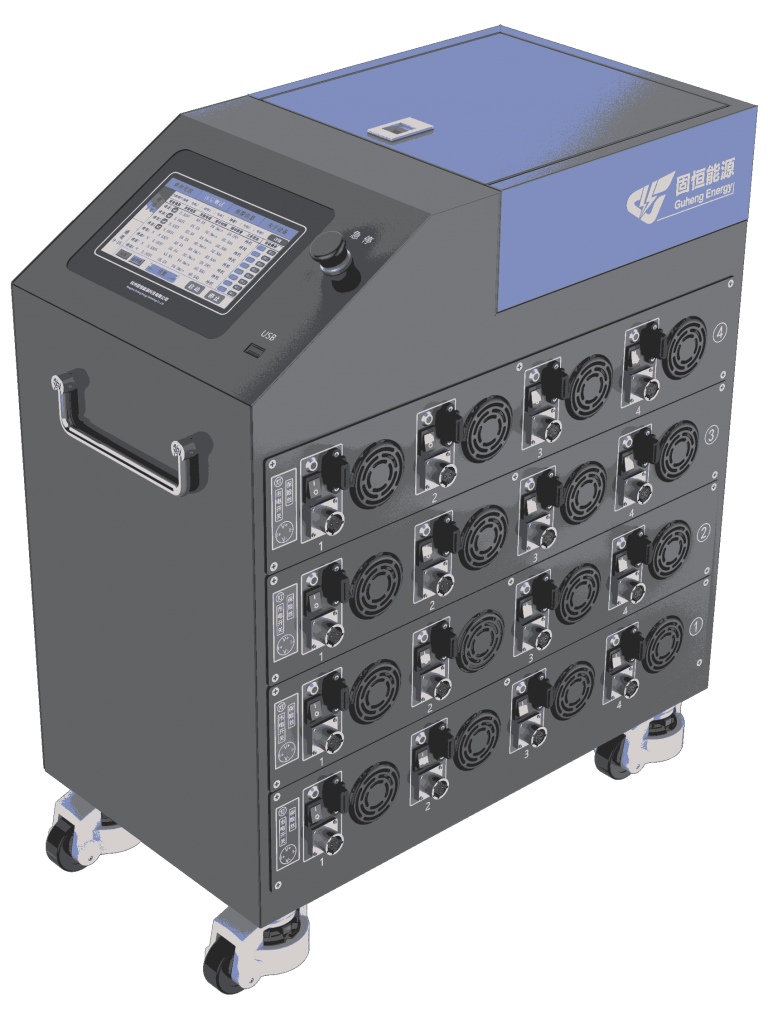
After long-term operation, consistency changes in energy storage battery packs will gradually become more pronounced. Individual cell maintenance instruments are suitable for spot checks, capacity retesting, and handling of problematic cells, helping maintenance personnel identify consistency changes earlier and arrange capacity retesting, equalization, or further repairs accordingly. However, maintenance cycles and judgment thresholds should still be set according to battery technical documents and on-site procedures.
For different numbers of individual units and maintenance stations, the selection can be further combined with the channel configuration, output range and field connection method of the PBM-SP series.
What should you pay attention to when choosing a Guheng Energy unit maintenance device?
First, match the output channel and the object under test.
Different types of individual battery cells differ in voltage platform, capacity, and connection method; therefore, selection should not be based solely on the equipment series name. The number of individual cells requiring maintenance, parallel tasks, wiring harness interfaces, and typical work steps should be clearly defined first, and then the voltage and current output range and number of channels of the corresponding model should be matched.
Incorporate security and data logging into the process
For maintenance and testing scenarios, in addition to completing charging and discharging tasks, the equipment should also be able to record voltage changes, cumulative capacity, and test cutoff status. The PBM-SW and PBM-SP series provide process control support for single-cell charging and discharging, capacity retesting, and SOC adjustment through real-time parameter monitoring and multiple cutoff protections, and also facilitate the inclusion of relevant data in after-sales maintenance and energy storage operation and maintenance records.
Conclusion
The core of single-cell maintenance is to further pinpoint capacity, SOC, and voltage consistency issues to the individual cell level, providing more specific data for subsequent equalization, capacity retesting, and repair assessment. For scenarios requiring improved repair assessment efficiency, reduced unnecessary replacements, and extended battery pack lifespan, Guheng Energy’s PBM-SW and PBM-SP series offer portable, controllable, and field-oriented maintenance solutions.
To learn about the cell maintenance solutions suitable for your battery type, visit the Guheng Energy Product Center.
FAQ
Q: What is the difference between a single-cell battery maintainer and a battery pack maintainer?
A: Individual cell maintenance analyzers are used for charging and discharging individual cells, measuring capacity, and adjusting SOC, and are suitable for identifying differential voltage issues; battery pack maintenance analyzers are designed for entire packs or modules and typically require higher voltage and power. The choice between the two should be based on the object being tested and the testing procedure.
Q: Can individual cell maintenance directly extend the life of the entire battery pack?
A: Individual cell maintenance cannot replace battery design, thermal management, or BMS control, but it can identify cells with low capacity and voltage deviations, and improve consistency through targeted charge and discharge. The effect depends on the battery condition and maintenance method, and a fixed improvement rate cannot be guaranteed.
Q: How do I determine if a single battery cell needs capacity testing?
A: When the battery pack exhibits significant voltage drop, reduced range, premature shutdown, or abnormal individual cell voltage, capacity testing can be arranged. The cell being tested should be compared with samples from the same group, and the temperature, shutdown conditions, and cumulative charge should be recorded to avoid judging based on a single static voltage reading.
Q: How should I choose between the PBM-SW and PBM-SP series?
A: PBM-SW and PBM-SP include multiple models. Voltage, current, and channel configuration need to be confirmed according to the specific product. When selecting a model, the unit type, quantity, target process, harness interface, and on-site power conditions should be clearly defined before matching the complete technical parameters.