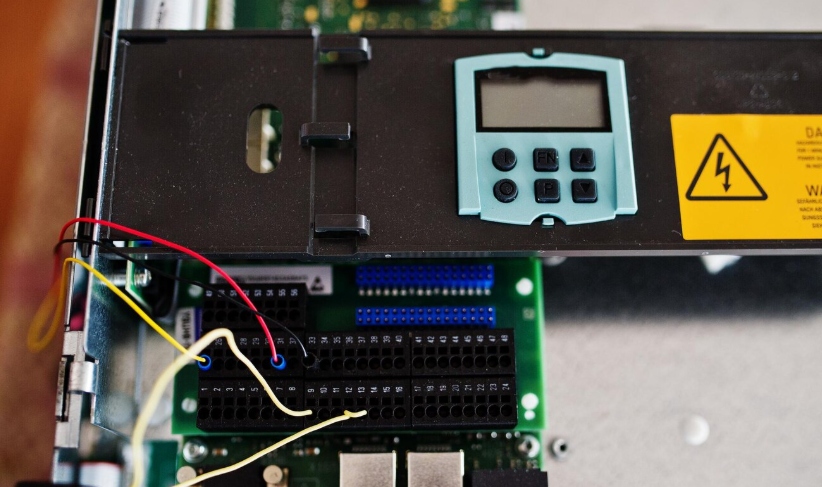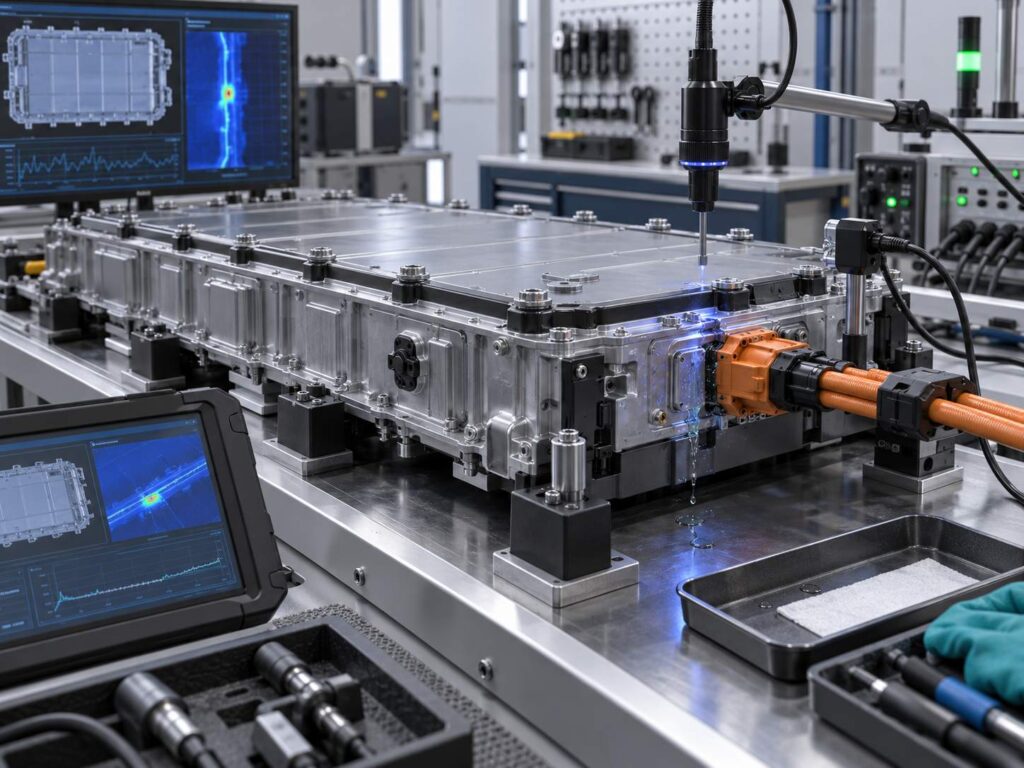

In the long-term operation of energy storage systems, inconsistent battery capacity and excessive individual cell voltage differences are common pain points. Capacity deviations directly reduce the overall efficiency of the system, accelerate cell degradation, and in severe cases, lead to overcharging, over-discharging, and thermal runaway, increasing maintenance costs and safety risks. Accurate battery capacity testing and the selection of appropriate battery capacity detection methods are core aspects of ensuring the safety, stability, and extended lifespan of energy storage systems.
Guheng Energy has been deeply involved in the field of new energy testing and maintenance, focusing on the research and development of battery maintenance and testing equipment. It provides stable and reliable testing solutions for energy storage and power battery fields, helping brand owners to efficiently manage battery status.

Key Pain Points and Selection Criteria for Battery Capacity Testing
Core pain points of energy storage systems
- Excessive battery pack voltage drop caused a rapid decline in consistency, resulting in a significant reduction in usable system capacity.
- Traditional equipment lacks precision, resulting in distorted battery capacity test data and leading to misjudgments and mismatches.
- The lack of efficientbattery voltage acquisition instruments results in delayed data collection for individual cells, hindering real-time early warning.
- CTP (Cell-to-Pack) battery packs are difficult to test, conventional equipment is hard to adapt, and maintenance efficiency is low.
- Without adequate protection during testing, battery cells can be easily damaged, increasing safety risks.
Three core elements for selecting a capacity testing machine
- The accuracy of voltage and current measurements directly determines the reliability of battery capacity testing methods . High-precision equipment can accurately identify weak cells, providing a basis for battery pairing and maintenance.
- The protection mechanism includes protection against reverse connection, short circuit, overcurrent, overtemperature, and individual cell anomalies, covering risks throughout the entire testing process.
- It is adaptable to different voltage platforms and CTP/CTC structures, supports data storage, export and report generation, and is suitable for large-scale operation and maintenance.
Comparison of mainstream battery capacity testing methods
- Discharge test method: accurate results, suitable for factory and after-sales calibration, but time-consuming.
- Internal resistance + voltage combined method: fast, suitable for online screening, requires combination with battery voltage acquisition instrument
- Cyclic life testing: verifies long-term reliability and is often used in research and development and quality control.
Guheng Energy’s equipment integrates multiple methods, balancing accuracy and efficiency, to meet the battery capacity testing needs of all scenarios, including R&D, production, and operation and maintenance.
Guheng Energy’s Core Testing Equipment and Solutions
GBS 250A Battery Pack Charge/Discharge Tester
- Voltage 30V–1000V, maximum ±400A, 250KW, dual-channel design
- Energy feedback to the grid, low ripple, high-precision voltage and current control
- battery capacity testing including capacity, cycle life, operating condition simulation, and DCR.
- Offline testing and verification of power battery packs, modules, and battery clusters
PBM MW D 60/08 Portable 48V Mild Hybrid Battery Pack Maintenance Instrument
- Specifically developed for 48V micro-hybrid lithium batteries, compatible with 12V lead-acid battery charging/discharging.
- 5-inch touchscreen, supports CAN communication and fault diagnosis.
- USB flash drive for data storage, multi-level protection to ensure test security.
- Compact size, suitable for on-site battery capacity testing and rapid maintenance.
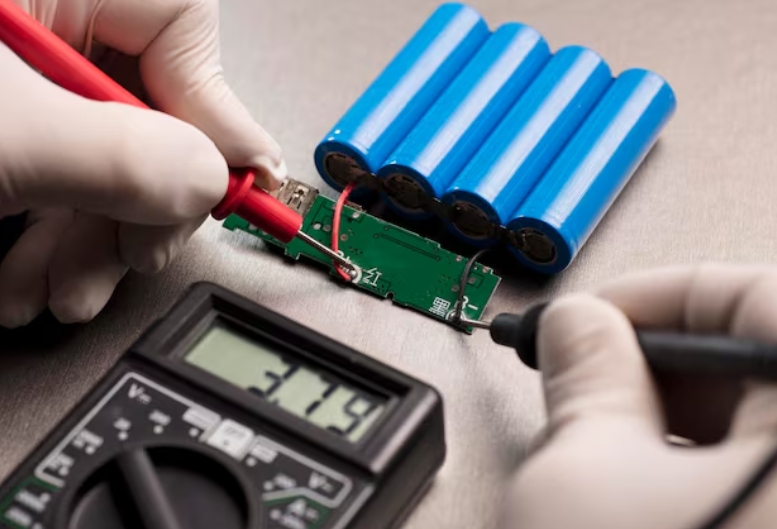
Battery voltage acquisition unit and CTP adapter solution
Our battery voltage acquisition instrument can simultaneously collect individual cell voltage and temperature, and monitor differential voltage in real time, providing data support for battery capacity testing methods . When paired with dedicated CTP testing fixtures and maintenance equipment , it enables rapid, non-disassembly testing, significantly improving the efficiency of CTP battery pack maintenance.
Practical application cases
The battery packs of a certain energy storage power station had poor consistency and a 30% reduction in usable capacity. By using the Guheng GBS 250A and battery voltage acquisition instrument , accurate battery capacity testing and group optimization were completed. The system’s usable capacity was restored by 18%, the voltage difference was controlled within a safe range, and the annual operation and maintenance cost was reduced by 25%.
New energy vehicle manufacturers’ after-sales service outlets are using the PBM MW D 60/08 to quickly complete 48V battery capacity testing and maintenance on-site, reducing the return rate by 40% and significantly improving customer satisfaction.
Selection Summary and CTA
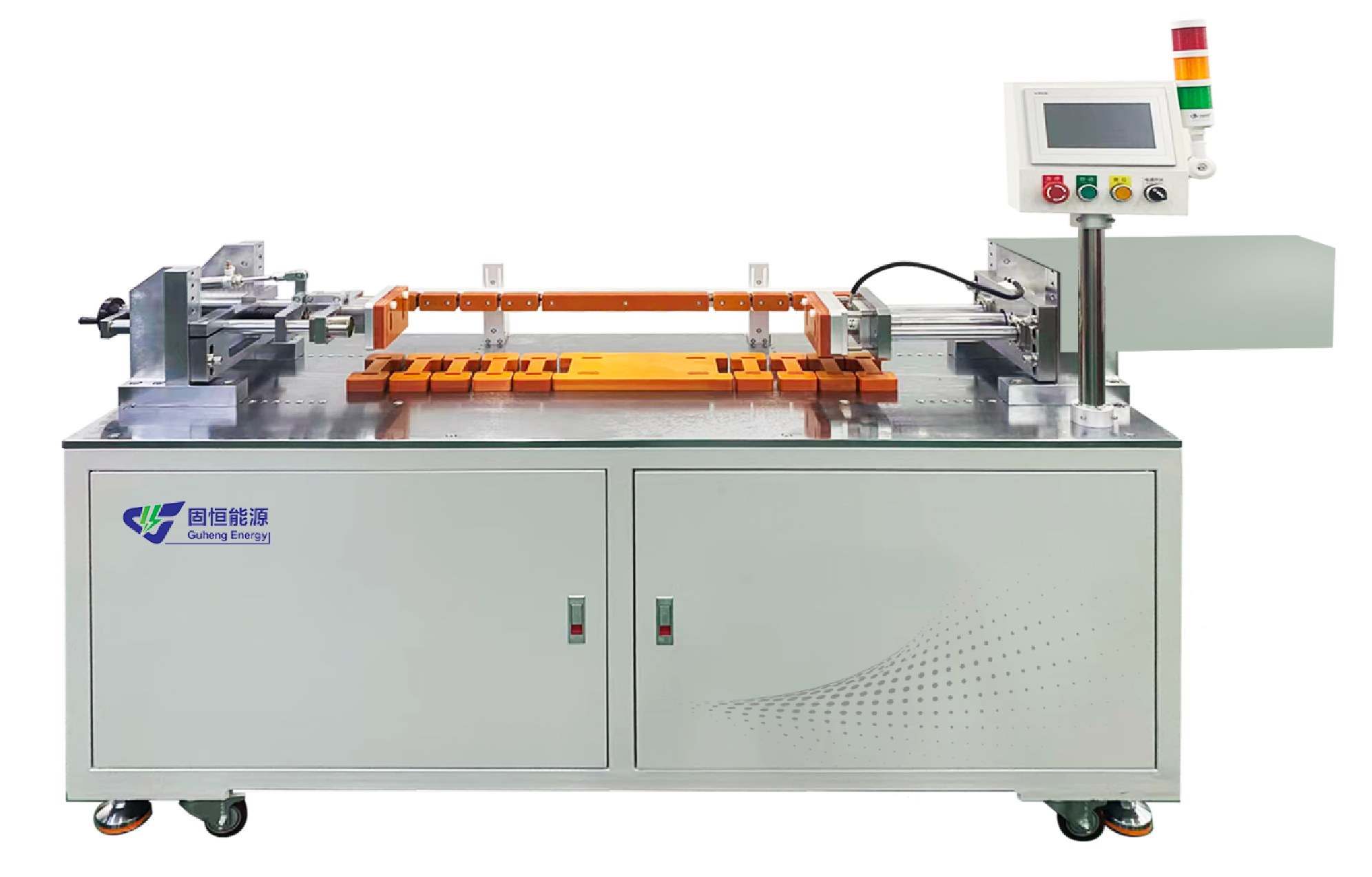
When choosing a battery capacity testing machine, prioritize three key indicators: accuracy, protection, and compatibility. Guheng Energy utilizes high-precision battery capacity testing equipment, mature battery capacity testing methods , professional battery voltage acquisition instruments , and leading technologies. CTP technology provides brand owners with a complete maintenance and testing solution.
For customized solutions or product testing, please contact Guheng Energy. We provide professional technical support and cost-effective equipment selection.
FAQ
Q: How does a battery capacity testing machine ensure pressure differential safety?
A: High-precision data acquisition + real-time early warning + comprehensive protection ensures precise control of differential pressure within a safe range.
Q: Does Guheng equipment support CTP battery pack testing?
A: Yes, it is supported. It is equipped with dedicated tooling and algorithms, and is adapted for efficient detection of CTP structures.
Q: Can the battery capacity test data be exported?
A: Supports USB flash drive storage, data export, and automatic report generation.
Q: Does the equipment comply with industry certifications?
A: Certified by ISO9001 and CE, ensuring reliable quality.