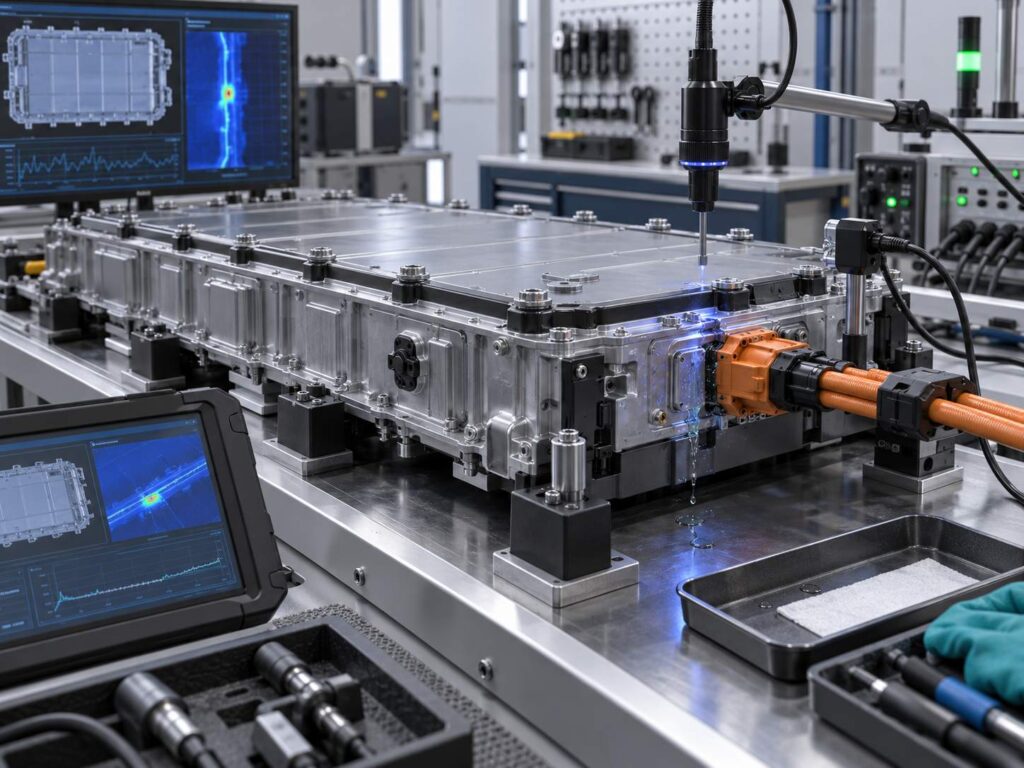

The rapid popularization of new energy vehicles has brought with it increasingly prominent problems: abnormal range degradation, decreased charging efficiency, and unstable power output. The core issue behind these problems lies in the difficulty of accurately assessing the capacity degradation of new energy vehicle batteries. For vehicle manufacturers, service providers, and battery companies, efficiently conducting battery capacity testing has become crucial to after-sales efficiency and customer satisfaction.
Traditional methods relying on experience-based judgment or simple voltage testing are no longer sufficient to meet the complex requirements of modern CTP (Continuous Top-Up) battery packs. Data-driven and standardized assessments are essential, utilizing specialized automotive diagnostic tools and battery maintenance testing equipment. In this field, Guheng Energy focuses on providing new energy service technology solutions and testing equipment to help B-end customers achieve accurate testing and efficient maintenance.

The core challenges of new energy battery capacity testing
Battery degradation cannot be judged intuitively.
The capacity of new energy power batteries cannot be simply reflected by voltage changes. Factors such as battery aging, inconsistencies in individual cells, and differences in thermal management can lead to errors in capacity assessment, affecting the evaluation of overall vehicle performance.
The CTP structure increases the complexity of detection.
Current mainstream CTP (Cell to Pack) technology improves energy density, but reducing module levels increases the difficulty of monitoring individual cells. Traditional detection methods struggle to accurately locate problematic cells.
Insufficient efficiency and standardization in after-sales testing
B-end customers generally face problems such as inconsistent testing processes and untraceable data, resulting in low maintenance efficiency and high costs.
How to achieve accurate battery capacity detection
Data-based capacity assessment methods
Battery capacity testing requires combining multi-dimensional data such as SOC, SOH, internal resistance, and temperature, and obtaining the true capacity status through dynamic charge and discharge testing and algorithm analysis, rather than judging by a single indicator.
Automotive diagnostic tool collaborative testing
By reading BMS data with a professional automotive diagnostic tool, battery pack operating parameters can be obtained, and then cross-validation can be performed using external testing equipment to achieve higher accuracy evaluation.
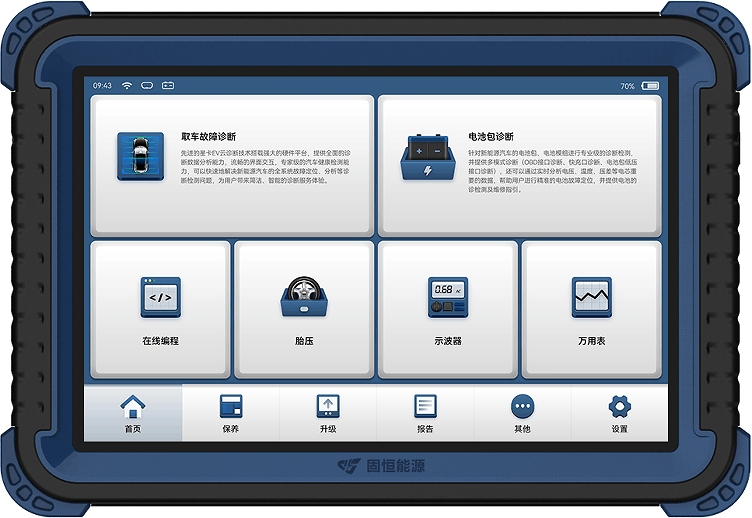
XEVD diagnostic tool for new energy vehicles
can quickly read the status data of new energy power batteries, supports multiple vehicle protocols, and improves testing efficiency.
Charge and discharge testing is a critical step.
Standardized charge-discharge testing is the core of battery capacity testing. Complete charge-discharge curves are used to assess capacity decay and consistency issues.
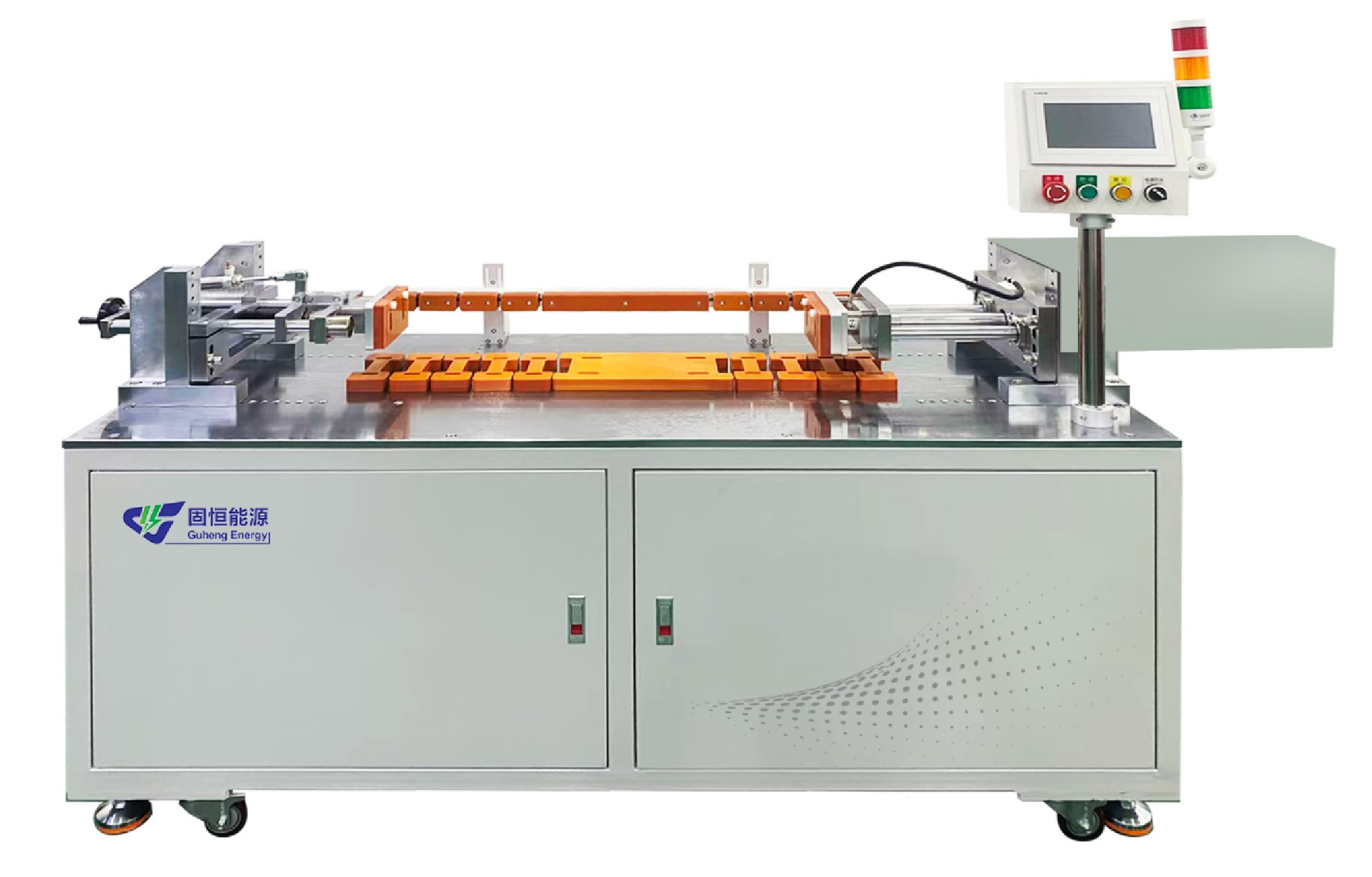
In practical applications, we recommend using
a battery pack charge-discharge tester , which can achieve high-precision battery capacity detection and cycle testing, with stable and reliable data, and is suitable for maintenance and quality inspection scenarios.
Solid Energy’s Testing Solutions
We have developed an integrated solution encompassing “diagnosis, testing, and maintenance” for new energy power battery testing, thereby enhancing our customers’ overall service capabilities.
High-precision battery capacity testing equipment
We offer a variety of battery pack maintenance and testing instruments for different application scenarios:
The portable 48V mild hybrid battery pack maintenance instrument
is suitable for testing mild hybrid systems. It is portable, efficient, and meets the needs of rapid on-site testing.
The battery pack charge/discharge tester
supports high-precision battery capacity testing, making it suitable for in-depth testing by repair shops and battery manufacturers.
XEVD (New Energy Vehicle Diagnostic Tool)
is a professional automotive diagnostic tool that enables data reading and fault analysis.
These devices can be used in conjunction to achieve closed-loop testing from data reading to capacity verification.
Advantages of CTP battery testing
For the CTP structure, we optimized the detection algorithm and interface design to achieve the following:
- More accurate single-unit consistency analysis
- More comprehensive data collection
- Detection efficiency has been significantly improved.
It helps customers maintain high-precision testing capabilities even with complex battery structures.
Typical application scenarios and cases
Case Study 1: Efficiency Improvement of After-Sales Service Center
After a new energy vehicle repair chain introduced our car diagnostic instrument and battery pack charge/discharge tester, it reduced the battery capacity testing time by more than 30% and also lowered the false alarm rate.
Case Study 2: Optimization of Battery Factory Outgoing Testing
Battery manufacturers can deploy battery capacity testing equipment to screen for capacity consistency before shipment, thereby reducing after-sales risks.
Case Study 3: Fleet Operation and Maintenance Management
The fleet uses portable testing equipment to conduct periodic inspections, detect capacity degradation issues in advance, and avoid operational interruptions.
These real-world applications demonstrate that a standardized battery capacity testing system is an important means of enhancing business capabilities.
Why choose Guheng Energy?
As a manufacturer of testing equipment for new energy power batteries, we not only provide products, but also complete solutions:
- Focusing on battery capacity testing, with mature technology
- The product is compatible with multiple vehicle models and has strong compatibility.
- Optimized for CTP technology, leading detection capabilities
- Provide good service support and application solutions
We consistently focus on the needs of our B-end customers, improving testing efficiency and accuracy, and helping them establish standardized maintenance systems.
Conclusion and Action Recommendations
With the development of the new energy market, battery capacity testing has become a core competency. Choosing the right automotive diagnostic tools and testing equipment will directly impact a company’s competitiveness.
If you are looking for reliable testing solutions for new energy power batteries, please contact Guheng Energy for professional support and customized solutions to jointly enhance your testing and service capabilities.
FAQ
Q: Is a charge-discharge test mandatory for battery capacity testing?
A: Yes, a charge-discharge test is the most accurate method.
Q: Can a car diagnostic tool directly measure capacity?
A: No, it needs to be combined with testing equipment.
Q: Is it difficult to test CTP batteries?
A: It’s quite difficult and requires specialized equipment.
Q: Which customers are suitable for Guheng Energy equipment?
A: Suitable for repair shops, battery manufacturers, and fleet operators