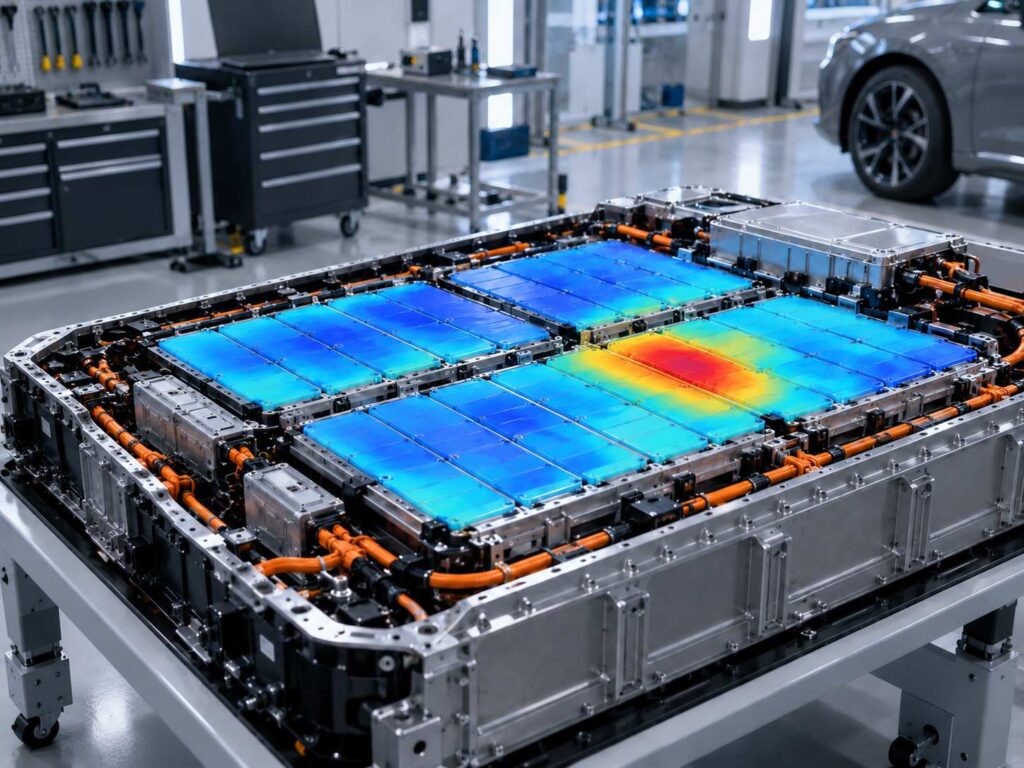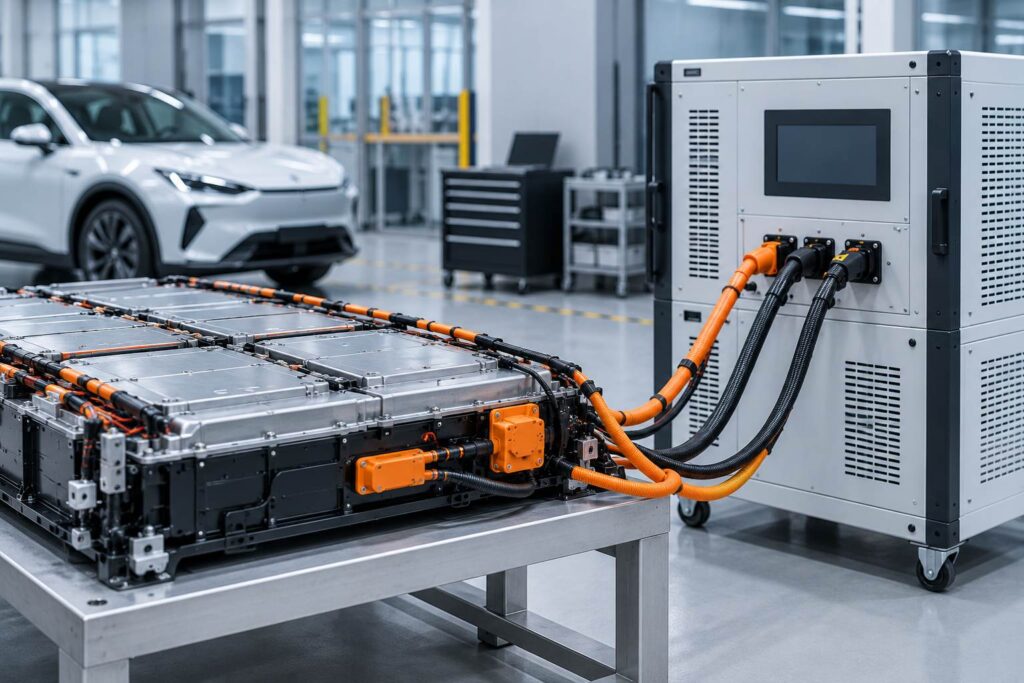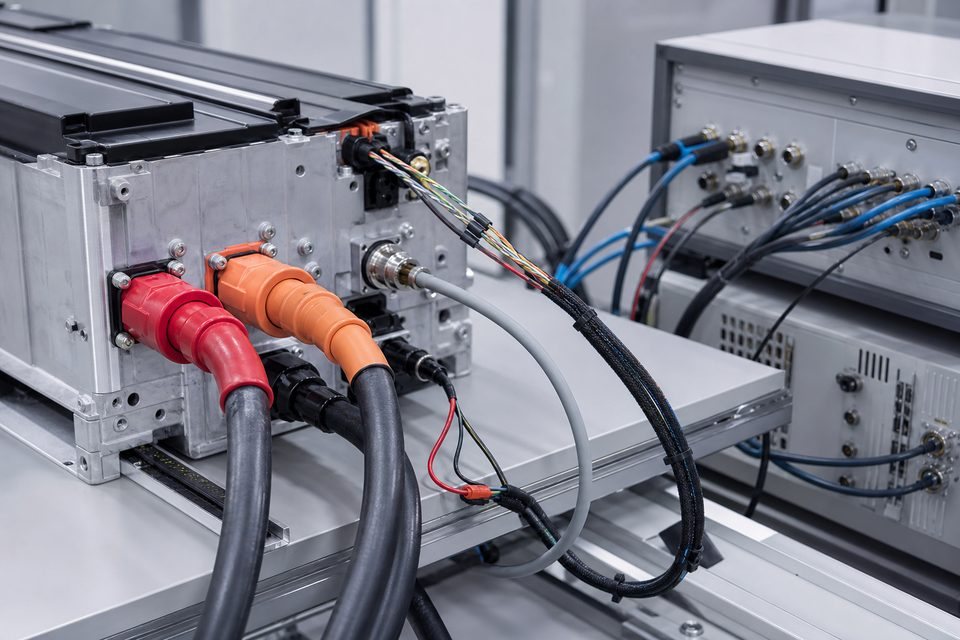

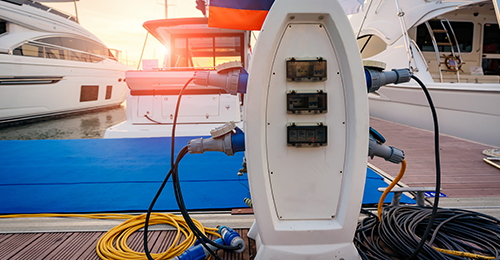
The safety and lifespan of electric marine battery systems heavily depend on the integrity of their encapsulation structure. Airtightness directly determines the stability of the internal environment; poor sealing allows moisture and salt spray to seep in, causing corrosion, short circuits, or decreased insulation performance. During long-term operation, the high humidity and salinity of the marine environment exacerbate these problems; therefore, rigorous verification using airtightness testing equipment is essential during the manufacturing phase of electric marine vessels.
Working Principle and Function of Airtightness Testing Equipment
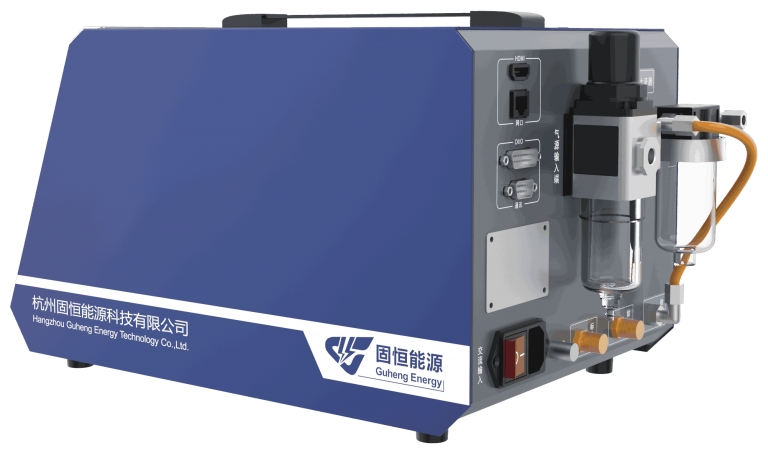
How do airtightness testers achieve accurate leak detection?
Modern airtightness testing instruments typically employ pressure drop or flow rate methods, determining the leakage rate by filling the tested cavity with a set pressure and monitoring pressure changes.
A single test requires five steps: preparation, inflation, pressure holding, testing, and deflation.
This process can be automated and displays leakage values in real time (Pa-level resolution). For example, the QMM-WZ series equipment manufactured by Guheng Energy has a built-in air source, eliminating the need for an external compressor and allowing for independent operation in field or dock conditions.
Furthermore, this product series supports automatic adjustment of the test pressure range (e.g., 0.2–650 kPa) and features temperature compensation, effectively eliminating the impact of environmental fluctuations on measurement results. This non-destructive testing method ensures that the power battery pack maintains its structural integrity during both manufacturing and maintenance phases, preventing stress damage to internal materials.
The Importance of Test Parameters and Data Management
High-precision sensors are key to ensuring result stability, with a resolution of up to 1 Pa and support for multiple parameter presets to adapt to different battery pack volumes. This means engineers can export CSV files via USB for trend analysis, comparing leakage rate changes across different batches of products, thereby optimizing welding processes and encapsulation material selection.
Meanwhile, the equipment from Guheng Energy has a built-in alarm recording module that automatically provides audible and visual alerts when tests exceed the set range and saves the alarm code for traceability. This function is particularly crucial for quality system certification and maritime inspections, serving as data support for compliance reports.
Integrated Application of Airtightness Testing in the Manufacturing Process
How to implement online monitoring during the module assembly phase
On the production line of electric marine propulsion systems, each module undergoes initial inspection of its individual casing before integration to ensure there are no potential leaks. By embedding the QMM series airtightness tester into the MES system, automatic barcode scanning and entry of module numbers can be achieved , along with the generation of test reports . The system also supports barcode scanning for equipment coding information. This data-driven management model not only improves production efficiency but also provides traceable data for subsequent maintenance. When an abnormal trend is detected, the system can automatically lock the corresponding workstation, achieving closed-loop quality control.
Continuous monitoring to reduce maintenance costs
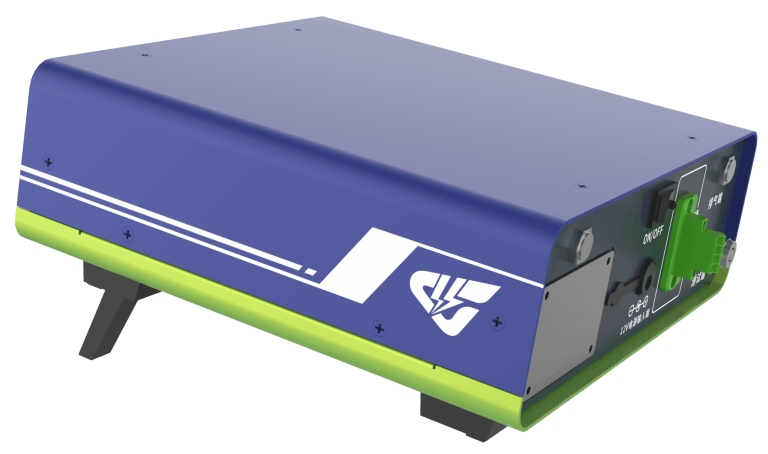
For electric vessels already in service, potential leaks can be detected early through periodic on-site inspections. For example, using the QMM-WZ-C–C0 portable device , rapid pressure stabilization and leak assessment can be achieved simply by connecting the piping, without disassembling the entire package, significantly reducing downtime. Its built-in DC 12V power supply interface allows direct driving by the ship’s onboard systems, making it ideal for fleet-level maintenance scenarios and enabling an intelligent maintenance strategy of “diagnosing while operating.”
The Role of Airtightness Testing in Health Assessment and Safety Assurance
Assessing aging status through leakage trends
Over time, microcracks may form in the battery casing material due to thermal expansion and contraction or vibration. By comparing data from multiple consecutive cycles, modules with gradually increasing leakage rates can be identified, thus inferring their degree of mechanical fatigue. This predictive maintenance method is more economical than traditional periodic replacement and aligns with the development direction of green shipping.
Furthermore, by combining data analysis with the BMS system, the relationship between increased internal humidity and capacity decay can be further correlated, enabling the construction of a multi-dimensional health assessment model.
Ensure operational and storage safety meets standard requirements
Maritime safety regulations require that the power battery compartment be kept under positive pressure or completely sealed to prevent the accumulation of flammable gases and the risk of explosion. Therefore, the integrity of the casing should be verified using professional airtightness testing equipment before each maintenance or long-term storage. It is strictly forbidden to connect the compressor gas source to the standard or testing terminals. Please double-check before turning on the input gas source; connecting high-pressure input gas to the standard or testing terminals will directly damage the internal sensors.
Future-oriented Technological Development Directions
Sensor and algorithm innovations drive intelligent upgrades
With the development of AI algorithms, next-generation airtightness testing equipment is gradually achieving self-learning capabilities, automatically adjusting thresholds by analyzing historical curves to improve accuracy. Simultaneously, high-resolution sensors can identify sub-Pa level micro-leakage, providing technical support for high-safety applications such as submarines and electric ferries. Guheng Energy plans to incorporate cloud data synchronization into its future products, enabling remote experts to monitor the global fleet status in real time and achieve predictive maintenance closed-loop management.
Structural reinforcement design for marine environments
To cope with vibration and salt spray corrosion, the new equipment adopts all-metal rigid connection piping and anti-corrosion coating, and optimizes heat dissipation channels to ensure stable operation over long periods. These improvements make the QMM series suitable not only for shipyard laboratories, but also for deck operations or port field testing, providing solid technical support for marine new energy equipment.
Conclusion
From manufacturing to operation and maintenance, airtightness testers have become an indispensable tool for assessing the health status of electric ship batteries. Guheng Energy, with its independently developed QMM series products, combines high-precision sensing technology with intelligent control to provide the industry with reliable, safe, and internationally compliant solutions . These devices help companies reduce potential failure risks, improve production consistency, and drive green shipping towards greater efficiency and intelligence.
FAQ
Q: Why is the airtightness testing equipment of Guheng Energy suitable for electric ship batteries?
A: Guheng Energy’s QMM series is designed specifically for new energy scenarios, featuring a wide pressure range (0.2–650 KPa) and vibration resistance, perfectly meeting the needs for waterproofing, corrosion resistance, and high-precision measurement in marine environments.
Q: How can I avoid damaging the sensor when using an airtightness tester?
A: Before operation, ensure that the input air pressure does not exceed the specified value and strictly follow the instructions for connecting the interface; as stated in the Guheng Energy manual, incorrect high-pressure connection will cause permanent damage to the sensor.
Q: How often should the airtightness of electric marine batteries be checked?
A: It is recommended to conduct a comprehensive inspection after each major overhaul or 1000 hours of sailing; if in a high humidity or high salt spray area, the interval should be shortened to six months.
Q: Can the airtightness testing equipment be integrated with the BMS system?
A: Some models from Guheng Energy support the CAN communication interface, which can upload test results to the BMS to achieve a comprehensive assessment of the overall health status of the package.